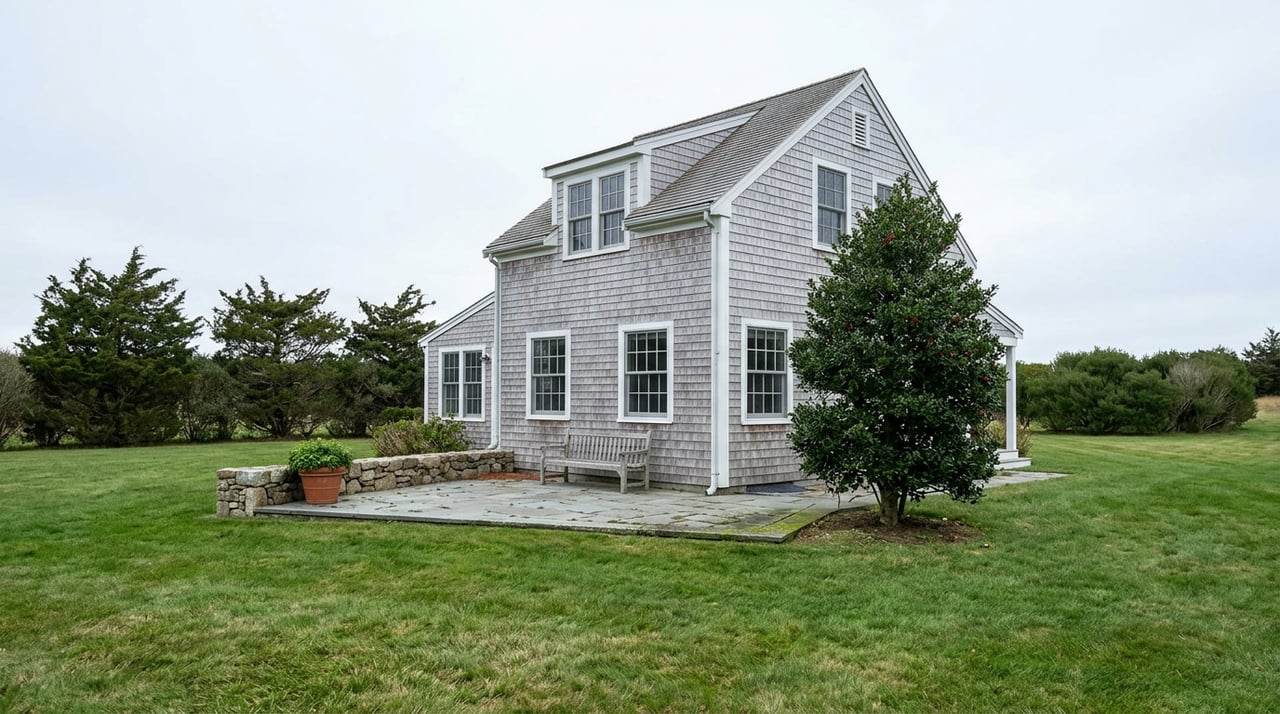
Wondering how to sell a historic Concord home without losing the details that make it special? If you own an older property here, you are balancing more than timing and price. You are also thinking about preservation, approvals, presentation, and how to tell your home’s story well. This guide will help you understand what to check, what to improve, and how to position your home with care and confidence. Let’s dive in.
Why historic homes sell differently in Concord
Concord is not just a high-value market. It is also a town where history, landscape, and architecture are treated as part of the community’s identity. Public market trackers recently placed the median sale price around $1.3 million and the median listing price near $1.99 million, which makes thoughtful preparation especially important.
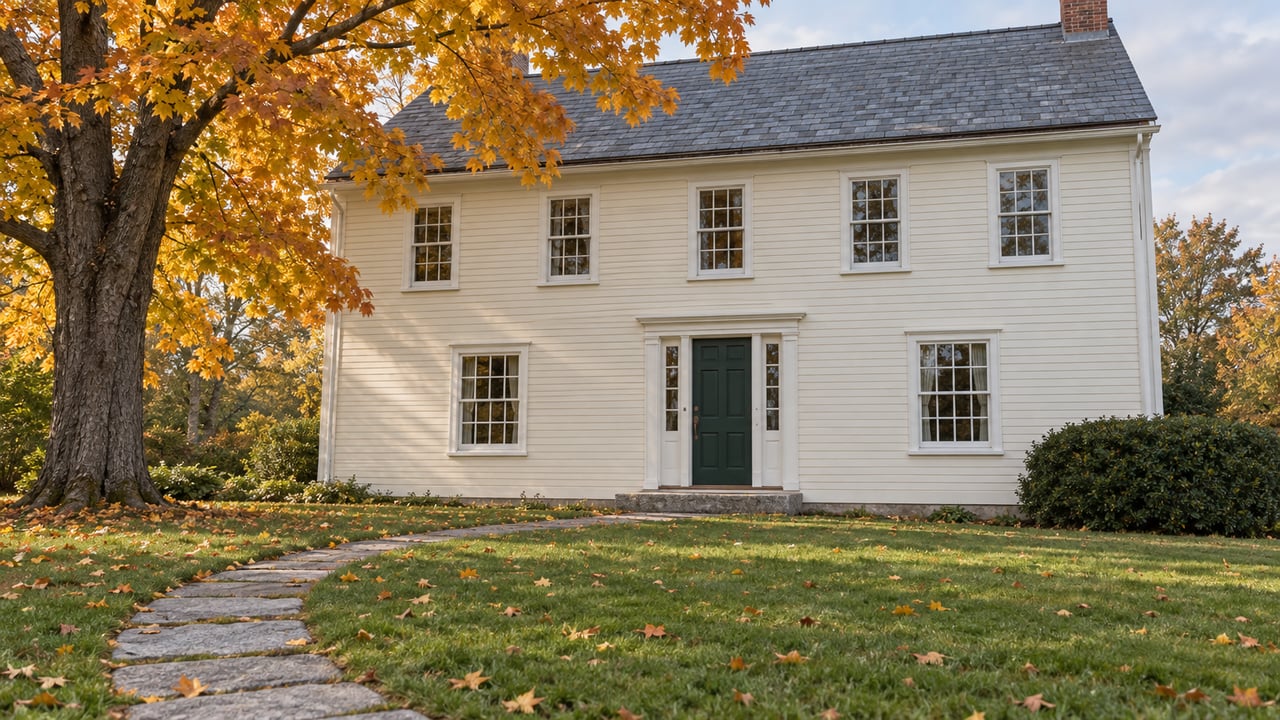
Historic homes stand apart because buyers are often responding to more than square footage. Original materials, architectural details, landscape setting, and documented history can all shape how a property is perceived. In Concord, those elements are not side notes. They are often central to value.
The town’s preservation framework reflects that reality. Concord’s Historic Districts Commission works within six local historic districts and focuses on protecting places and buildings of historic or literary significance. Those districts are American Mile, Barrett Farm, Church Street, Hubbardville, Main Street, and Monument Square/North Bridge.
Check district status before making changes
Before you repaint, replace, remove, or rebuild anything visible from the outside, confirm whether your home sits in one of Concord’s local historic districts. That single step can shape your timeline, budget, and pre-list strategy. It can also help you avoid work that may need review or revision.
Under Massachusetts law, if your property is in a local historic district, commission approval is required before construction or alteration affecting exterior architectural features can move forward. Concord’s guidance also makes clear that no building or demolition permit can be issued until the proper certificate has been issued.
That matters because the review is detailed. The Historic Districts Commission may consider historical value, design, materials, color, size, massing, shape, landscaping, and the relationship to neighboring buildings. Approval is not based on privacy, safety, or convenience alone.
It is also important not to assume that an older change sets a permanent example. Concord notes that a project approved years ago is not automatically approvable today. If you are preparing your home for sale, fresh verification is the safer path.
Know what counts as maintenance
Many sellers assume a simple refresh is always straightforward. With a historic Concord home, the line between maintenance and alteration matters. Interior changes are generally not reviewed, and ordinary maintenance and repair are typically exempt.
But replacement work is treated differently. If you are changing color, materials, design, or size, that is generally not considered ordinary maintenance. A new front door, replacement windows, a different roof color, or updated hardscaping may require a closer look.
This is one reason historic-home preparation benefits from a slower, more deliberate plan. What looks like a cosmetic improvement in another market may carry a different review standard here. In Concord, the exterior character of the home and its setting often matter just as much as the house itself.
Understand demolition review rules
Even if your property is not in one of the six local historic districts, another layer of review may apply. Concord’s Demolition Review Bylaw applies town-wide to total demolition of any structure that is 50 years old or more.
The bylaw is designed to encourage alternatives such as rehabilitation, relocation, or restoration. The town says applications are due five weeks before a Historical Commission meeting. For sellers, that means major plans should be evaluated early, especially if a future buyer may ask questions about redevelopment potential.
Concord’s Historical Commission also protects designated properties and those with Preservation Restrictions. As part of pre-list preparation, it is wise to review town records, deed history, and any recorded restrictions that could affect improvements or how the home is described in marketing.
Focus on repairs that preserve character
When you are deciding what to do before listing, repair is often more valuable than replacement. Concord’s sustainability guide strongly favors repairing original windows and doors where feasible. It also recommends weatherstripping and storm windows or storm doors to improve performance before moving to full replacement.
If a component is beyond repair, replacement should closely resemble the original. That approach supports both preservation and presentation. It also helps buyers see the home as well cared for rather than stripped of the details that make it distinct.
This idea aligns with Concord’s broader preservation goals. Rehabilitation is generally considered the most appropriate treatment for historic properties that are still meant to function as homes. In practical terms, that means preserving what gives the property its identity while supporting comfortable everyday living.
Plan efficiency updates carefully
Older homes can absolutely benefit from modern efficiency improvements. Concord’s guide recognizes upgrades such as weatherization, heat pumps, and solar. But if your home is in a historic district, changes that alter the look or character of the building may require review.
That is especially relevant if you are planning updates 6 to 18 months before listing. A thoughtful sequence can protect both your investment and your schedule:
- Verify district status
- Confirm whether review is needed
- Prioritize repairs before replacements
- Choose upgrades that preserve visible character
- Complete work with enough time for the home to settle into a polished presentation
This approach tends to work better than rushing through broad cosmetic changes. Buyers in Concord often appreciate homes that feel authentic, functional, and well maintained.
Be thoughtful with exterior presentation
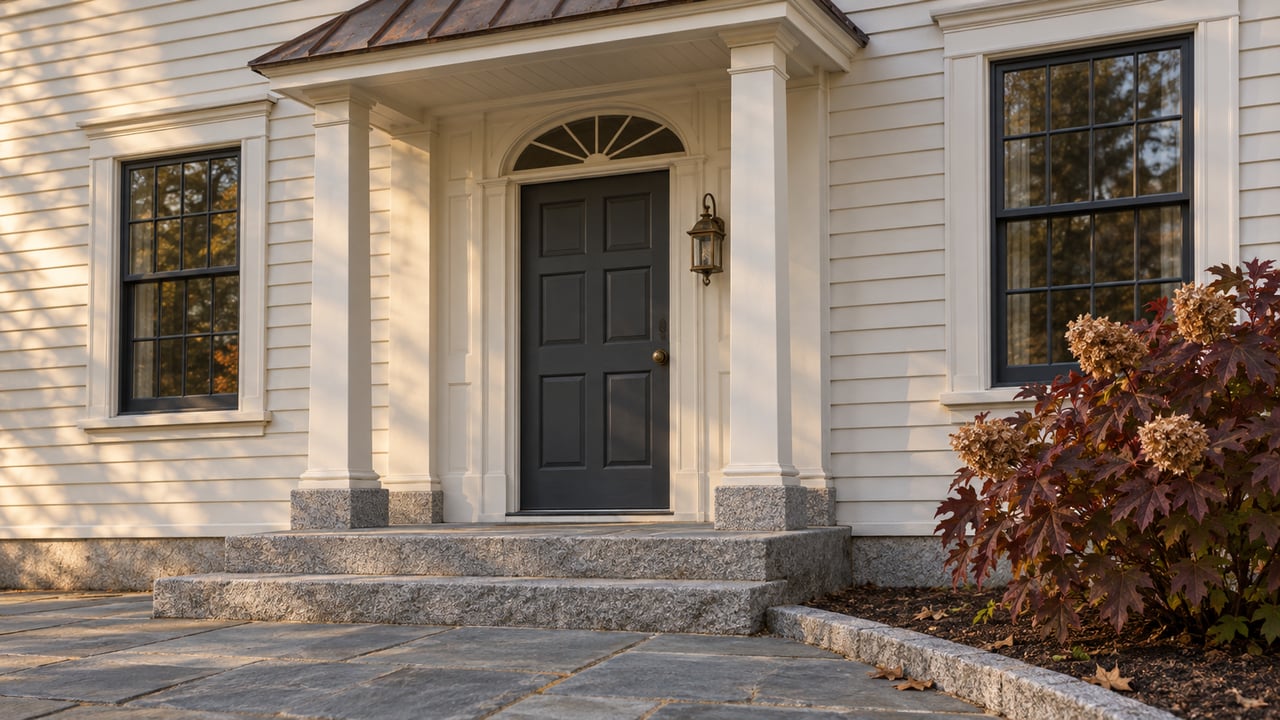
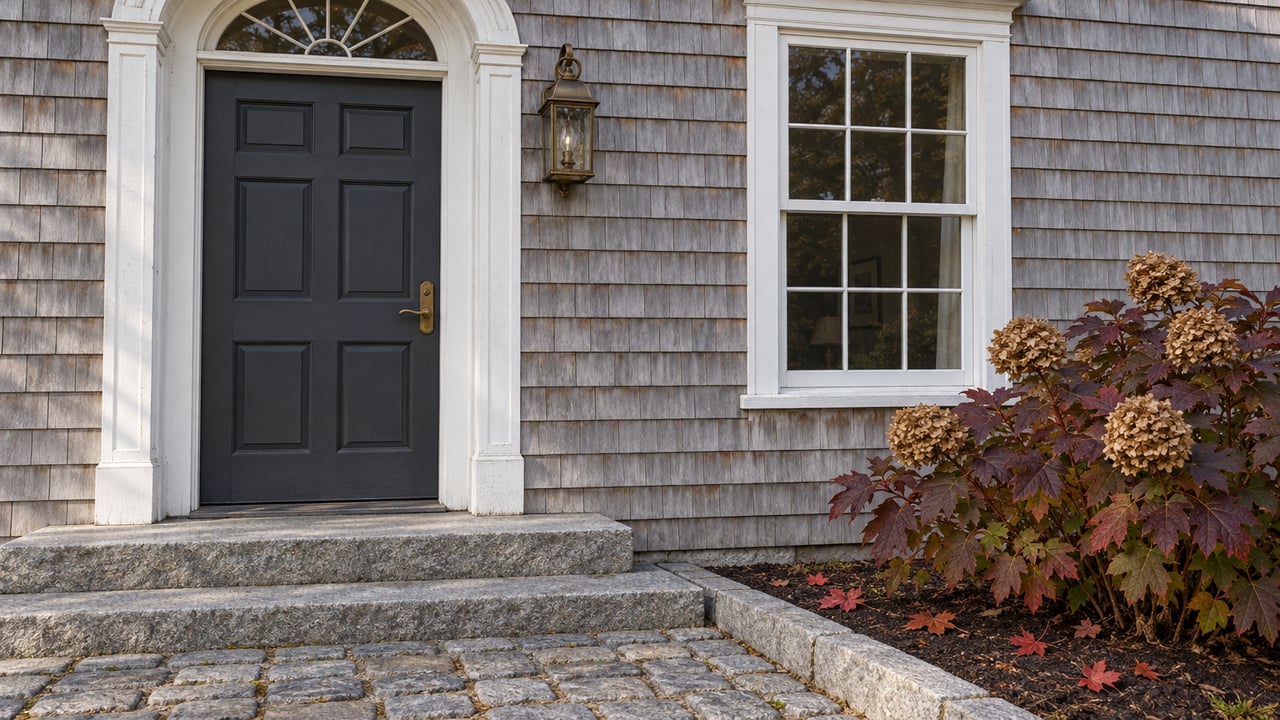
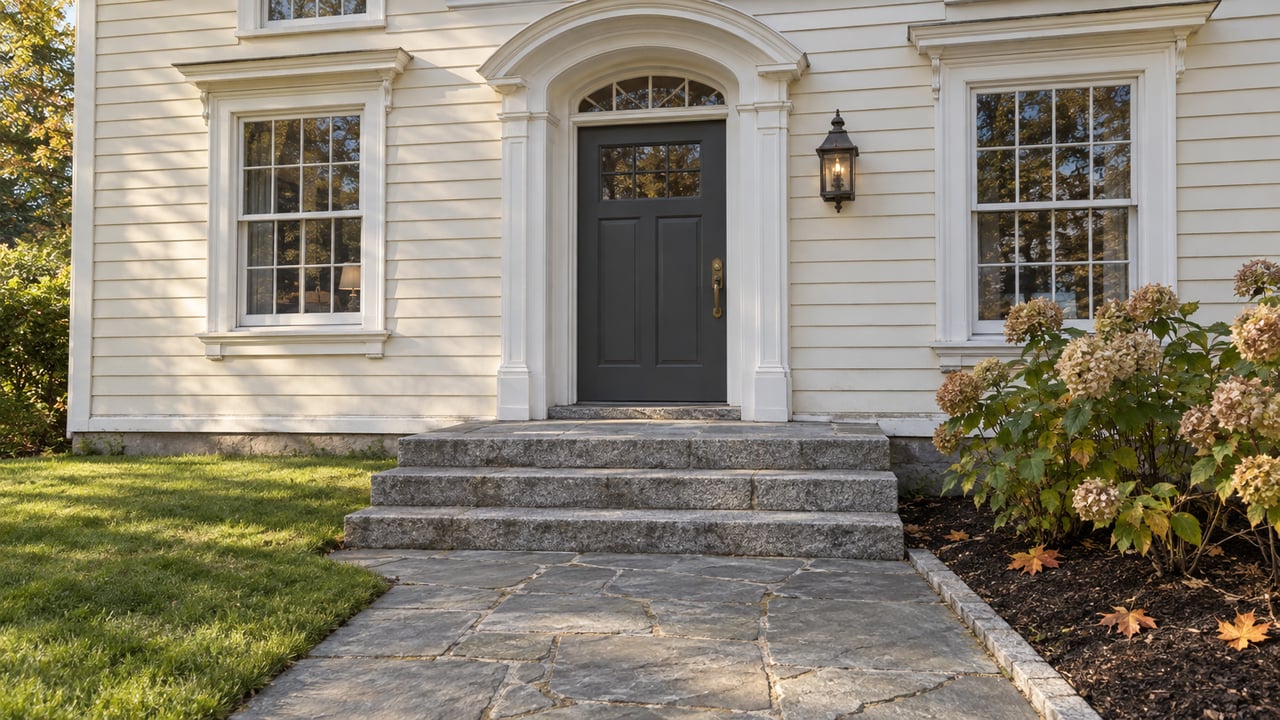
Curb appeal matters, but with a historic home, it should be handled with restraint. Concord identifies several exterior elements that can trigger review in historic districts, including paint color, roof or material color, changes to exterior materials or design, signage, hardscaping, retaining walls, and some vegetation changes.
That means pre-sale landscaping and site work deserve as much care as the house itself. In some districts, the town emphasizes open settings, view corridors, stone walls, and boundary features. In others, it stresses original materials, scale, and visual compatibility rather than a one-style-fits-all look.
For example, in the Monument Square/North Bridge area, open settings and stone walls are part of the larger historic context. In the Main Street district, maintaining diversity, scale, and original materials is a clear priority. Sellers should think about the whole property, not just the front entry.
Use documentation to support value
One of Concord’s great advantages is the depth of local research available for historic properties. The town points owners toward MACRIS, GIS property records, deed history, historic maps, the Concord Enterprise archive at Acton Memorial Library, Concord Free Public Library Special Collections, and the Concord Museum.
These sources can help confirm age, builder or architect if known, ownership chronology, notable alterations, restoration dates, and broader literary, civic, agricultural, or landscape context. That kind of documentation can be far more persuasive than generic phrases like “full of charm” or “one of a kind.”
When the history is real and well supported, it can strengthen a home’s market position. Buyers are often more confident when a property’s story is clear, grounded, and connected to visible features they can appreciate in person.
Stage to highlight, not disguise
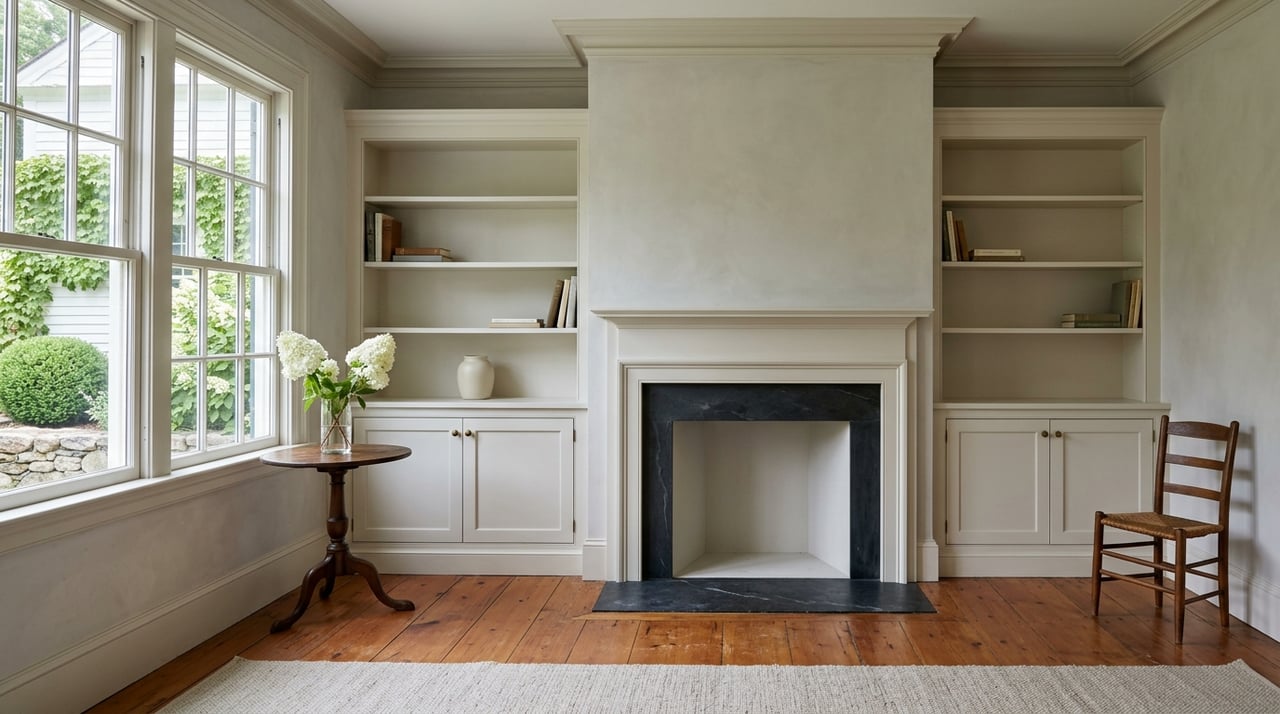
Historic homes rarely benefit from generic staging. The strongest presentation usually reveals character instead of covering it up. Think original trim, fireplaces, staircases, built-ins, floor patterns, windows, and the flow between rooms.
That does not mean every room should feel formal or overly styled. It means the home should feel edited, calm, and easy to understand. Buyers should be able to see both the architectural integrity and the way the home supports modern living.
Recent staging research found that 29% of sellers’ agents said staging led to a 1% to 10% increase in dollar value offered, and 49% said it reduced time on market. At the same time, many said they did not fully stage every home but did recommend decluttering or correcting faults. That selective approach often makes sense in a historic Concord property.
Build a premium narrative for the right buyer
A historic home should be marketed as more than a list of rooms and measurements. In Concord, the best listing narrative often combines documented provenance with visible function and careful presentation. That balance helps the home feel both meaningful and livable.
A strong narrative might include:
- Verified age and period details
- Known architect, builder, or ownership history if documented
- Original materials and preserved features
- Thoughtful updates that support comfort and efficiency
- Landscape or setting details that connect the house to its surroundings
This kind of positioning can support premium pricing without sounding overly technical or museum-like. It invites buyers to understand the home as a place with continuity, craftsmanship, and everyday usability.
Why careful representation matters
Selling a historic Concord home calls for more than standard listing preparation. You need someone who understands local preservation context, knows how to shape presentation without erasing authenticity, and can manage details calmly from start to finish.
That is where a design-forward, white-glove approach can make a real difference. Thoughtful staging, high-quality photography, local storytelling, and disciplined transaction management all help bring the right buyers to the table. Just as important, they help your home enter the market with clarity and confidence.
If you are thinking about selling a historic home in Concord, Hilary Bovey offers the kind of careful guidance, design insight, and concierge-level representation that can help you protect your home’s character while maximizing its market appeal.
FAQs
How can I tell if my Concord home is in a local historic district?
- Concord has six local historic districts: American Mile, Barrett Farm, Church Street, Hubbardville, Main Street, and Monument Square/North Bridge. Checking your property’s district status with town records should be one of your first steps before planning exterior work or listing preparation.
What exterior changes to a historic Concord home may require review?
- In a local historic district, exterior changes may be reviewed based on design, materials, color, size, massing, shape, landscaping, and relationship to neighboring buildings. Items such as replacement windows, doors, paint color, roofing color, hardscaping, retaining walls, signage, and some vegetation changes may need approval.
Are interior updates to a Concord historic home usually reviewed?
- Interior changes are generally not reviewed under Concord’s historic district guidance. Ordinary maintenance and repair are also typically exempt, but replacement work or changes in color, materials, design, or size are generally not treated as ordinary maintenance.
Does Concord have demolition rules for older homes?
- Yes. Concord’s Demolition Review Bylaw applies town-wide to total demolition of structures that are 50 years old or more. The process is intended to encourage alternatives such as rehabilitation, relocation, or restoration.
What are the best pre-list improvements for a historic Concord home?
- The most effective improvements often focus on repair over replacement, especially for original windows and doors. Weatherstripping, storm windows, careful maintenance, and selective updates that preserve character usually fit historic homes better than broad cosmetic overhauls.
How can I document the history of my Concord home for marketing?
- Concord points property owners to local resources such as MACRIS, GIS property records, deed history, historic maps, the Concord Enterprise archive, Concord Free Public Library Special Collections, and the Concord Museum. These sources can help support factual storytelling about age, provenance, and architectural significance.