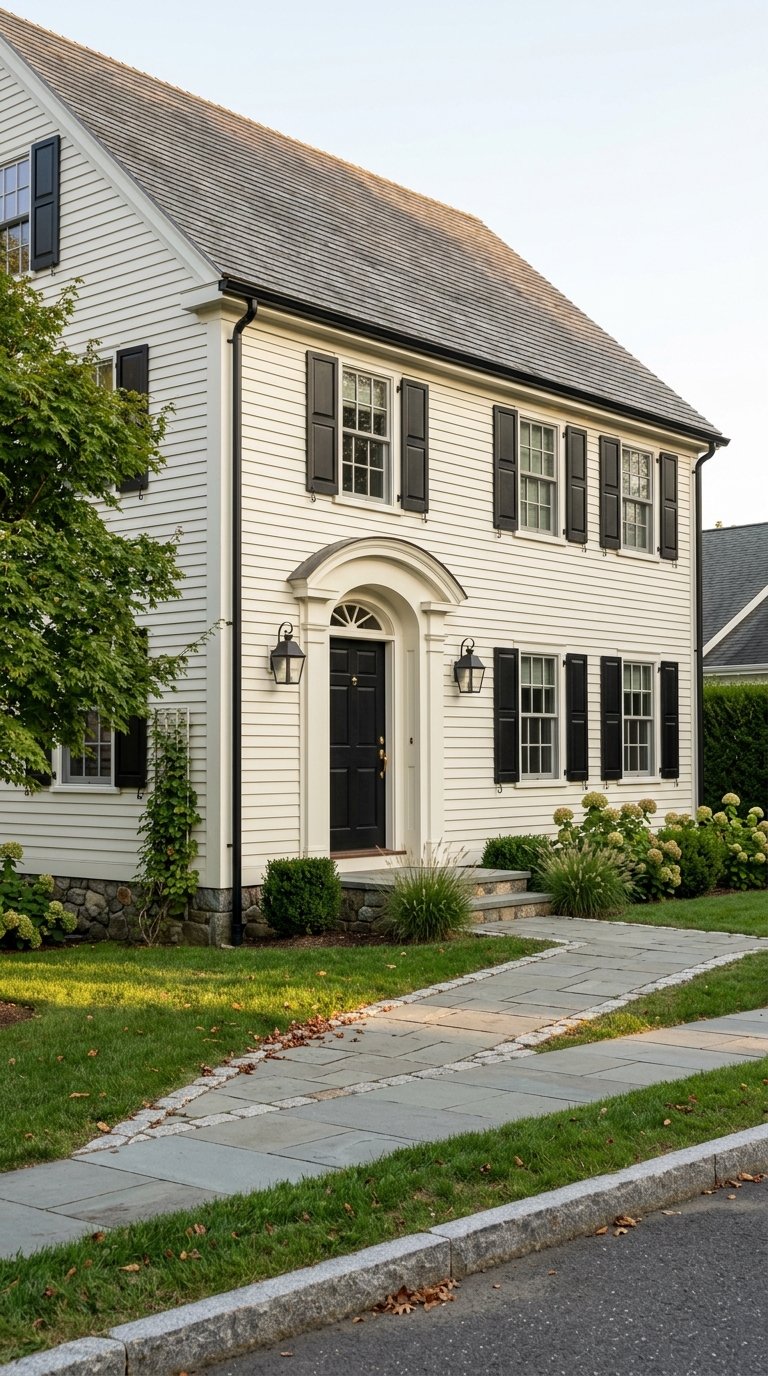
Wondering where you fit in Concord? That is one of the most important questions you can ask before you start touring homes here. Concord may look like one town on a map, but the day-to-day feel can shift quite a bit depending on whether you picture yourself in a village setting, near the rivers, or out by farms and conservation land. This guide will help you compare those three lifestyles so you can focus your search with more confidence. Let’s dive in.
Why setting matters in Concord
Concord sits about 20 miles west of Boston and offers access to MBTA commuter rail, commuter bus service, Route 2, and Routes 128/95 and 495. It also has a high-value housing market, with a 2020 to 2024 owner-occupied housing rate of 75.7% and a median owner-occupied home value of $1,210,000, compared with 62.5% and $562,100 statewide.
In practical terms, that means your location choice inside Concord matters a great deal. You are not just choosing a house. You are choosing a daily rhythm, a streetscape, and the kind of access you want to town, nature, and commuting options.
Village living in Concord
If you want the most walkable version of Concord, the village areas are the natural starting point. Concord Center, Thoreau Depot, and West Concord each offer a slightly different take on village life, but all connect you more closely to services, cultural destinations, and rail access.
Concord Center at a glance
Concord Center is described by the town as a walkable, picturesque New England business village. It is bordered by 18th to 20th century buildings and landscapes that form a National Historic District, and the overall feel is visually dense, with buildings comfortably close together.
That close-knit layout gives Concord Center a strong sense of place. If you are drawn to historic architecture, traditional streetscapes, and being able to move through your day on foot, this part of town often feels the most classic.
West Concord and Thoreau Depot
West Concord has a different personality. The town presents it as a former industrial and retail district at a historic railroad crossing, with a more eclectic, practical, and arts-oriented feel.
Thoreau Depot serves as the more transit-centered commercial node, about half a mile from Concord Center. For some buyers, that can offer a useful middle ground between central access and a slightly different village pace.
What daily life feels like in the village
Village living is the most walk-to-everything option in Concord. Near Concord Center, you are close to cultural and historic destinations such as the Concord Museum, Emerson House, Minute Man National Historical Park, the Old Manse, Old North Bridge, Orchard House, and Sleepy Hollow Cemetery.
The downtown area also includes the Concord Free Public Library, Concord Art Association, Emerson Umbrella, and the Performing Arts Center. In West Concord, the emphasis leans more toward errands, public art, community events, arts classes, and day-to-day services.
Who the village setting fits best
Village settings often appeal to buyers who want walkability, historic character, and easy commuter access. They can also be a strong fit if you value being near two of Concord’s key rail-oriented areas, Concord Center and West Concord.
If your ideal lifestyle includes stepping out for a coffee, heading to the train, visiting a museum, or enjoying a more compact streetscape, village living may feel like the most natural choice.
River settings in Concord
If your version of Concord is more landscape-driven, the river areas offer a different experience. Around Mill Brook, the Concord River, and the Assabet River edges, the setting shifts from village density to meadows, woods, wetlands, and open views.
What the river landscape feels like
Heywood Meadow shows how deeply waterways shaped Concord’s landscape. The area includes open meadows, woods, Mill Brook, and wetlands near the center of town, with historic homes nearby.
The October Farm Riverfront and Rivers Confluence trail areas extend that feeling. These places include hills, ponds, riverfront, and river views, along with trail systems and conservation land that connect the landscape in a meaningful way.
What daily life feels like near the rivers
River-adjacent living is more nature-first than retail-first. The town’s trail materials highlight birdwatching, wildlife habitat, canoe access, river views, and walks through conservation land.
That usually translates into a quieter, more scenic daily experience. You may trade some walk-to-town convenience for a stronger sense of privacy and a closer connection to the outdoors.
Who the river setting fits best
River settings can be a strong fit if you want scenery, privacy, and trail access while still remaining near Concord’s historic center. If your weekends naturally involve walking paths, time outside, and a calmer pace, this part of town may line up well with your priorities.
For many buyers, the appeal here is balance. You can still be in Concord, but with a setting that feels more open and less centered on the commercial core.
Country settings in Concord
If you picture Concord as a farm-country town with quiet roads and broad open land, the country setting is where that image becomes most real. This side of Concord reflects the town’s long agricultural history and its strong commitment to preserved open space.
What the country landscape feels like
The town describes Concord as a place of handsome residences, preserved open spaces, family-owned farms, and thriving commercial centers. Farming remains central to life here, with more than 1,500 acres devoted to agriculture.
Commercial agriculture uses about 10% of the land, and about 60% of Concord is designated open space, with 40% protected from development. In the town’s easternmost corner, Concord also notes historic farmhouses among cultivated agricultural lands, reinforcing the rural edge of the community.
What daily life feels like in the country
Country living revolves around working farms, farmstands, CSA programs, pick-your-own days, and long stretches of conservation land. The town highlights active farms such as Barrett’s Mill, Hutchins, Marshall, and Verrill, along with a wide network of protected land.
Concord manages more than 1,500 acres of conservation land, including Hapgood Wright Town Forest, Mattison Field, October Farm Riverfront, Punkatasset Preserve, and White Pond Reservation. If you want your surroundings to feel quieter and more spacious, this setting often delivers that best.
Who the country setting fits best
Country settings usually suit buyers who prioritize quiet, landscape, and a more rural daily rhythm over a walk-to-town lifestyle. If your idea of home includes conservation land nearby, working farms in the backdrop, and a stronger sense of separation from the village core, this may be your best match.
Comparing Concord’s three settings
Each setting offers a distinct version of Concord. The right one depends less on square footage alone and more on how you want your everyday life to unfold.
| Setting | Best known for | Daily feel | Best fit for |
|---|---|---|---|
| Village | Walkability and historic street character | More connected to shops, culture, and rail | Buyers who want convenience and village energy |
| River | Scenic landscape and conservation access | Quieter, nature-focused, and more private | Buyers who want trails, views, and outdoor access |
| Country | Farms, open space, and rural roads | Spacious, quiet, and landscape-driven | Buyers who want a rural rhythm and preserved land |
Commute considerations in Concord
If commuting is a major factor, village and route-access areas usually deserve the closest look. Concord has two commuter rail stations, Concord Center and West Concord, and the town notes that the rail system connects with other regional rapid transit and commuter rail services.
Concord also offers commuter bus service to Boston and has convenient access to Route 2 and the 128/95/495 belt. For many buyers, that means the easiest transit-oriented choices tend to be homes closest to Concord Center or West Concord.
How to choose the right Concord setting
A good way to narrow your search is to start with lifestyle before architecture. A beautiful house can feel less right if the surrounding setting does not support how you actually want to live.
Ask yourself a few simple questions:
- Do you want to walk to services, cultural destinations, or the train?
- Do you picture daily life near meadows, trails, and river views?
- Do you want working farms, conservation land, and a quieter rural backdrop?
- Is commuter rail a top priority?
- Would you rather be in the center of activity or on the edge of open space?
Once you answer those questions, your Concord search often becomes much clearer. The town offers all three experiences, but they are not interchangeable.
Choosing well means matching the home to the life you want to lead there. In a market as distinctive as Concord, that kind of clarity can make your search more focused and more rewarding.
Whether you are drawn to a historic village street, a river-side landscape, or a quieter country road, the right guidance can help you see the difference not just between homes, but between lifestyles. If you are thinking about buying or selling in Concord, Hilary Bovey offers a thoughtful, design-aware approach grounded in deep local knowledge.
FAQs
What is the most walkable setting in Concord, MA?
- The village areas, especially Concord Center and West Concord, are the most walkable because shops, civic uses, cultural amenities, and rail access are clustered there.
What is the quietest setting for homebuyers in Concord, MA?
- River and country settings generally feel quieter than the village core, with country areas often feeling the most rural because they are tied to farms and conservation land.
Which Concord setting is best for commuter rail access?
- Homes closest to Concord Center or West Concord are usually the best fit for commuter rail access because those areas anchor the town’s two rail stations.
What is the difference between river and country living in Concord, MA?
- River settings are more focused on scenery, trails, wetlands, and river views, while country settings are more tied to farms, open space, rural roads, and a broader agricultural landscape.
Is Concord, MA more village-like or rural?
- Concord offers both. Some parts of town feel compact and village-oriented, while others feel more scenic or rural, depending on whether you are near the center, the rivers, or farm and conservation areas.