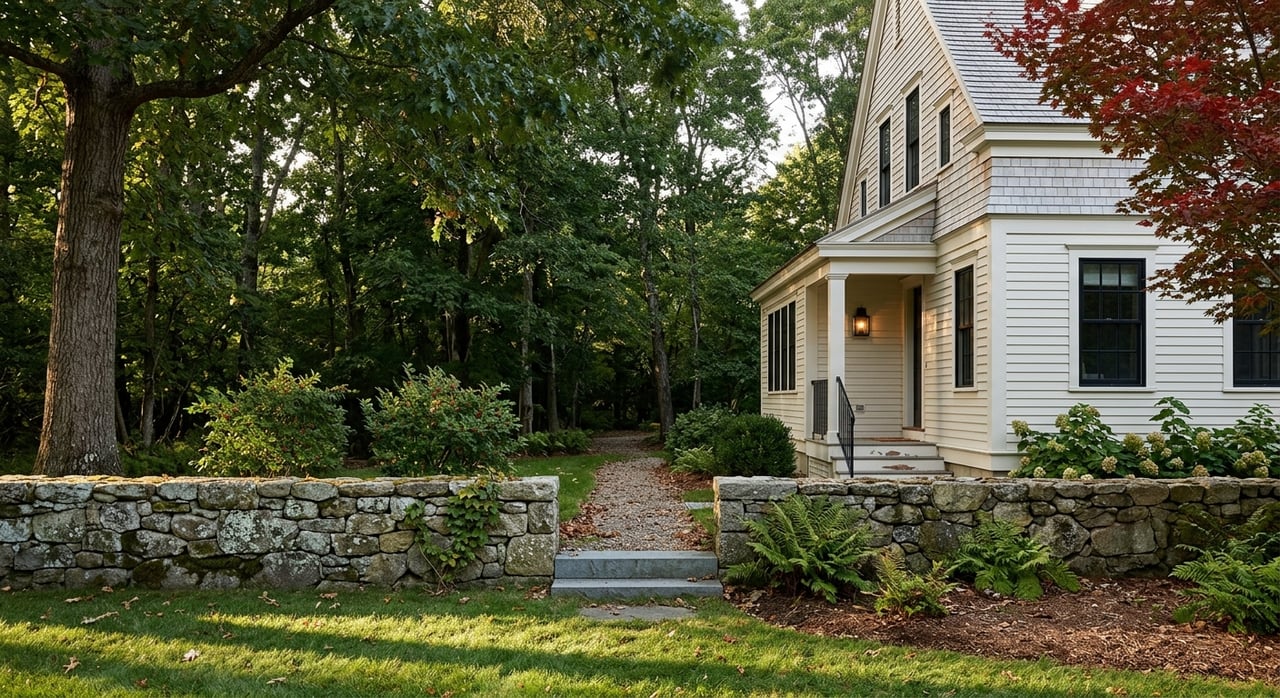
If your ideal weekend includes crowded itineraries and flashy attractions, Lincoln may surprise you. This is a town where the luxury is quieter: protected land, working farms, thoughtful architecture, and gathering places that never feel overdone. If you are curious about what makes Lincoln, MA so appealing, this guide will show you how to spend two restorative days here and why the setting leaves such a lasting impression. Let’s dive in.
Why Lincoln Feels Different
Lincoln’s identity is rooted in land conservation and agriculture. According to the town, nearly 35% of Lincoln, about 5 square miles, is protected by permanent conservation deeds or restrictions, and the community has more than 80 miles of trails.
That fact shapes the entire experience of the town. Instead of building a weekend around busy commercial districts, you build it around open space, historic places, farms, and small local stops. The result feels calm, intentional, and distinctly New England.
Lincoln is also remarkably accessible. Historic New England notes that Lincoln is less than a half hour west of Boston and reachable by car or commuter rail, which makes it easy to picture a quick escape that still feels far removed from city pace.
Start With Lincoln’s Trails
The best way to understand Lincoln is to walk it. The town describes a network of roughly 80 miles of trails across 2,400 acres of conservation land and private property, with trails marked by yellow blazes.
This network is not just one park or one path. It is a patchwork of places with their own character, including Mt. Misery, Flint’s Pond, Codman North, Codman South, Codman East, Wheeler Farm, Flint Fields, Osborne Farm, Baker Bridge Fields, Adams Woods, and Beaver Pond / Stony Brook South.
Try a Morning at Mt. Misery
Mt. Misery is one of Lincoln’s best-known walking areas, and the town offers a dedicated trail brochure for it. It is the kind of place that sets the tone for the weekend: simple, scenic, and deeply tied to the local landscape.
An early walk here feels especially fitting because Lincoln’s conservation land is open from half an hour before sunrise until half an hour after sunset. If you want the town at its most peaceful, morning is a strong place to begin.
Add Flint’s Pond to Your Plan
Flint’s Pond is another frequently used area with its own town trail brochure. It offers a different expression of Lincoln’s outdoor appeal and helps show that the town’s natural setting is varied rather than repetitive.
When you spend time on more than one trail, you start to see Lincoln as locals do: not as a single destination, but as a connected landscape of fields, woods, ponds, and historic edges.
Weave History Into the Walk
Lincoln’s outdoor story overlaps with national history. Minute Man National Historical Park spans Lexington, Lincoln, and Concord, and the Battle Road Trail runs through Lincoln.
That gives your weekend an added layer of meaning. You are not only walking through preserved scenery, but through a landscape connected to the opening battles of the American Revolution.
Stop at Minute Man in Lincoln
The Minute Man Visitor Center is located in Lincoln on North Great Road. If you enjoy placing a town in a broader historical context, this is a natural addition to the day.
It also reinforces one of Lincoln’s strengths: even its history is experienced through landscape. Here, heritage is not sealed off indoors. It is part of the road, the trails, and the rhythm of the town itself.
Spend Time on Working Land
Lincoln’s farms are not decorative backdrops. The town’s Agricultural Program makes clear that preserving large farms and keeping agricultural land in active use has been central to maintaining Lincoln’s rural character.
That matters if you are trying to understand the town beyond the surface. In Lincoln, farms help shape daily life, local food, and the visual identity of the community.
Visit Drumlin Farm
Mass Audubon’s Drumlin Farm Wildlife Sanctuary is one of the easiest ways to experience that connection. Mass Audubon says the property spans 291 acres and combines a working farm with trails through fields, forest, and wetlands.
You can see farmyard animals, sustainably grown crops, and a landscape that feels both productive and preserved. It is a fitting stop for anyone who values a lifestyle tied to nature without sacrificing thoughtful stewardship.
Browse Codman Community Farms
Codman Community Farms adds another dimension to Lincoln’s agricultural story. The farm describes its mission as preserving Lincoln’s rural character and supporting regenerative farming.
Its year-round farm store is especially memorable because it offers pasture-raised proteins, eggs, and locally grown produce with self-checkout available 24/7/365. That detail says a lot about Lincoln: practical, trust-based, and quietly distinctive.
Appreciate Baker Bridge Farm
The Food Project’s Baker Bridge Farm brings a broader community element to Lincoln’s farm landscape. The organization says it stewards 31 acres of conservation land in Lincoln and grows vegetables, herbs, flowers, and cover crops that support CSA shares and food-access initiatives.
For a weekend visitor, that may not be the flashiest stop. Still, it helps tell the fuller story of Lincoln as a place where the land supports both local identity and regional food systems.
Explore Lincoln’s Design Side
Lincoln is not only about trails and farms. It also has a deeply appealing architectural and cultural layer that gives the town a more design-forward character.
The town’s attractions page brings that into focus with a compact list that includes Codman House, deCordova Museum and Sculpture Park, Gropius House, Drumlin Farm, Minute Man National Historical Park, Pierce House, St. Anne’s-in-the-Fields, and the Thoreau Institute. Together, these places make Lincoln feel curated rather than crowded.
Walk deCordova’s Sculpture Park
For art in an outdoor setting, deCordova is a standout. The Trustees says the Sculpture Park spans 30 acres, is the largest of its kind in New England, and includes more than 60 outdoor works.
Because the indoor galleries are currently closed for renovations, the best way to think about deCordova right now is as an open-air experience. The sculpture park, café, and retail store remain open, making it an ideal afternoon stop when you want culture without losing the landscape.
See Gropius House
Gropius House adds a strong modernist note to Lincoln’s identity. Historic New England says Walter Gropius designed the home for his family after coming to teach at Harvard, and the property is a National Historic Landmark.
This matters because it widens the town’s aesthetic range. Lincoln is not only fields and old estates. It also has a serious place in the story of modern design.
Stroll Codman Estate Grounds
Codman Estate offers a graceful counterpoint to Gropius House. Historic New England describes it as an estate with formal gardens and landscape features, and notes that the grounds are open daily from dawn to dusk.
Because the estate adjoins the town conservation trail, it creates one of Lincoln’s most compelling combinations: heritage, garden design, and outdoor movement in one setting. If you appreciate places where architecture and landscape speak to each other, this is a must.
Keep Dining Low-Key and Local
Lincoln’s food scene is not large, but it fits the town well. The emphasis is on ease, quality, and local character rather than a packed restaurant circuit.
That is part of the appeal. In a place like Lincoln, a good weekend does not depend on having endless options. It depends on having the right ones.
Start at Twisted Tree Cafe
Twisted Tree Cafe is one of those right places. The café says its Lincoln Station outpost was the original location and expanded in 2025, offering breakfast, lunch, smoothies, ice cream, lattes, and salads.
It is an easy choice when you want a relaxed start or a casual midday stop. The deCordova location adds another option with lunch in the sculpture park, an outdoor courtyard, coffee, wine, mocktails, and First Friday live music.
End the Day at The Tack Room
For dinner, The Tack Room offers a slightly more elevated but still welcoming note. The restaurant describes itself as a community gathering place with a seasonal rotating menu of elevated comfort food, plus wine and cocktails.
That balance suits Lincoln perfectly. It feels polished without feeling performative, which is very much in line with the town’s version of luxury.
A Simple Weekend Rhythm
If you are planning two days in Lincoln, the best approach is to keep your schedule light. This is a town that rewards wandering, pausing, and letting one setting lead naturally to the next.
A weekend here might look like this:
- Saturday morning: Coffee near Lincoln Station, then a trail walk at Mt. Misery or Flint’s Pond
- Saturday afternoon: Drumlin Farm or Codman Community Farms, followed by a visit to deCordova Sculpture Park
- Saturday evening: Dinner at The Tack Room
- Sunday morning: Battle Road Trail or the Minute Man Visitor Center
- Sunday afternoon: Gropius House, Codman Estate grounds, or another conservation walk before heading home
Because Lincoln Station remains an active passenger rail stop on the Fitchburg Line, the town stays connected even as it feels tucked away. That combination of access and ease is a big part of what makes a weekend here so appealing.
What Lincoln’s Quiet Luxury Really Means
In Lincoln, luxury is less about spectacle and more about stewardship. It shows up in protected landscapes, active farms, carefully preserved historic places, and public spaces that feel generous rather than crowded.
For homebuyers and homeowners, that character is part of the town’s lasting draw. Lincoln offers a lifestyle shaped by beauty, restraint, and access to the land, with Boston still within easy reach.
If you are exploring MetroWest communities with a strong sense of place, Lincoln deserves your attention. And if you are thinking about buying or selling in this part of Massachusetts, working with an advisor who understands how to tell the story of a town like this can make all the difference. To start that conversation, connect with Hilary Bovey.
FAQs
What makes Lincoln, MA a good weekend destination?
- Lincoln offers a mix of conservation land, roughly 80 miles of trails, working farms, historic sites, and outdoor cultural attractions in a compact setting less than a half hour west of Boston.
What outdoor activities can you do in Lincoln, MA?
- You can explore named trail areas such as Mt. Misery and Flint’s Pond, walk sections of the Battle Road Trail in Minute Man National Historical Park, and visit Drumlin Farm for trails through fields, forest, and wetlands.
Are there farms to visit in Lincoln, MA?
- Yes. Lincoln includes Drumlin Farm, Codman Community Farms, and Baker Bridge Farm, each reflecting the town’s active agricultural character.
What cultural attractions are in Lincoln, MA?
- Lincoln’s attractions include deCordova Sculpture Park, Gropius House, Codman Estate, Minute Man National Historical Park, and several other historic and cultural sites listed by the town.
Is Lincoln, MA easy to reach from Boston?
- Yes. Historic New England says Lincoln is less than a half hour west of Boston and accessible by car or commuter rail, and Lincoln Station serves the Fitchburg Line.
What does quiet luxury mean in Lincoln, MA?
- In Lincoln, quiet luxury is reflected in preserved open space, low-key gathering places, working farms, historic architecture, and a lifestyle centered on beauty, stewardship, and ease rather than flash.