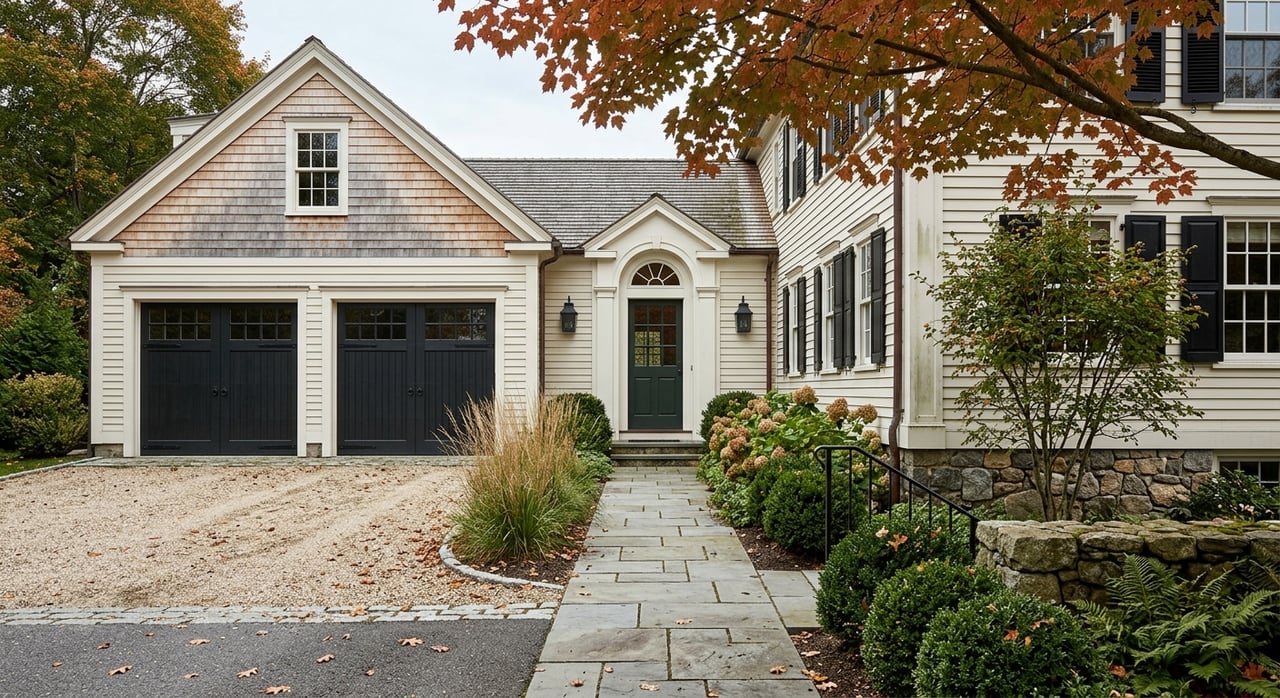
Wondering whether it is time to sell the home that has held years of memories? If you are downsizing in Lincoln, you are likely balancing practical goals with emotional decisions, and that can make the process feel bigger than a typical move. This guide will help you think through timing, preparation, local requirements, and presentation so you can move forward with more clarity and less stress. Let’s dive in.
Why downsizing in Lincoln feels different
Downsizing in Lincoln often comes with a unique mix of factors. This is a small, high-value market where many homeowners have lived in their properties for years, and where setting, land, and architectural character often carry real weight with buyers.
Lincoln’s 2025 population was estimated at 6,925, with 21.7% of residents age 65 or older. The town’s Council on Aging says it serves residents 60 and up who make up about one-third of the community, which helps explain why later-life housing decisions are such a meaningful part of the local market.
Home values also shape the conversation. The Census Bureau reports a median owner-occupied home value of $1,208,200, and Lincoln’s FY2026 assessment data show a median single-family assessed value of $1,526,850, with an average single-family tax bill of $21,343 at a residential tax rate of $12.31 per $1,000.
Start with your reasons and your timeline
Many homeowners know downsizing makes sense long before they feel ready to act. That is normal. AARP’s 2024 survey found that 75% of adults age 50 and older want to remain in their current homes, and 73% want to remain in their communities.
That emotional gap matters. You may be fully aware that the house is larger than you need, yet still feel attached to the routines, rooms, and belongings that define your daily life.
The best first step is to give yourself a clear reason for the move. For some homeowners, that reason is simpler upkeep. For others, it is reducing expenses, moving closer to daily needs, or planning more intentionally for the next chapter.
Readiness often matters more than a perfect date
In Lincoln, timing is not just about choosing a month on the calendar. It is also about how prepared your home is for the market.
Recent market snapshots point to a relatively limited inventory environment. Redfin reported a median sale price of $1,016,891 and 23 median days on market for the three months ending May 2026, while Zillow showed 20 homes for sale as of May 31, 2026.
In a market like this, being ready can matter more than chasing an exact listing week. If your home is decluttered, documented, and presented well, you are in a stronger position than if you rush to market before the property is truly prepared.
Understand the financial pieces before you list
Before you make a final plan, it is wise to review any tax-related programs tied to the property. Lincoln’s Property Tax Relief Programs include a 41A property-tax deferral for homeowners age 60 and over, along with elderly exemptions, the state Senior Circuit Breaker credit, and a senior work-off program.
If you have a tax deferral in place, that can directly affect your sale proceeds. The town states that deferred taxes under 41A accrue 4% interest and must be repaid when the property is conveyed or when the owner dies.
That does not mean selling is the wrong choice. It simply means your net proceeds and timing may look different than expected, so it helps to gather those details early.
Records worth gathering now
A smoother sale often starts with organized paperwork. Before listing, it helps to collect:
- Historic-district approvals, if they apply
- Septic inspection reports
- Smoke and carbon monoxide alarm compliance paperwork
- Lead paint notification documents, if required
- Any paperwork tied to tax deferrals or exemptions
Having these items ready early can reduce stress later and help the sale move forward with fewer surprises.
Tackle the emotional side of the move
For many Lincoln homeowners, the hardest part of downsizing is not pricing the house or planning the move. It is sorting through a lifetime of possessions and deciding what comes next.
Research on later-life downsizing describes the process as deeply tied to family memory, identity, and a sense of place. AARP also notes the emotional strain that can come with separating belongings into keep, donate, sell, and pack categories.
This is one reason it helps to avoid treating downsizing like a single massive project. A calmer approach usually leads to better decisions and less fatigue.
A simpler way to begin decluttering
AARP recommends starting with the least emotional area first and working in short increments. That can be especially helpful in a long-held Lincoln home where every room may carry history.
A manageable approach might look like this:
- Start with a utility room, guest room, or linen closet
- Work in short sessions instead of all-day marathons
- Create clear categories for keep, donate, sell, and discard
- Ask a trusted family member or accountability partner to help you stay on track
- Focus on small wins to build momentum
The goal is not speed for its own sake. The goal is steady progress that keeps the process from becoming overwhelming.
Prepare the home with Lincoln buyers in mind
Lincoln has a strong conservation and preservation identity, and that affects how buyers often see a property. The town reports 3,520 acres of protected land, or 38% of the town, and 4,113 acres, or 44%, when open space and Chapter 61 land are included. Trail rules also note about 80 miles of trails on 2,400 acres of conservation land and private property.
That local context matters because buyers may evaluate more than interior square footage. Lot setting, exterior condition, landscape presentation, and architectural integrity can all influence perceived value.
For a downsizing seller, this is where thoughtful preparation can make a meaningful difference. A home that feels well cared for, visually coherent, and true to its character often makes a stronger impression.
Focus on presentation, not over-improvement
Not every pre-sale project needs to be large or expensive. In many cases, the smartest work is selective.
Consider prioritizing:
- Decluttering to make rooms feel lighter and easier to read
- Touch-up painting or maintenance where wear is obvious
- Landscape cleanup to clarify the home’s setting
- Exterior tidying that supports curb appeal and architectural consistency
- Thoughtful staging that helps buyers see scale, function, and flow
In Lincoln, presentation should feel polished but not forced. Especially for homes with history or distinctive design, buyers often respond best when the home’s character is preserved rather than masked.
Check local and state sale requirements
Before listing, make sure the home is ready not only visually but also from a compliance standpoint. A few Massachusetts requirements are especially important in a downsizing sale.
Historic district review
If your home is in a historic district, the Historic District Commission reviews exterior alterations visible from a public way. That means even seemingly modest exterior updates may need to be confirmed before you move ahead.
If you are considering last-minute exterior changes, it is worth checking this early. Waiting too long can create avoidable delays.
Lead paint notification
For homes built before 1978, Massachusetts requires property-transfer lead paint notification when a buyer is about to purchase the home. Sellers and real estate agents must disclose known lead information.
If your home falls into this category, gather any records you have in advance. Early organization can make the disclosure process much easier.
Septic inspection under Title 5
If the property uses a septic system, Massachusetts Title 5 requires an inspection within two years before sale. If weather prevents a pre-sale inspection, it may be completed within six months after the sale if the seller notifies the buyer in writing.
If the system fails, repairs are generally required within two years. Because septic timing can affect negotiations and planning, it is smart to address this early in the process.
Smoke and carbon monoxide compliance
For the sale of a one- or two-family home, the seller must obtain a certificate of compliance from the local fire department showing that smoke and carbon monoxide alarms meet transfer requirements.
This is one of those details that can easily become a last-minute scramble if overlooked. Taking care of it ahead of time helps support a smoother closing.
Build a sale plan that feels manageable
A successful downsizing move usually works best as a sequence of smaller steps. Instead of trying to solve everything at once, it helps to create a clear order of operations.
A practical Lincoln downsizing plan often includes:
- Clarify your goals and desired timing
- Review tax relief or deferral details tied to the property
- Begin decluttering with low-emotion areas
- Gather important records and compliance documents
- Identify selective improvements that support presentation
- Prepare the home for photography and showings
- List when the home and paperwork are fully ready
This kind of structure can bring calm to a process that otherwise feels very personal and very large.
Why thoughtful representation matters
Downsizing is rarely just a transaction. In Lincoln, it often involves a long-held home, meaningful design details, and decisions about what to preserve, what to refresh, and how to position the property for the right buyer.
That is why careful guidance matters. A measured, design-aware approach can help you present the home beautifully, respect its architectural integrity, and move through the sale with less friction.
When the process is handled thoughtfully, you are not just putting a house on the market. You are shaping a transition in a way that protects value and honors the life you built there.
If you are considering downsizing in Lincoln and want a calm, design-forward strategy for selling your home, Hilary Bovey offers thoughtful guidance, white-glove preparation, and polished presentation tailored to distinctive New England properties.
FAQs
What makes downsizing in Lincoln different from other towns?
- Lincoln combines high home values, limited inventory, a large older-adult population, and a strong conservation and preservation culture, so buyers may pay close attention to setting, exterior presentation, and architectural character.
How early should I start preparing for a downsizing move in Lincoln?
- It is wise to start as early as possible, especially for decluttering and paperwork, since short, manageable sessions tend to work better than waiting until the home is almost ready to list.
What tax issues should Lincoln homeowners review before selling?
- Lincoln homeowners should review whether they use any local property tax relief programs, especially a 41A tax deferral, because deferred taxes and interest must be repaid when the property is conveyed.
What documents should I gather before listing a Lincoln home?
- Helpful records may include historic-district approvals, septic inspection reports, smoke and carbon monoxide compliance paperwork, lead paint notification documents, and any tax relief or deferral paperwork.
What pre-sale requirements apply to older homes in Lincoln?
- Depending on the property, sellers may need to address lead paint notification for pre-1978 homes, septic inspection requirements under Title 5, historic district review for certain exterior changes, and smoke and carbon monoxide alarm compliance for transfer.
What home features tend to matter most to Lincoln buyers?
- Based on Lincoln’s conservation and historic-preservation profile, buyers may look closely at lot setting, exterior condition, landscape presentation, and architectural integrity along with the home’s interior updates.