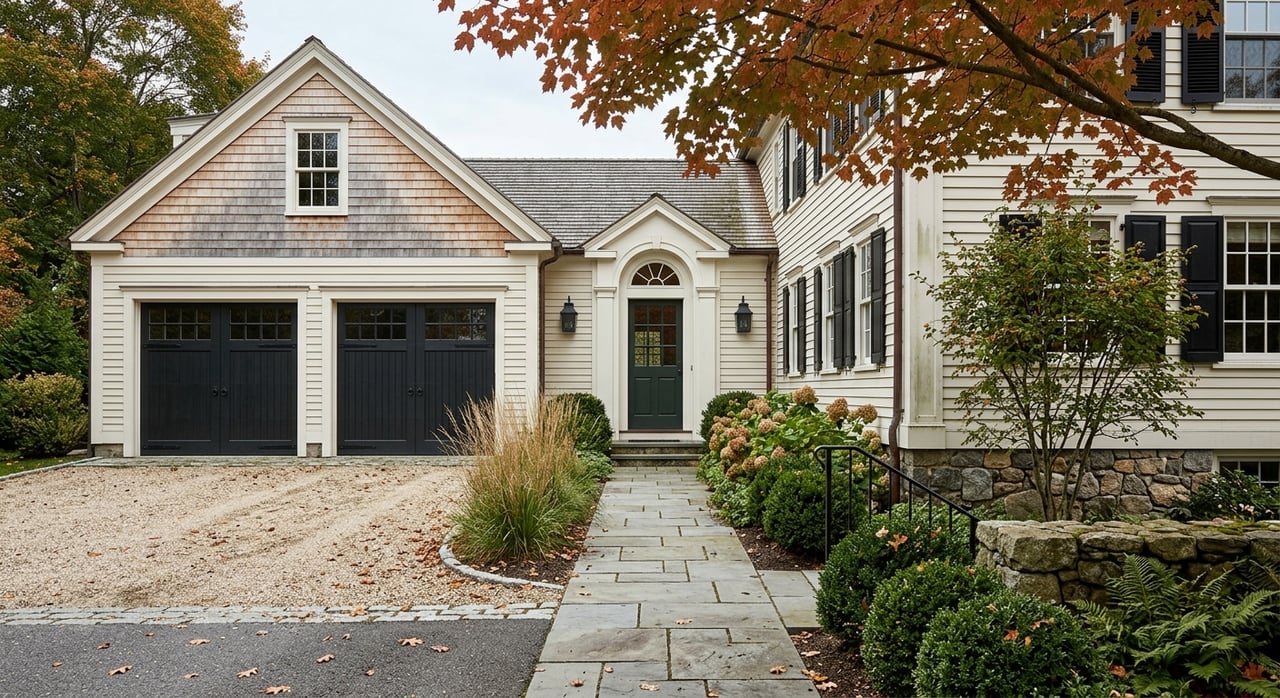
If you work in Boston or Cambridge, your home search in Acton is really a search for balance. You want a town that feels livable day to day, but you also need a commute you can manage with confidence. The good news is that Acton offers several ways to get where you need to go, and the best fit often depends on where in town you live and how you prefer to travel. Let’s dive in.
Why Acton Works for Commuters
Acton stands out because it is not just a drive-only suburb. The town’s transportation options include the MBTA Fitchburg Line at South Acton Station, local shuttle and dial-a-ride services, Cross-Acton Transit, and a commuter shuttle to downtown Boston. That mix gives you more flexibility than you might expect from a suburban town.
For many Boston commuters, the clearest advantage is South Acton Station. Town materials describe it as about 25 miles northwest of North Station, with train travel of about 54 minutes and parking for roughly 400 vehicles. That makes South Acton the rail anchor for many buyers who want a more predictable trip into the city.
Cambridge is a little different. Acton’s official transportation information highlights rail service to Boston and local feeder options, but it does not point to one simple Cambridge route that fits everyone. If Cambridge is your destination, it makes sense to compare your exact door-to-door trip before deciding which part of Acton feels most practical.
South Acton for Boston Rail Access
If your priority is train access, South Acton is usually the first place to study. The town has focused planning attention on the area around South Acton Station, including a zoning district within a half mile of the station under MBTA Communities rules. That gives the area a more transit-oriented identity than other parts of town.
For a Boston commuter, that can be a real advantage. You are closer to the station, closer to station parking, and closer to local feeder services that support the train. If your goal is to reduce the friction of your weekday routine, South Acton often rises to the top of the list.
There is also a broader lifestyle angle here. South Acton is one of Acton’s historic districts, and the village core continues to evolve with a more pedestrian-focused feel in mind. If you like the idea of a village setting with rail access at the center, this part of town deserves a close look.
Why Piper Road Matters
Piper Road is especially useful for commuters because it connects to South Acton Station, South Acton Village Center, the Assabet River Rail Trail, Great Hill Recreation Area, and commercial areas near the Route 2 and Piper Road intersection. That combination is hard to ignore if you want both train access and quick car access.
In practical terms, this means your weekdays can have more than one workable pattern. You might drive to the station, use nearby road connections, or simply benefit from being in an area designed around movement and convenience. For many buyers, that kind of flexibility is just as important as travel time itself.
West Acton for Village Feel and Driving Access
West Acton appeals to buyers who want a strong village atmosphere but do not plan to rely entirely on commuter rail. The town describes West Acton as a walkable mix of homes, shops, schools, churches, a post office, and a library. It has a classic village-center structure that many buyers find appealing.
Location also matters here. Planning documents place West Acton on Massachusetts Avenue, or Route 111, about 1.4 miles south of Route 2 and 7 miles east of Route 495. That makes it a logical option if your commute depends more on road access than a daily train schedule.
For some buyers, West Acton offers the best emotional fit. You get a distinct village setting and convenient road connections, which can be a very comfortable combination if your workweek includes driving, hybrid schedules, or variable office days.
Acton Center and Kelley’s Corner for Central Convenience
Acton Center and Kelley’s Corner are worth considering if your priority is being in the middle of everyday life. Acton Center serves as the town’s civic center, with Town Hall, the main library, a playground, a fire station, a church, the Acton Arboretum, and nearby conservation land. It can feel especially practical if you want errands and community amenities close at hand.
Kelley’s Corner sits at Routes 27 and 111, and the town is actively redesigning the area to improve pedestrian safety, accessibility, and congestion. That matters to commuters because smoother daily movement inside town can make a difference, even if your main trip happens by car.
These areas tend to suit buyers who want central-town convenience first and commute access second. If your work routine is mixed, or if you want a location that supports both weekday logistics and weekend ease, this part of Acton can be a smart fit.
North Acton and East Acton for Road Access
North Acton and East Acton can make sense if you care more about road access, residential setting, or lot size than being closest to the train. Town planning materials describe North Acton as the village where Main Street, or Route 27, Harris Street, and Quarry Road meet. East Acton is described as more dispersed and largely residential, with commercial activity along the Route 2A corridor.
That does not make these areas less appealing. It simply means they often attract buyers with a different set of priorities. If your commute is car-based, or if you want to compare multiple access points rather than center your search on South Acton Station, these neighborhoods should stay on your radar.
Boston vs. Cambridge Commutes
The most important thing to understand is that Boston and Cambridge are not interchangeable commute targets. Boston has the clearer official pathway from Acton because South Acton Station and the Fitchburg Line are already central to the town’s transportation setup. For many Boston-bound buyers, that creates a straightforward starting point.
Cambridge takes more testing. Depending on where your office is and what time you travel, the best route may depend on a mix of driving, rail, or shuttle support. Rather than assuming one answer, it is smarter to compare the exact route from the neighborhoods you are considering.
Questions to Ask Before You Buy
- Will you commute mostly by train, by car, or with a mix of both?
- How important is station access compared with village feel?
- Do you want quick access to Route 2, Route 111, or Route 27?
- Would local shuttle or feeder service make your routine easier?
- Are you comfortable with a more transit-oriented setting, or do you prefer a quieter residential pattern?
Those answers can quickly narrow your search. In a town made up of distinct village areas, small location differences can shape your daily life in a big way.
The Lifestyle Side of Acton
A commute is only part of the story. Acton also offers the kind of everyday surroundings that can make suburban life feel full rather than purely functional. The town’s New Residents Guide highlights NARA Park, the Acton Arboretum, and more than 1,600 acres of conservation land.
NARA Park includes a swimming pond, amphitheater, playground, walking trails, and seasonal events. The Arboretum offers gardens and boardwalk trails. If you are balancing a demanding work schedule with the desire for outdoor space and a calmer home base, those amenities matter.
Acton also has a strong cultural and historic identity. The town points to Acton Memorial Library, the West Acton Citizens’ Library, the Discovery Museum, and historic places such as the Isaac Davis Trail and the Acton Historical Society. Together with the historic districts in Acton Center, South Acton, and West Acton, these features help the town feel like a collection of real village centers rather than one uniform suburb.
How to Choose the Right Part of Acton
The best home in Acton is not just the one with the right square footage or finishes. It is the one that supports the way you actually live from Monday morning through Sunday evening. For commuters, that means weighing station access, road connections, village setting, and everyday convenience together.
If you are Boston-bound, South Acton is often the strongest first stop. If you want a village feel and expect to drive more often, West Acton may be the better match. If you want central access to town services and errands, Acton Center and Kelley’s Corner deserve attention, while North Acton and East Acton can be strong alternatives for road-based routines.
A thoughtful home search should account for the rhythm of your days, not just the map. That is where local perspective matters. If you are considering a move to Acton and want help comparing neighborhoods through both a lifestyle and commute lens, connect with Hilary Bovey.
FAQs
What is the main commuter rail option in Acton for Boston workers?
- South Acton Station on the MBTA Fitchburg Line is the town’s main rail option for Boston commuters, with town materials noting about a 54-minute trip to North Station and parking for roughly 400 vehicles.
Which part of Acton is best for a train-first lifestyle?
- South Acton is the clearest fit for buyers who want a train-first routine because the station is there and the area has a more transit-oriented planning focus.
Is Acton a good choice for a Cambridge commute?
- Acton can work for Cambridge commuters, but the best route is more case-specific, so you should compare your exact door-to-door trip before choosing a neighborhood.
What makes West Acton appealing to commuters?
- West Acton offers a village setting and useful road access near Route 2 and Route 495, which can suit buyers who expect to drive more often than they take the train.
Which Acton areas suit buyers focused on road access?
- North Acton and East Acton are useful areas to compare if you care more about road access, residential setting, or lot size than being closest to South Acton Station.
What local amenities add to everyday life in Acton?
- Acton offers amenities such as NARA Park, the Acton Arboretum, libraries, the Discovery Museum, and more than 1,600 acres of conservation land.