If your Concord home has history, craftsmanship, or a strong sense of place, buyers should feel that the moment they see it online. In a market where pricing is premium and first impressions move quickly, presentation is not a finishing touch. It is part of the strategy. When staging is led by design, it helps your home look polished, feel believable, and stand out for the right reasons. Let’s dive in.
Why staging matters in Concord
Concord is not a one-note market. The town reports about 18,500 residents, roughly 6,500 households, and a median home value of $1.5 million, with strong homeownership and a well-established village identity. Concord Center, Thoreau Depot, Nine Acre Corner, and West Concord each contribute to the town’s sense of place, which means buyers are often evaluating more than just room count.
Recent market data reinforces that premium positioning. Realtor.com’s March 2026 snapshot shows 67 homes for sale, a median listing price of $1,992,000, a median 34 days on market, and a 101% sale-to-list ratio. The Town of Concord’s May 2026 tax-relief report, using MLS data, found that 2025 single-family homes averaged $2,144,135 in sale price and 46 days on market.
That kind of market does not mean every home sells itself. It means buyers are selective, visually attuned, and quick to compare one listing against another. In Concord, design-led staging helps your home compete at the level the market expects.
Design-led staging goes beyond decluttering
Basic preparation matters, but it is not the full story. Design-led staging is about shaping how your home is understood. It highlights scale, improves flow, and helps buyers connect the architecture, interiors, and setting into one cohesive impression.
That is especially important in Concord, where buyers may be drawn to a village colonial, an older estate, or a historically significant property because of its character. A thoughtful staging plan does not erase that character. It sharpens it.
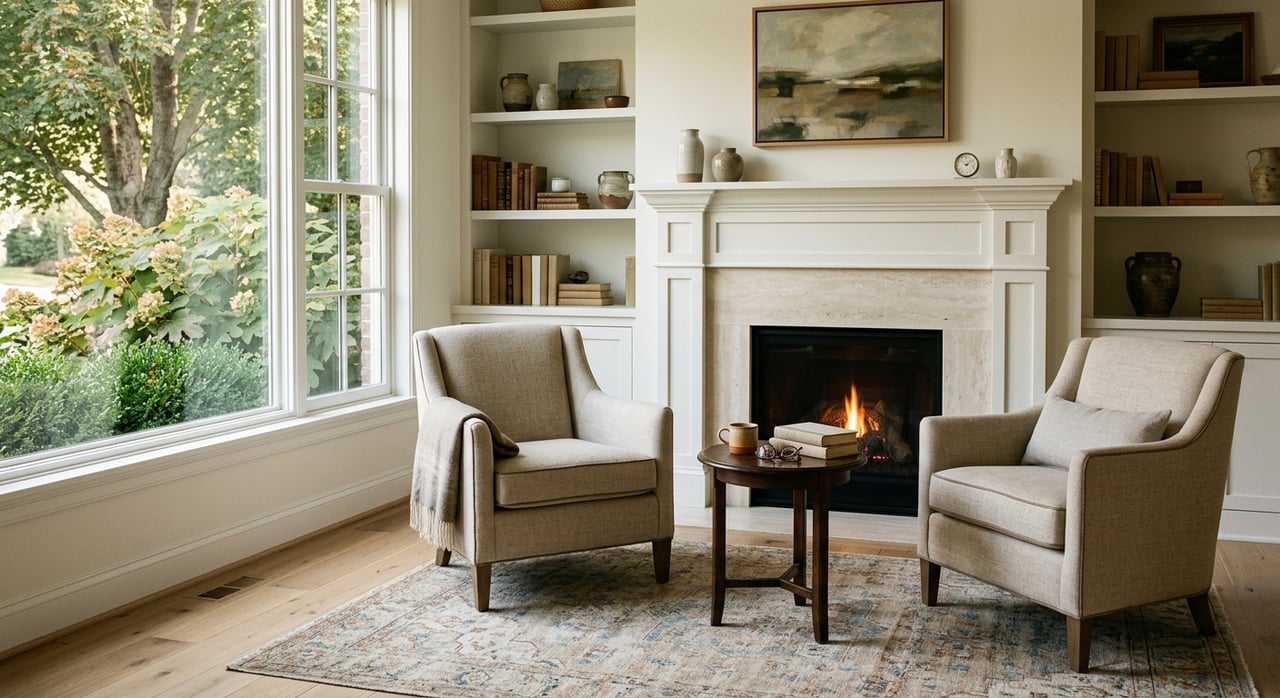
Instead of making a home feel generic, the goal is to make it feel edited, elegant, and true to itself. For a historic property, that may mean letting original millwork, fireplaces, wide-plank floors, or period proportions take the lead. For an estate home, it may mean clarifying how larger rooms live comfortably and beautifully today.
The rooms that deserve attention first
If you are deciding where to focus your effort, national staging data gives a useful starting point. The 2025 Profile of Home Staging found that the rooms most often staged were the living room, primary bedroom, dining room, and kitchen. Those are the spaces where buyers most often build an emotional picture of daily life.
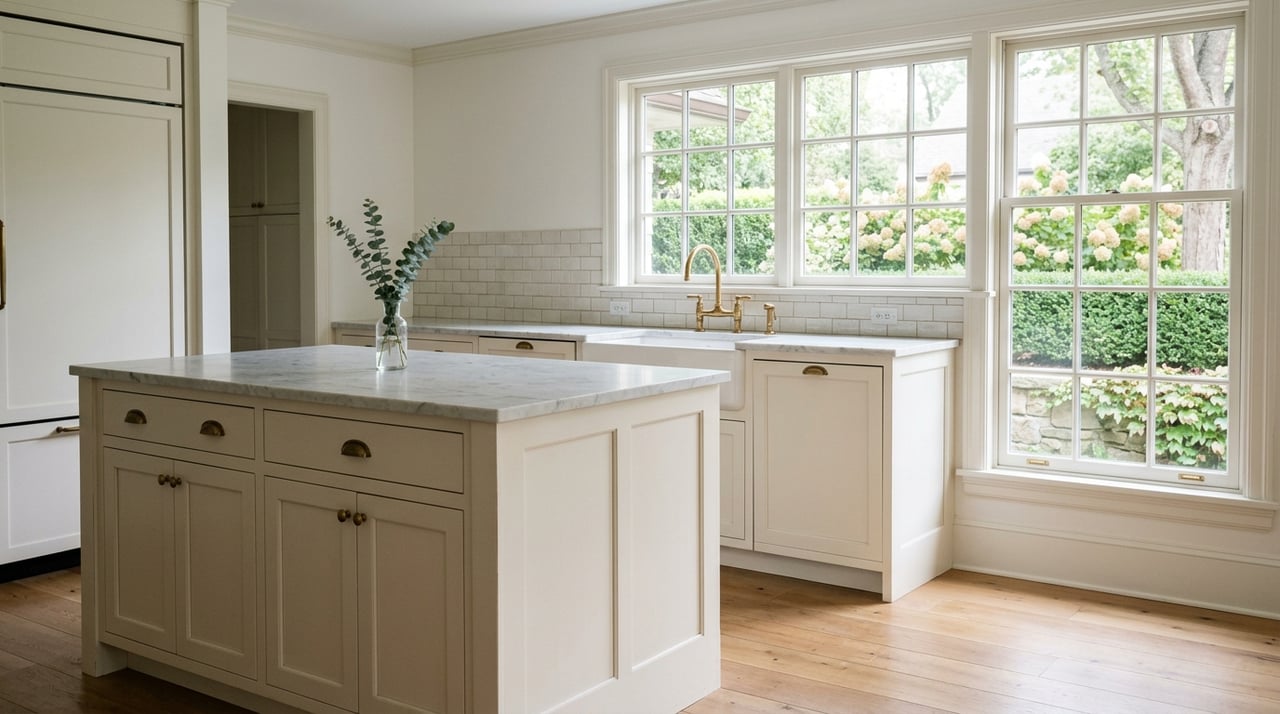
In Concord, these rooms often carry extra weight because they help explain the home’s style and lifestyle value. A living room may frame garden views, original architectural details, or gracious proportions. A dining room may communicate formality, warmth, or seasonal entertaining. A kitchen often acts as the bridge between historic charm and modern function.
Prioritize these spaces first:
- Living room: establish scale, seating flow, and natural focal points
- Primary bedroom: create calm, simplicity, and a sense of retreat
- Dining room: define purpose and proportion without overcrowding
- Kitchen: emphasize light, workspace, and connection to adjacent rooms
Secondary rooms still matter, but these core spaces usually do the heaviest lifting in both photos and showings.
Online presentation sets the tone
Most buyers meet your home on a screen before they ever step through the front door. NAR reported that 73% of buyers’ agents identified photos as the most important listing asset in the staging process, and a March 2026 NAR article found that 81% of buyers rated listing photos as the most useful feature during an online home search.
That matters in Concord because buyers are often comparing homes not only by size or price, but by atmosphere. They are reading visual cues about quality, care, and identity. If a listing feels inconsistent, crowded, or under-composed, buyers may move on before they ever schedule a visit.
Design-led staging supports photography by giving each room a clear story. It helps the camera capture purpose, balance, and mood. It also helps the first images in a listing create momentum, which is important when early views, saves, and shares can affect how much attention a property gets.
Photos and showings should tell the same story
One of the biggest missed opportunities in home presentation is creating a strong online impression that does not hold up in person. Buyers notice that gap quickly. The same NAR staging research found that many buyers expect homes to look like they were staged on TV, and many feel disappointed when the reality falls short.
The fix is not to over-style the house. The fix is alignment. Your photos, staging, and in-person showing experience should feel like one continuous narrative.
That means:
- arranging furniture to reflect how rooms actually function
- using styling that feels polished but not artificial
- keeping sightlines clean and consistent
- making sure light, texture, and scale read well both on camera and in person
When the digital introduction and the in-person visit match, buyers trust what they are seeing. That trust can translate into stronger interest and more confident offers.
Concord buyers respond to character
In Concord, provenance is often part of the value. Realtor.com’s neighborhood labels such as Main Street Historic District, American Mile, North Bridge Historic District, and Barrett Farm Historic District reflect how place identity shapes the market. Buyers are often responding to the story of the home and its setting as much as the square footage.
This is where design-led staging becomes especially effective. It acts as an interpretive layer. It helps buyers understand what is special about the home without overwhelming them with too much furniture, too many personal items, or décor that competes with the architecture.
For a village home, that may mean reinforcing intimacy, walkability, and period detail. For a larger estate property, it may mean connecting interior rooms to landscape, approach, and outdoor views. In either case, the presentation should support the home’s identity rather than flatten it.
Historic homes need a lighter hand
Concord is preservation-sensitive, and that should inform how you prepare your home for market. The Town of Concord says its Historic Districts Commission reviews certain exterior features visible from public streets in six historic districts, including exterior color changes, demolition or removal, signage, and other visible exterior work. The town’s guidance also emphasizes open settings, view corridors, stone walls, building scale, original materials, and village character.
For sellers, that creates a useful principle: reveal, do not over-correct. Historic homes usually benefit from a lighter, more disciplined staging approach. Buyers should be able to see craftsmanship, scale, and material authenticity without distraction.
That often means:
- removing furnishings that hide architectural details
- simplifying color and décor so original features stand out
- styling with restraint to preserve a sense of age and integrity
- checking local approval requirements before making exterior changes
If your home is in a historic district or subject to local review, it is wise to confirm what exterior work may require approval before starting cosmetic updates. In Concord, even well-meant changes can have review implications if they affect visible exterior features.
Landscape is part of the staging brief
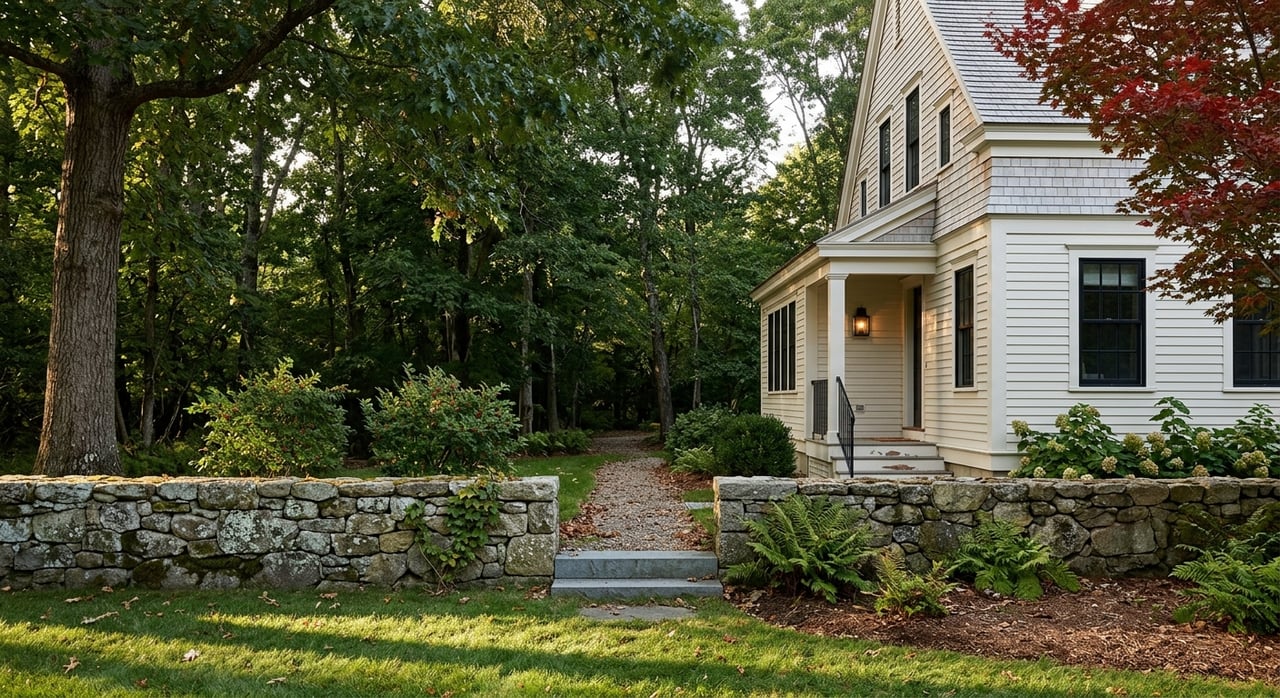
In many markets, staging focuses mostly on interiors. In Concord, the site itself often plays a larger role. Town preservation guidance makes clear that landscape, open setting, and view corridors are part of what gives properties their character.
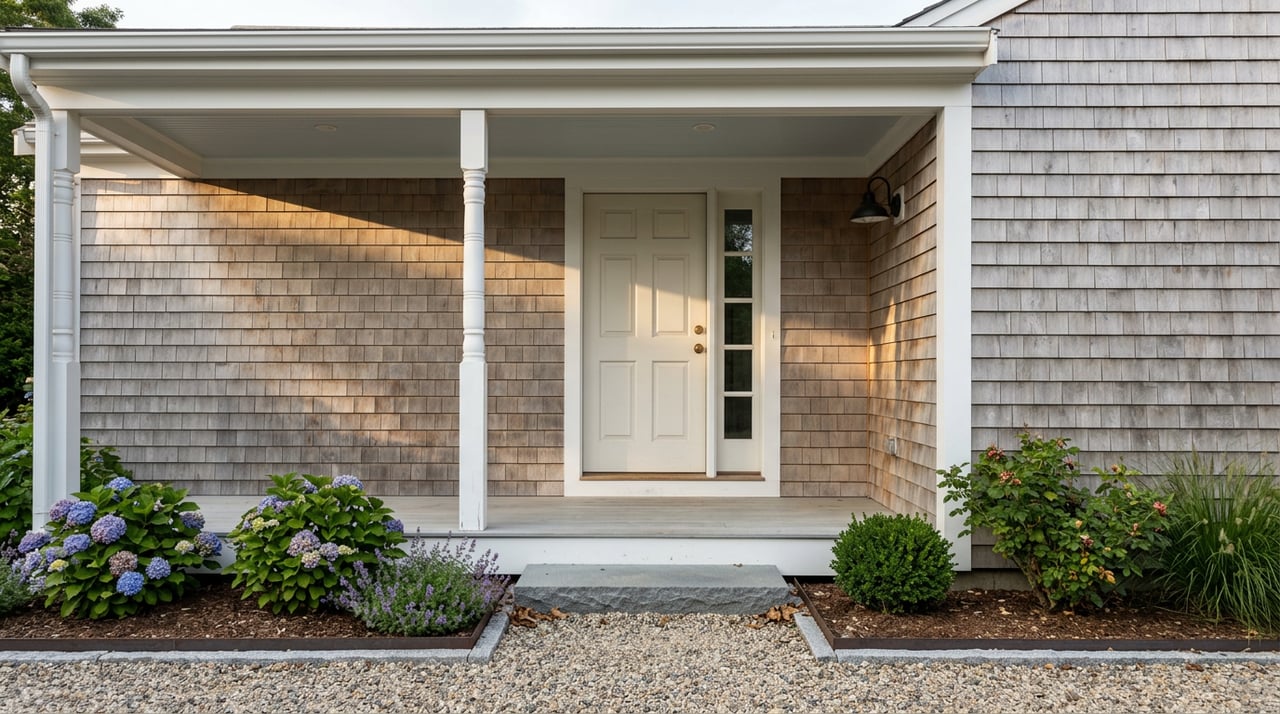
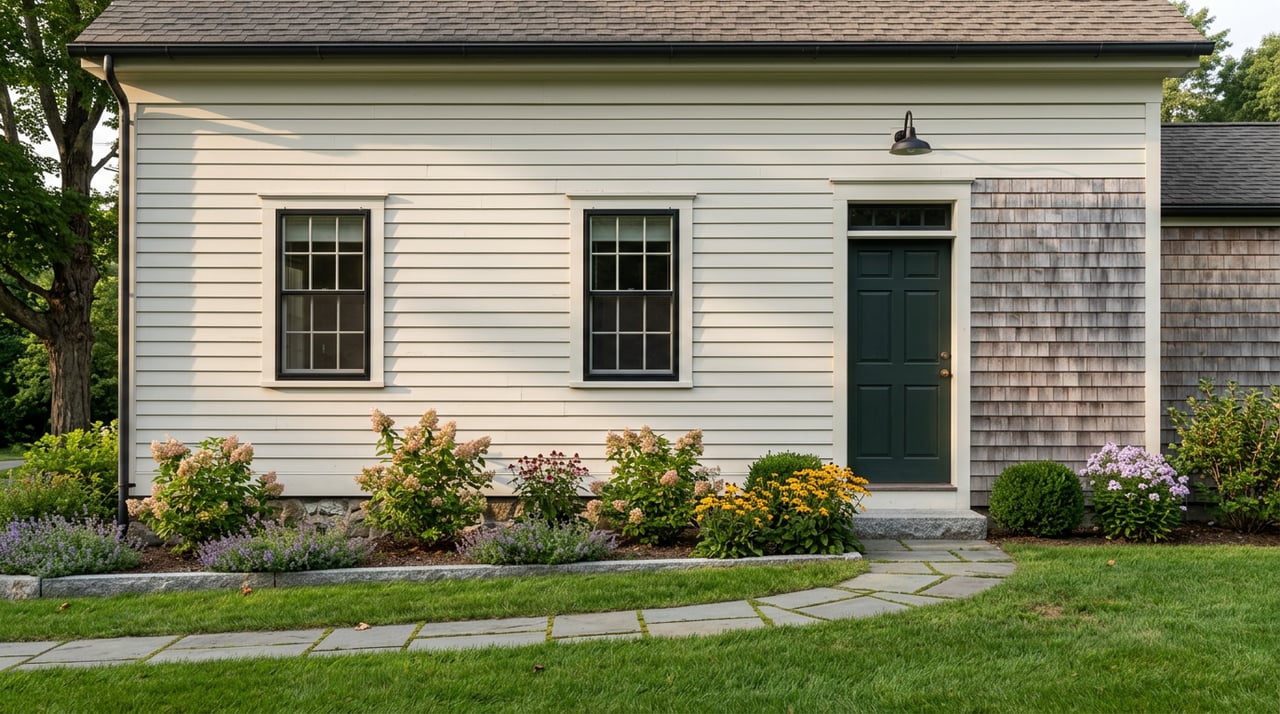
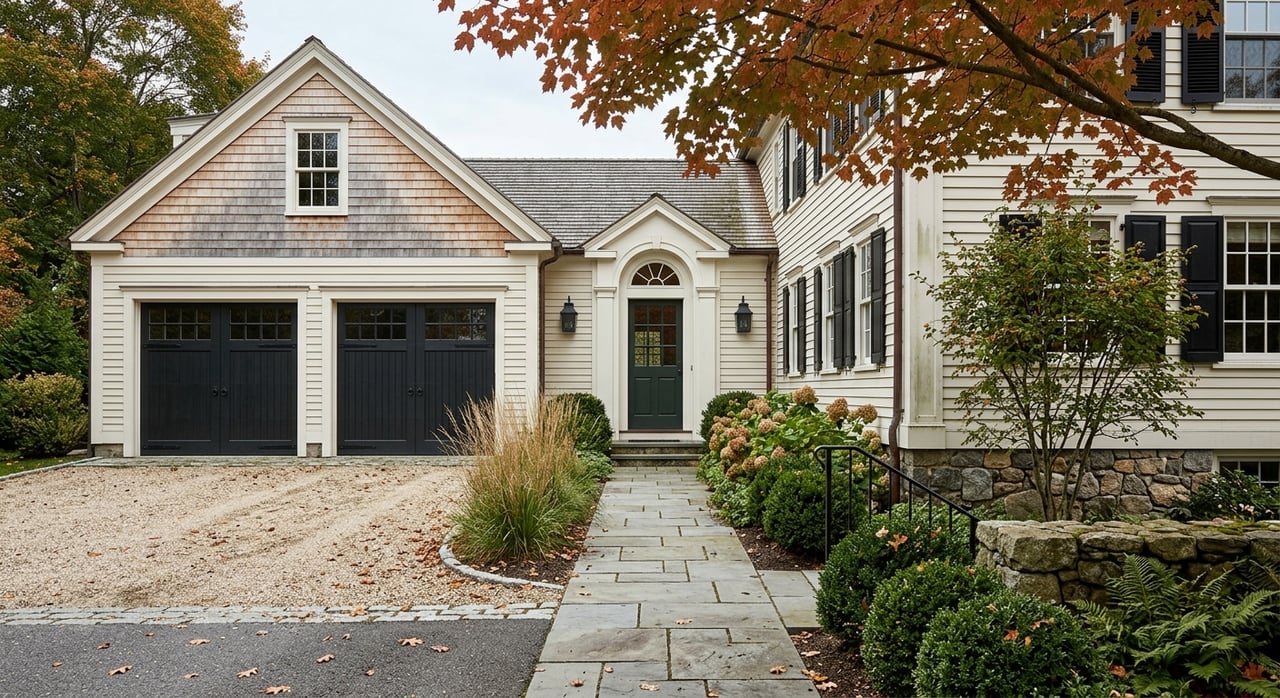
That means exterior presentation should be handled with the same care as interior rooms. Mature trees, stone walls, front approach, garden edges, and the visual relationship between house and land all contribute to how buyers perceive value. For estate homes especially, the arrival experience can frame the entire showing.
Before photography and showings, focus on the elements that support clarity and composure:
- clean and define the approach to the front entry
- edit outdoor furnishings so architecture remains the focus
- highlight important landscape features without making the grounds feel overdesigned
- preserve seasonal charm while keeping the property well-groomed
The goal is not perfection. The goal is to help buyers understand the setting and feel its appeal immediately.
Staging is an investment, not just an expense
Some sellers still think of staging as optional polish. The data suggests otherwise. NAR found that 83% of buyers’ agents said staging made it easier for buyers to visualize a property as a future home. The same report found that some agents saw staged homes increase offers by 1% to 5%, while 30% of sellers’ agents reported slight reductions in time on market.
NAR also reported a median spend of $1,500 when sellers used a professional staging service. In a market like Concord, where listing prices and buyer expectations are high, that cost is often better understood as part of price-positioning and presentation strategy.
The question is not simply whether to stage. It is whether your home is being presented in a way that supports its full value. In Concord, that usually means thinking about staging, photography, and marketing copy as one coordinated system.
What sellers should do before listing
If you are preparing to sell a Concord village or estate home, start with a plan that respects both the market and the property itself. Strong presentation usually comes from sequencing decisions well, not rushing into cosmetic changes.
A smart pre-listing approach often includes:
Identify the home’s strongest story Decide what buyers should remember most, whether that is architectural detail, village setting, grounds, light, or updated livability.
Stage the key rooms first Focus on the living room, primary bedroom, dining room, and kitchen before investing in lower-impact spaces.
Edit with purpose Remove visual noise, but preserve the details that communicate craftsmanship and character.
Coordinate staging with photography Make sure the home is styled for how it will actually be shot and experienced online.
Review exterior plans carefully If the home is in a historic district, confirm whether any visible exterior changes may need local review.
Keep the in-person experience consistent The showing should confirm the promise of the listing photos, not contradict it.
In Concord, homes often command attention because they offer a distinct sense of place. Design-led staging helps that value read clearly, especially when it is handled with restraint, local understanding, and respect for the home’s architecture.
When your presentation feels thoughtful rather than formulaic, buyers can see not just the house, but the life it offers. That is often what elevates a listing from simply attractive to truly compelling. If you are preparing to sell in Concord and want a presentation strategy grounded in design, stewardship, and market insight, connect with Hilary Bovey.
FAQs
Which rooms should you stage first in a Concord home?
- Start with the living room, primary bedroom, dining room, and kitchen, since these are the rooms buyers notice most often and where lifestyle value is usually communicated best.
How does staging help a historic Concord home?
- Staging helps buyers appreciate original details, room proportions, and overall character without distraction, especially when the design approach is restrained and respectful of the home’s age.
Does staging really matter if the Concord market is strong?
- Yes. Even in a strong market, buyers compare presentation closely, and polished staging can help your home stand out, support stronger interest, and reinforce value.
Should Concord sellers make exterior changes before listing?
- Possibly, but if your home is in one of Concord’s historic districts, you should check whether visible exterior changes may require review by the Historic Districts Commission.
Why do photography and staging need to work together for a Concord listing?
- Most buyers see your home online first, so staging and photography need to create a consistent, believable story that carries through from the first listing photo to the in-person showing.