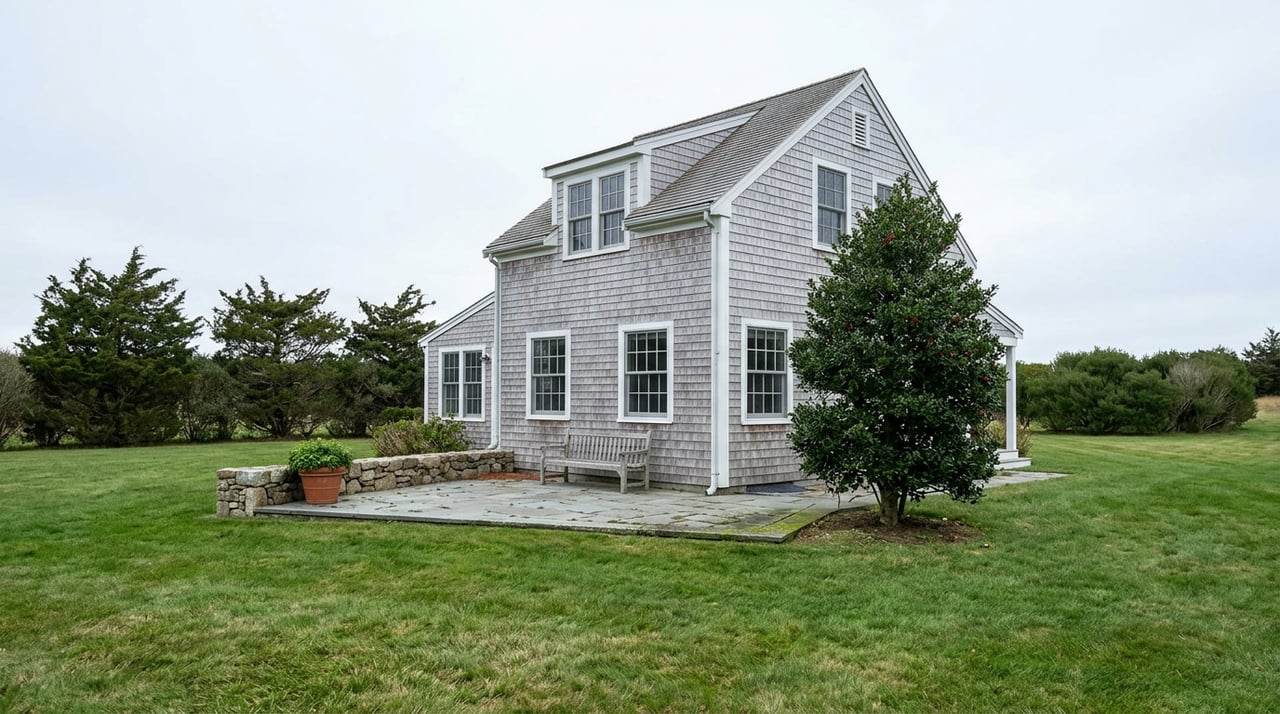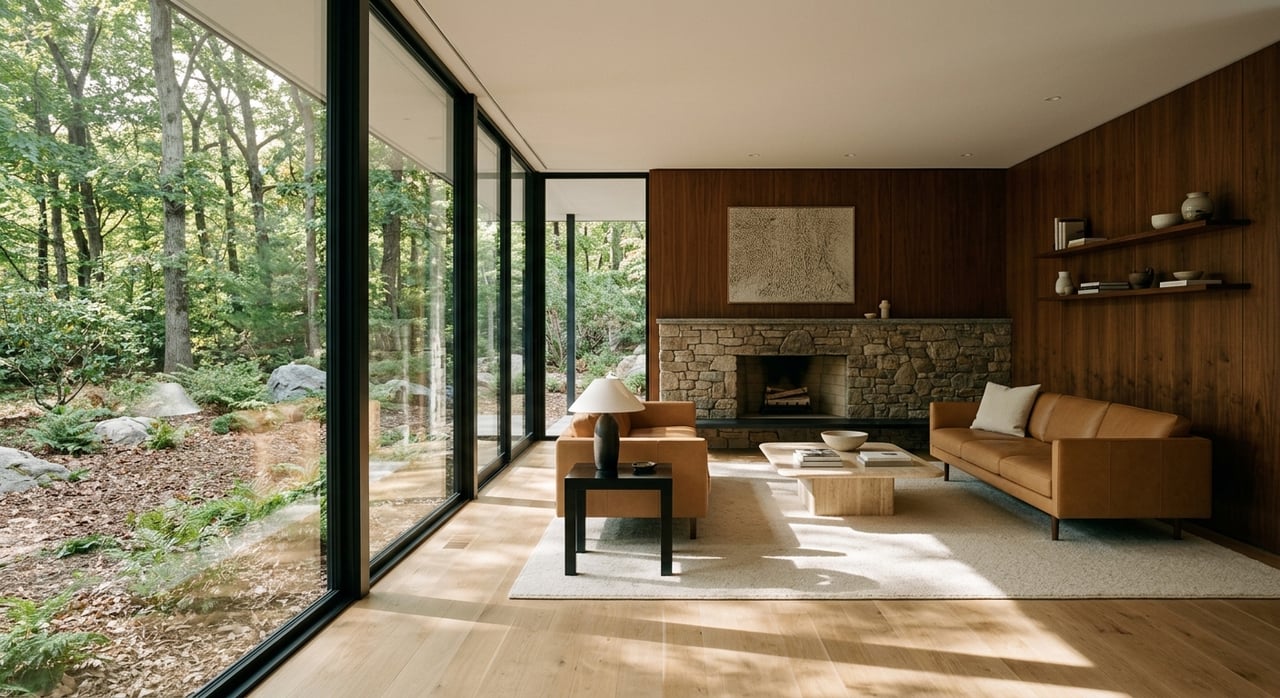
If you own a contemporary or mid-century home in Lincoln, you already know it is not a generic property. These houses often draw attention for their light, siting, and architectural clarity, but they also require a different selling strategy than a more conventional home. When you prepare and market them well, you can help buyers understand not just the square footage, but the design value behind it. Let’s dive in.
Why Lincoln Supports Modern Homes
Lincoln offers a setting that naturally complements contemporary and mid-century design. The town is known for its rural character, open space, and strong conservation identity, with about 1,600 acres of municipal conservation land and roughly 80 miles of trails across 2,400 acres of conservation land and private property.
That landscape is not just a backdrop. In Lincoln, modern homes were often designed to work with wooded lots, natural light, privacy, and long views. That connection between architecture and site is one reason these homes can stand apart in the local market.
Lincoln also has a notable place in Massachusetts architectural history. Local preservation sources note that the town has the largest concentration of Modern residential architecture in a Massachusetts town, with neighborhoods and homes dating from the 1940s through the 1960s.
For sellers, that matters. It means your home may appeal to buyers who are looking for architectural integrity, not just updated finishes.
Lincoln Pricing Requires Precision
Lincoln is a small, affluent market, and broad median numbers can be misleading. The U.S. Census Bureau reports a median owner-occupied home value of $1,208,200, while recent housing snapshots show a premium market with limited inventory. At the same time, local sold-price medians can swing sharply because the town has a small number of transactions.
That is especially important if you are selling a contemporary or mid-century home. A single townwide median does not tell the full story for architecture-driven properties, particularly in a community where scarcity and design pedigree can influence value.
Instead, your pricing strategy should focus on the factors that actually matter for this niche. Those often include:
- Architectural style and integrity
- Lot quality and privacy
- Relationship to conservation land or wooded surroundings
- Condition and quality of updates
- Original details, built-ins, and glazing
- Any known architect or builder pedigree
- Recent local comparable sales with similar design character
In other words, the goal is not to price your home like a generic house in Lincoln. The goal is to position it according to what makes it rare.
What Buyers Value Most
In Lincoln, buyers of contemporary and mid-century homes often respond to authenticity. Historic New England describes the design language associated with Walter Gropius and modernist work in the area as centered on simplicity, functionality, geometry, and beauty derived from materials rather than ornament.
That helps explain why original or sympathetic details can carry so much weight. Clean lines, honest materials, strong daylight, and a clear indoor-outdoor relationship often matter more than decorative upgrades that fight the architecture.
For your sale, this creates an important question: should you modernize further, or preserve what makes the house distinctive? In many cases, selective and sympathetic preparation is the better path.
Preserve the Architectural Intent
When sellers prepare a modern home for market, the best results often come from restraint. Rather than trying to make the house look like every other listing, you want to help buyers see the original vision and how comfortably it works today.
That means keeping sightlines open, reducing visual clutter, and letting the proportions of the rooms speak for themselves. Built-ins, window walls, natural materials, and transitions to outdoor spaces should feel visible and intentional.
Heavy cosmetic changes can dilute the very qualities that make a Lincoln modern home special. If a detail is part of the design language, preserving it may do more for perceived value than replacing it with a trend-driven finish.
This is where a design-forward selling approach can make a real difference. Thoughtful staging and presentation should support the architecture, not compete with it.
Use Staging to Clarify, Not Decorate
A contemporary or mid-century home usually does not need over-styling. It needs editing.
Furniture should be scaled to the space and arranged to show how rooms flow. Window lines should remain visible, and key architectural features should never be blocked by oversized pieces or too many accessories.
A restrained staging plan often works best, with attention to:
- Clear room function
- Open circulation paths
- Light, shadow, and view lines
- Texture over excess decoration
- A balanced mix of warmth and simplicity
The objective is to make the home feel elevated, calm, and architecturally coherent. In a town like Lincoln, that kind of presentation can help buyers connect emotionally with the home’s design story.
Tell the Outdoor Story Too
In Lincoln, the site is often part of the value proposition. The town’s planning materials describe scenic roads, stone walls, mature trees, woodland edges, and changing views as core parts of the built environment.
That means your marketing should not stop at the interior. Buyers need to see how the house sits on the land and how the outdoors extends the living experience.
Photography and marketing materials should capture features such as:
- Terraces and decks
- Paths through the property
- Preserved stonework
- Mature trees and wooded backdrops
- Privacy and setbacks
- Seasonal views and natural edges
If your home backs to conservation land or sits near trails, that may strengthen the lifestyle narrative. It should be described factually and clearly, while respecting Lincoln’s conservation framework and public access norms.
Premium Value Comes From a Clear Story
When a buyer asks why your home deserves a premium price, the answer should be specific. In Lincoln, that answer is often a combination of design scarcity, site quality, and preservation.
A strong premium narrative may include several elements working together. For example, a well-preserved modern home on a wooded lot with privacy, strong natural light, clean architectural lines, and direct visual connection to the landscape tells a very different story than a standard house with similar square footage.
That story becomes even stronger when your marketing explains the home's distinctive strengths in plain language. Buyers do not just need to be impressed. They need to understand what makes the property hard to replace.
Check Historic and Conservation Rules Early
Before you make exterior updates or pre-listing improvements, it is smart to confirm whether local rules could affect your plans. In Lincoln, homes in a local historic district may be subject to review for exterior alterations visible from a public way, and demolitions within the district are also reviewed under the town’s historic district bylaw.
The Historical Commission also notes Lincoln’s Demolition Delay Bylaw and Neighborhood Conservation District Bylaw. If you are considering window changes, façade work, or an exterior addition before listing, checking those requirements early can prevent delays.
Wetlands rules can also matter, especially for homes on wooded lots. Lincoln’s Wetlands Permitting guidance states that significant work in wetlands or buffer zones may require a Notice of Intent, engineered plans, abutter notification for landowners within 300 feet, and recording an Order of Conditions before building permits or site work can proceed.
That is one reason sellers should think carefully before rushing into landscape work, drainage improvements, patio changes, or tree removal. The right prep plan is one that supports the sale without creating avoidable permitting issues.
A Smarter Selling Approach for Lincoln
Selling a contemporary or mid-century home in Lincoln is rarely about making it look more ordinary. More often, it is about presenting it with discipline, respecting its design, and pricing it with nuance.
In a town with a small housing base, premium price points, and a rich modernist legacy, buyers often respond to homes that feel authentic and thoughtfully prepared. When your strategy highlights architecture, setting, and lifestyle in equal measure, your home is more likely to attract the right attention.
If you are considering a sale, a design-led plan can help you decide what to preserve, what to refine, and how to present the property so buyers understand its full value. For thoughtful guidance on selling an architecturally significant home in Lincoln, connect with Hilary Bovey.
FAQs
How should you price a contemporary or mid-century home in Lincoln?
- You should rely on architecture-specific comparable sales, site quality, condition, and rarity rather than a single townwide median, since Lincoln’s small number of sales can make broad market data less reliable.
Should you update original features before selling a Lincoln mid-century home?
- In many cases, selective and sympathetic preparation is better than heavy cosmetic changes, especially when original details support the home’s architectural intent.
What photos matter most when marketing a modern home in Lincoln?
- The strongest listing photography usually highlights light, proportion, glazing, built-ins, interior sightlines, and the home’s relationship to wooded lots, terraces, stonework, and outdoor spaces.
Do historic district rules affect sellers in Lincoln?
- Yes, if your home is in a local historic district, certain exterior changes visible from a public way may be reviewed, so it is wise to confirm requirements before making pre-listing improvements.
Can wetlands rules affect pre-sale property work in Lincoln?
- Yes, work near wetlands or buffer zones may require local permitting steps, including plans, notifications, and recorded approvals, depending on the scope and location of the work.