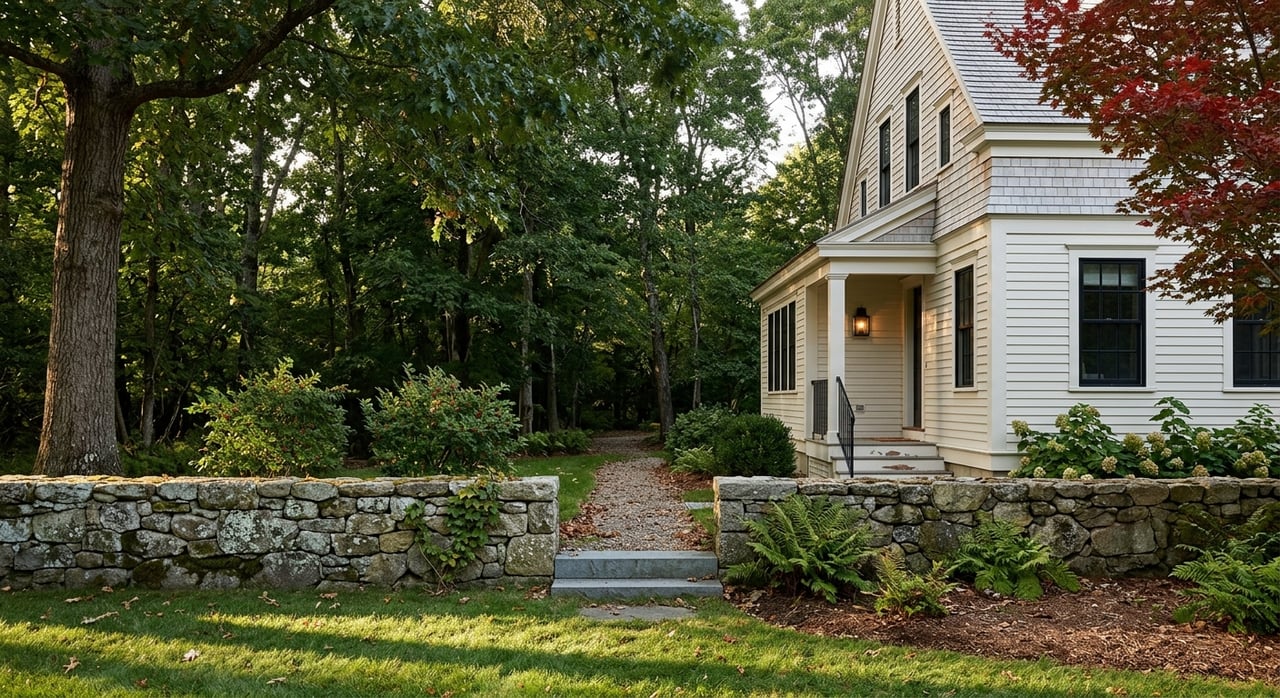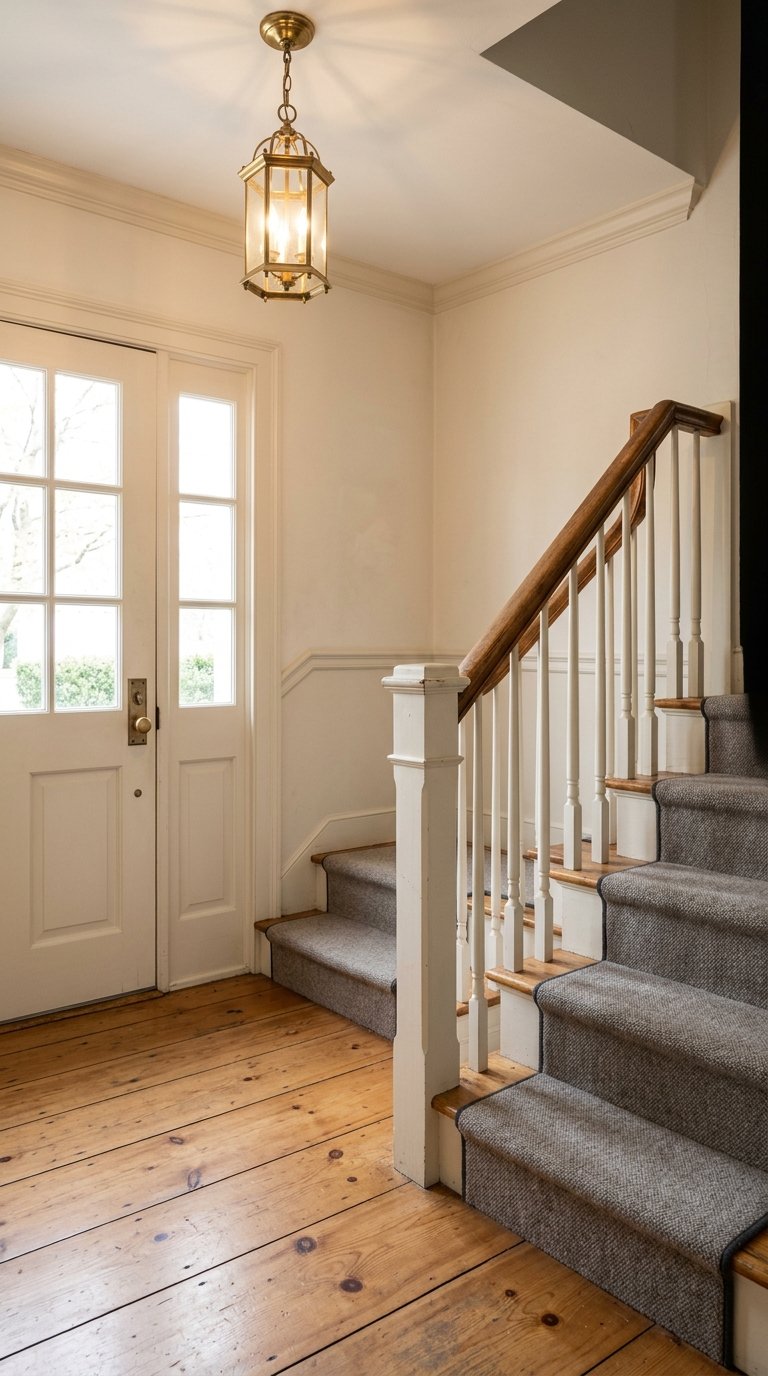
Buying a historic home in Concord can feel a little like stepping into a story. You may be drawn to the original windows, the graceful rooflines, the old chimneys, or the sense that the house has evolved over generations. At the same time, you want to know what you are really buying, what changes may be possible, and how to protect both your investment and the home’s character. This guide will help you understand how Concord’s historic homes work, what due diligence matters most, and how to plan updates with confidence. Let’s dive in.
Why Concord historic homes stand apart
Concord has an unusually rich collection of historic homes, shaped by six local historic districts: American Mile, Barrett Farm, Church Street, Hubbardville, Main Street, and North Bridge/Monument Square. The town describes these districts as part of the living historic fabric of village areas, rural roads, and nearby neighborhoods.
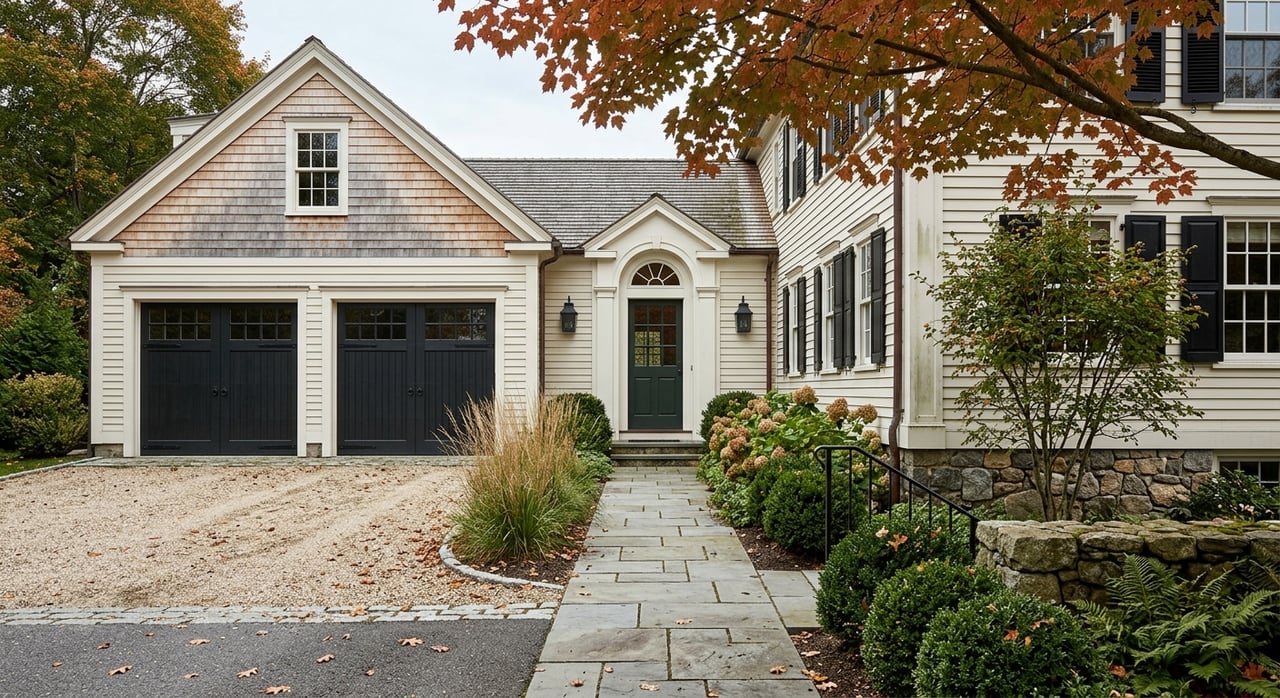
That matters because a historic home in Concord is rarely a frozen time capsule. Town guidance notes that many houses are eclectic, transitional, or altered over time. In practical terms, that means the home you buy may include features from more than one architectural period, along with additions or updates made by previous owners.
Concord’s historic housing stock includes Colonial, Georgian, Federal, Greek Revival, Italianate, Gothic Revival, Mansard, Colonial Revival, Queen Anne, Shingle Style, Stick Style, and other Victorian-era forms. Especially in areas like the Main Street district, you will often see several styles represented within a short distance.
What “historic” often means in Concord
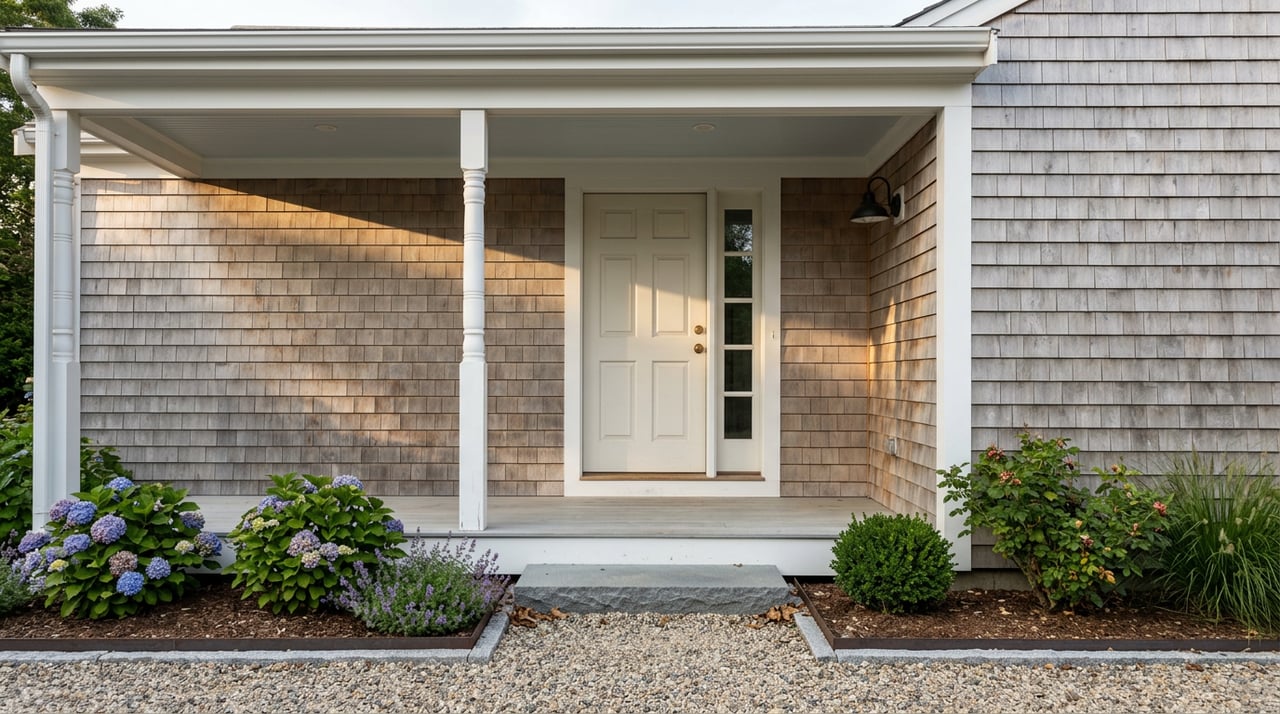
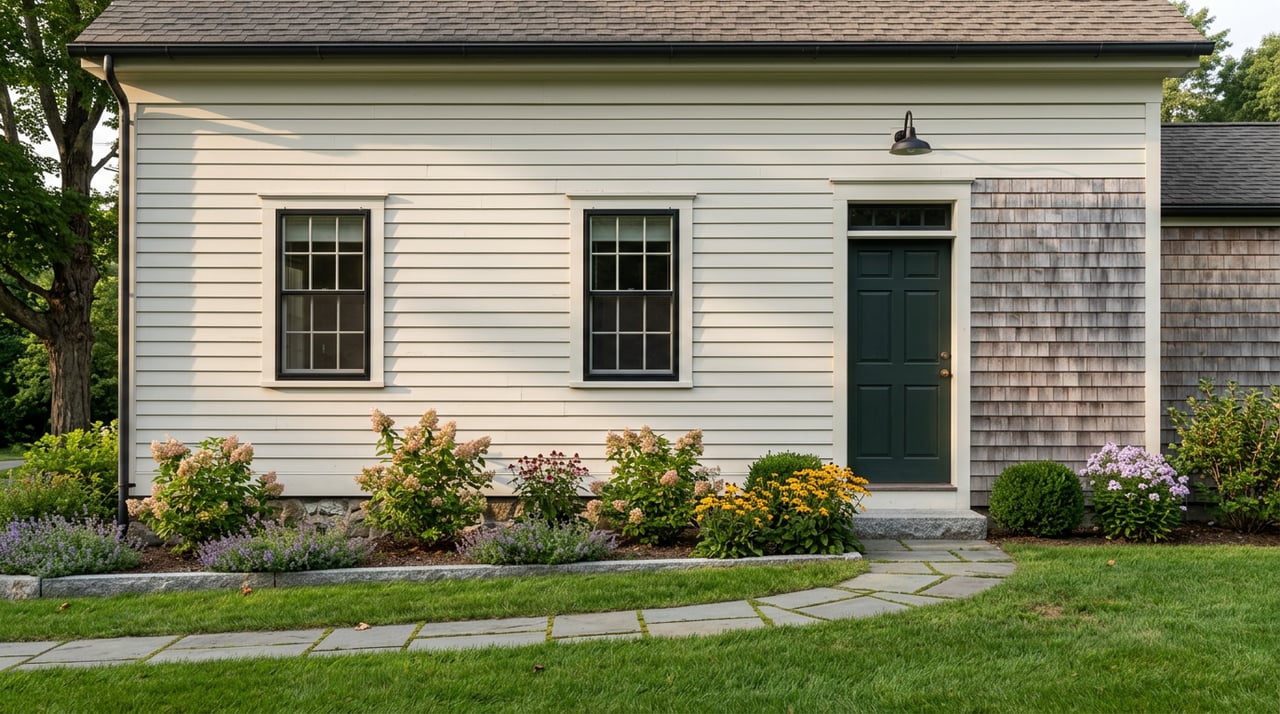
In Concord, historic charm usually lives in the details. Original or older windows, porches, chimneys, siding, masonry, foundations, roof shapes, and site features often carry much of a home’s visual identity.
The town’s design guidelines place strong emphasis on preserving these features where possible. Historic windows are typically expected to be retained and repaired rather than replaced outright. Porches, original masonry, siding, and chimney massing are also treated as important parts of a building’s character.
You should also expect that many older homes have grown over time. Concord’s guidance treats additions as a normal part of a historic home’s life, provided they remain secondary to the main building and stay compatible in scale, materials, and overall character.
That layered history can be part of the appeal. A thoughtful buyer sees not just age, but the record of how a house has adapted over time.
Start with district status
Before you make an offer, confirm whether the property is inside one of Concord’s six historic districts. This is one of the most important early steps because district status can affect what exterior work may need review.
If a home is in a local historic district, exterior changes visible from a public street, way, or place may require a certificate of appropriateness from the Historic Districts Commission. That can include exterior color changes, new construction, demolition, and signage.
Ordinary maintenance and repair are exempt. Still, if you are buying with plans to make visible exterior changes, you will want clarity on the review process before moving ahead.
Understand what the Historic Districts Commission reviews
Concord’s Historic Districts Commission focuses on exterior appropriateness, not the interior layout of your home. The commission considers factors such as historical and literary value, design, materials, size, shape, massing, landscaping, neighboring sites, and applicable zoning.
If you plan to apply for approval after closing, the process may require plans, elevations, specifications, material samples, and photographs. That means early planning matters, especially if your vision includes visible additions, equipment, or exterior material changes.
It is also important to know that the building inspector cannot issue a permit for new construction or demolition in a local historic district until the historic-district approval is in place. For many buyers, this means renovation timelines should allow for both standard permit review and separate historic review.
Research the house before you commit
Historic-home due diligence in Concord often goes beyond a standard property file. The town notes that building permits were first issued in 1928, so permit history for older houses may be limited.
Because of that, reconstructing a property’s history may require more than one source. Concord recommends research tools such as MACRIS, the town GIS historic layer, historic maps, deed records, the Concord Enterprise archive, and Concord Free Public Library Special Collections.
This kind of background work can help you understand when additions may have been made, how the home changed over time, and whether certain features are likely original or later alterations. It can also give valuable context if you hope to restore or update the home in a way that respects its evolution.
Key due diligence items for older homes
A historic home purchase is not just about aesthetics. It is also about understanding age-related systems, regulations, and future project requirements.
Here are several issues to review closely:
- Lead paint rules: For homes built before 1978, Massachusetts and federal rules require property-transfer lead paint notification. If future renovation work will disturb lead-based paint, lead-safe work practices and certified firms or renovators are required. Massachusetts also imposes stricter obligations when a child under 6 will live in a pre-1978 home.
- Septic systems: If the property uses a private septic system, MassDEP advises buyers and sellers to have the system inspected. Title 5 rules can apply at transfer.
- Permit pathways: Concord’s Building Division enforces the Massachusetts Building Code, Architectural Access Board regulations, local zoning and sign bylaws, and Massachusetts electrical, plumbing, and gas codes. For a historic property, future work may involve more than one layer of approval.
If the property has visible site elements such as a septic mound, that can matter too. Concord’s guidelines treat visible septic mounds as reviewable structures and encourage placement in the least prominent location possible, screened from view when feasible.
How to think about updates
The most useful mindset for a Concord historic home is usually rehabilitation, not reinvention. Rehabilitation means making a home work for modern living through repair, alterations, and additions while preserving the materials and features that give it historic value.
That approach fits both national preservation guidance and Concord’s local design standards. In plain terms, the goal is not to stop a house from evolving. It is to help it evolve in a way that remains compatible with its existing character.
For buyers, this is often good news. You do not have to choose between charm and comfort. You do, however, want a plan that respects what makes the property special.
Prioritize repairs in the right order
When buyers picture renovations, they often start with kitchens, baths, or decorative finishes. With an older home, the smarter sequence usually begins elsewhere.
Concord’s design guidance puts strong emphasis on durability and envelope protection. Roofs, gutters, drainage, windows, and foundations all play a major role in preserving both the house and the details that define it.
A practical order of operations often looks like this:
- Address water management and drainage.
- Protect the roof, foundation, masonry, and siding.
- Repair character-defining features such as windows, porches, and chimneys.
- Plan larger additions or energy upgrades only after the basics are stable.
This sequence can help you avoid spending on finish work before the building itself is properly protected.
Be careful with replacement choices
One of the biggest mistakes in older homes is replacing too much, too quickly. Concord’s guidelines consistently favor repair over wholesale replacement when historic materials and features can still be retained.
That is especially true for windows, siding, masonry, porches, and roof forms. The town also warns against vinyl and aluminum replacements, synthetic stucco, and additions that are oversized or too visible.
If you are weighing an update, ask a simple question first: can this be repaired in kind rather than replaced with something new? In many historic homes, that choice supports both long-term character and stronger resale appeal.
Modern upgrades still need careful placement
Historic homes can absolutely support modern living, but placement matters. Concord’s guidelines allow solar and other modern equipment on a case-by-case basis, with attention to visibility, roof-line compatibility, and screening.
The same placement logic applies to rooftop or ground-mounted mechanical equipment. The goal is generally to keep these elements out of prominent front-facing views and to document the proposal clearly.
For buyers, this means your wish list may still be possible, but success often depends on thoughtful design and early review rather than a quick install.
A design-minded approach pays off
In Concord, the best historic-home updates tend to feel calm, compatible, and well considered. They do not erase age. They support it.
That is one reason a design-minded buying strategy can be so valuable. When you understand which details matter most and how the town evaluates changes, you can make better decisions from the start, whether you are assessing a property’s potential or planning improvements after closing.
A historic home should live well today, but it should also keep the visual story that made you fall in love with it in the first place.
If you are considering a historic home in Concord, the right guidance can make the process feel far more manageable. From evaluating a property’s potential to understanding how character, updates, and approvals fit together, working with a local advisor who values both design and due diligence can help you move forward with clarity. To start the conversation, connect with Hilary Bovey.
FAQs
What should you check before buying a historic home in Concord?
- Confirm whether the property is in one of Concord’s six local historic districts, review likely approval needs for exterior changes, research the property’s history, and investigate older-home issues such as lead paint, septic status, and permit requirements for future work.
Do exterior renovations on historic homes in Concord need approval?
- If the home is in a local historic district, exterior changes visible from a public street, way, or place may require a certificate of appropriateness from the Historic Districts Commission, while ordinary maintenance and repair are exempt.
Are Concord historic homes usually original throughout?
- No. Concord’s own preservation guidance notes that many historic homes are layered properties that have been altered over time, often combining features from different architectural periods.
How should you plan updates for a Concord historic property?
- Start with water management, roof, foundation, masonry, siding, and windows before moving to larger additions or modern upgrades, and aim for repairs and new work that remain compatible with the home’s historic character.
Where can you research the history of a Concord historic home?
- Concord recommends using MACRIS, the town GIS historic layer, historic maps, deed records, the Concord Enterprise archive, and Concord Free Public Library Special Collections, especially since permit records for older homes may be limited before 1928.