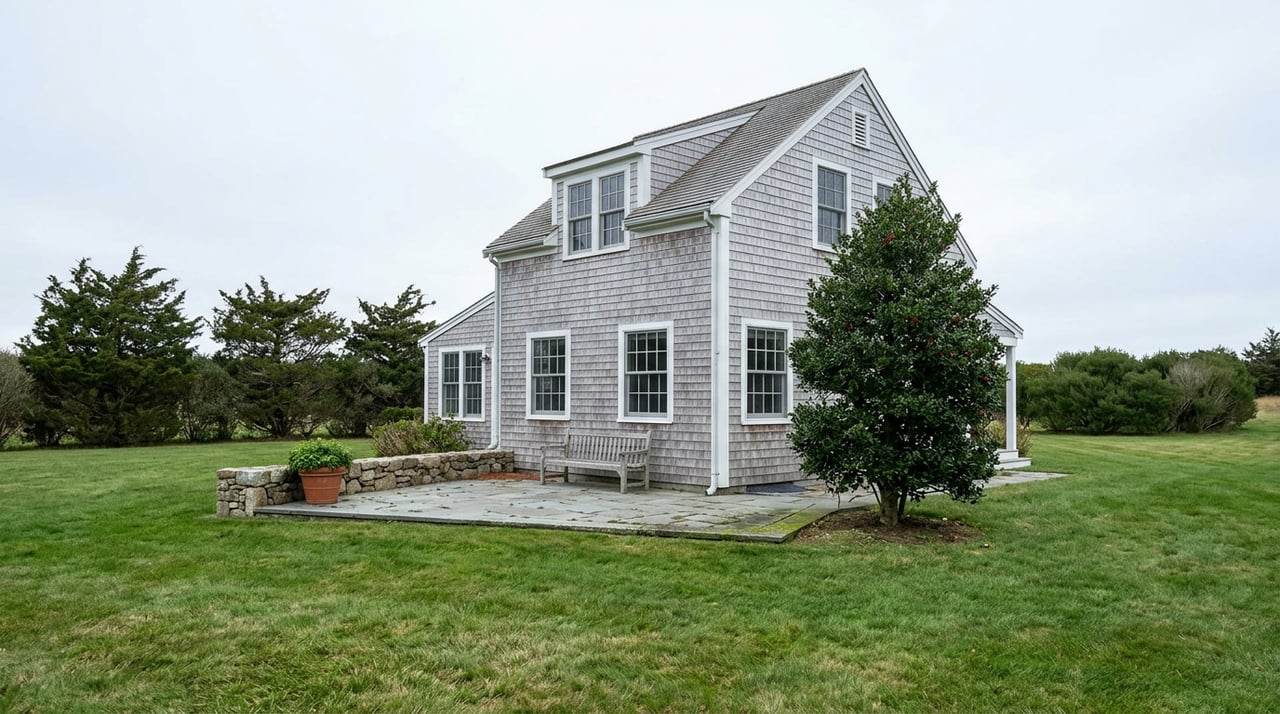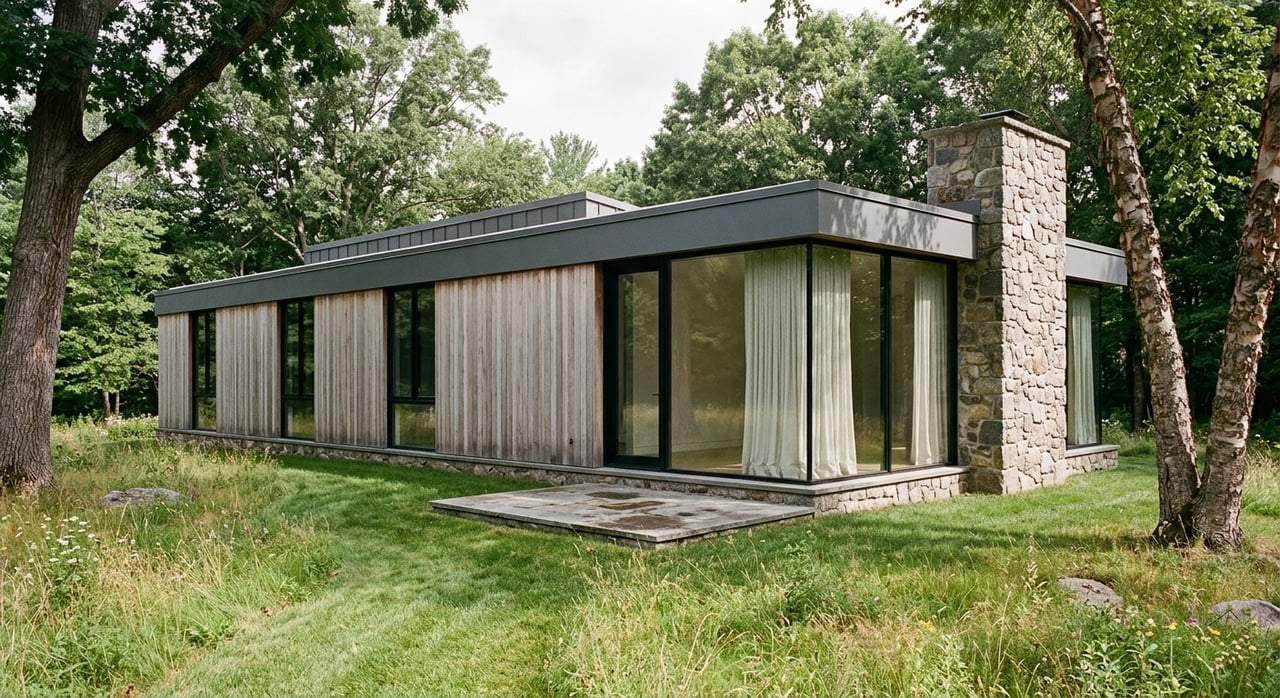
If you are looking for a town that feels quietly set apart, Lincoln may stand out right away. It offers a rare mix of protected land, thoughtful design, and a village rhythm that feels more grounded than busy. For buyers and sellers alike, understanding that balance is the key to understanding what makes this market so distinct. Let’s dive in.
Why Lincoln Feels Different
Lincoln’s identity starts with land conservation. Town materials say roughly 35% of Lincoln, or about 5 square miles, is protected by permanent conservation deed or restriction, and residents enjoy more than 80 miles of trails.
That shapes everyday life in a very real way. Instead of feeling tightly built out, many parts of town read as wooded, open, and intentionally preserved. Scenic roads, working farms, wetlands, and forests are all part of the setting.
The Conservation Department also manages about 1,600 acres of municipal conservation land. The trail network is multi-use, which means you may see walkers, runners, bicyclists, birders, skiers, snowshoers, horses, dogs, and even farm equipment sharing the landscape.
Lincoln Modernism And Design
Lincoln is not just a classic rural New England town. It also has a strong modernist legacy that gives the local housing story unusual depth.
Historic New England describes the 1938 Gropius House as a blend of New England materials and modern industrial details. Nearby Woods End Road is a local historic district with three other Modern buildings by Walter Gropius, Marcel Breuer, and Walter Bogner.
Historic New England also notes that Lincoln has more than sixty mid-century Modern structures. For a small suburban community, that is a remarkable concentration, and it gives design-minded buyers a clear reason to pay attention.
The town supports that architectural culture through its Historical Commission and Historic District Commission. Their work helps preserve significant buildings while encouraging design that fits thoughtfully with Lincoln’s development pattern.
What Daily Life In Lincoln Looks Like
Lincoln tends to feel civic, local, and outdoors-oriented rather than commercial. If you want a place where community institutions still matter, that can be part of the appeal.
The town’s village-center planning focuses on the area around Lincoln Station and the Mall. Lincoln has long pursued a compact, walkable center with more housing choices near transit, goods, and services.
There is also an unusual layer of local stewardship here. The town notes that the Rural Land Foundation owns and operates the Mall at Lincoln Station for residents’ benefit, which helps explain why the commercial core feels community-scaled instead of strip-mall driven.
Lincoln Public Library is one of the town’s key anchors. Bemis Hall has hosted the Bemis Free Lecture Series since 1892, and local institutions include groups such as Friends of Modern Architecture/Lincoln.
Taken together, these details point to a town culture that values lectures, conservation, architecture, and local gathering spaces. You are not moving here for a large nightlife district. You are moving here for a quieter, more intentional daily rhythm.
Outdoor Life: Meadows, Trails, And Farms
In Lincoln, outdoor life is woven into the town rather than confined to a single park. The mix of trails, farms, and preserved land makes recreation feel like part of the local routine.
You can see that in the range of places people know and use. deCordova Sculpture Park and Museum includes a 30-acre park with more than 60 modern and contemporary works, blending outdoor activity with art.
Drumlin Farm combines a working farm, wildlife sanctuary, trails, and a farm stand and CSA. Codman Community Farms operates an 18-acre main farm in the center of town, plus more than 150 additional acres elsewhere in Lincoln and nearby Concord.
That combination gives Lincoln a very specific feel. It is outdoorsy, but not in a high-intensity recreation sense. It is cultural, but not formal. It is a place where art, agriculture, and open land naturally overlap.
Homes And Settings In Lincoln
Lincoln’s land-use pattern suggests a few broad residential settings. While every property is different, the town’s layout gives buyers and sellers a helpful framework.
Village Homes Near The Center
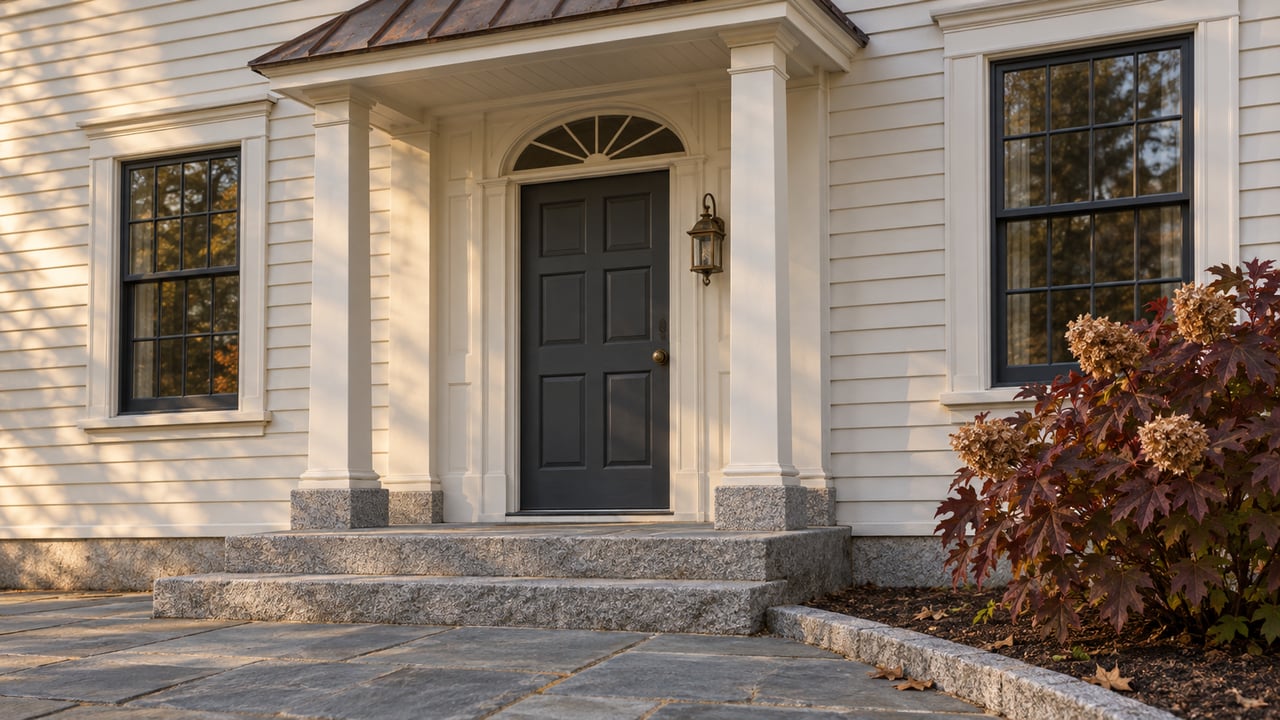
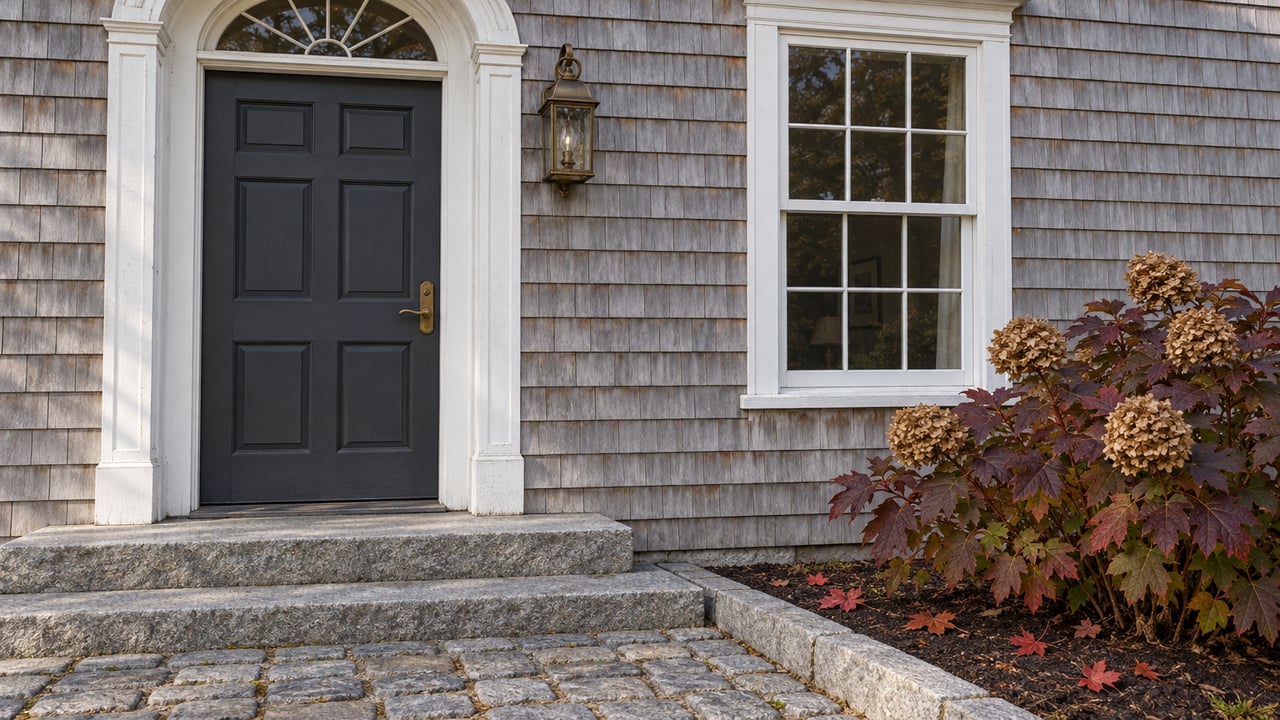
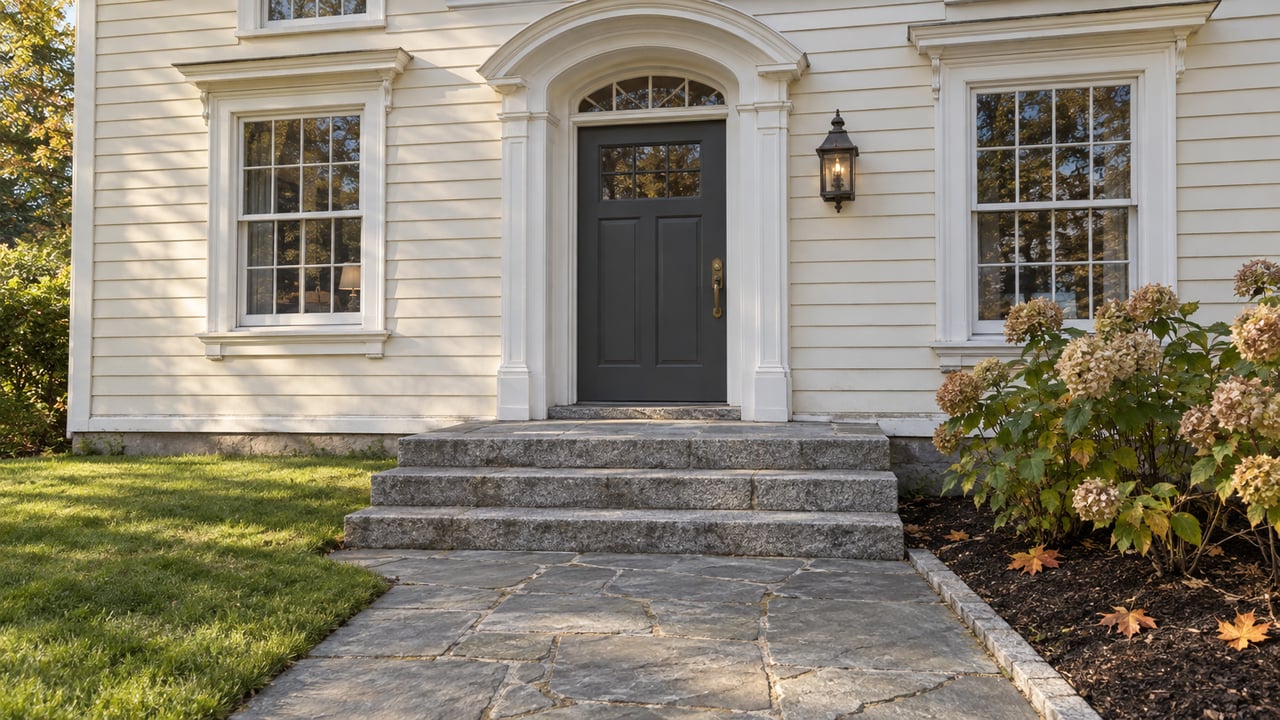
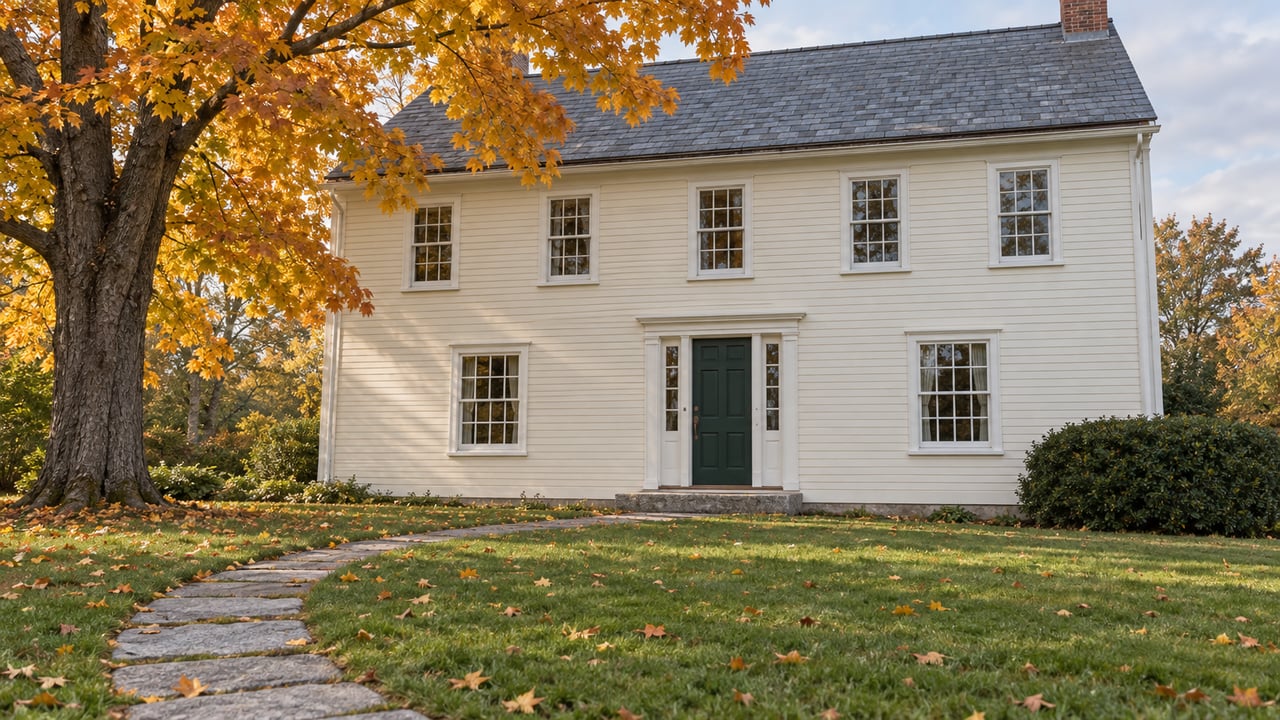
Near the civic core, you will find homes that connect more directly to the village setting. These properties may appeal to buyers who want proximity to Lincoln Station, the library, local services, and community institutions.
Modernist Homes And Wooded Enclaves
Lincoln’s modernist identity is especially relevant in areas connected to Gropius House and Woods End Road. In these settings, architecture, light, siting, and the relationship between home and landscape often play a central role.
Larger Lots And Farm-Adjacent Settings
Other parts of Lincoln are defined more by open land, wooded surroundings, and a strong sense of privacy. In these areas, the landscape is often as important as the house itself.
What Buyers Should Know About Lincoln
If you are considering Lincoln, it helps to think beyond the usual suburban checklist. The appeal here is often less about convenience in the shopping-center sense and more about privacy, mature landscape, architectural character, and a village center that provides structure without dominating the experience.
This can be especially meaningful if you value design, stewardship, and a calmer setting. Lincoln offers a lifestyle where trails, conserved land, and civic institutions shape the day-to-day experience.
It is also helpful to understand that context matters here. Preservation rules, historic-district oversight, conservation priorities, and farm stewardship all point toward a market where a property’s surroundings and compatibility with the landscape carry real weight.
What Sellers Should Highlight
For sellers, Lincoln rewards thoughtful presentation. Buyers drawn to this town are often responding to more than square footage alone.
Site, light, views, materials, and the relationship between the house and the land may all deserve careful attention. In a setting like Lincoln, those elements can help buyers understand not just what a home is, but how it lives.
That is especially true for architecturally notable, historic, or landscape-driven properties. A calm, design-aware presentation can help tell the story in a way that feels true to the home and to the town itself.
Why Lincoln Draws A Certain Buyer
Lincoln tends to attract people who want room to breathe and a setting with character. Some are drawn to the conservation ethic, some to the modernist architecture, and others to the understated village atmosphere.
What they often share is a preference for quality over bustle. They want a home that feels connected to its site, and a town that values land, design, and civic life.
That makes Lincoln one of the more distinctive communities in Middlesex County. It is not trying to be everything at once, and that clarity is part of its appeal.
If you are considering a move to Lincoln, or preparing to sell a home here, a thoughtful local strategy matters. Hilary Bovey brings a design-led, highly personalized approach to helping clients understand and present distinctive New England properties.
FAQs
What is everyday life like in Lincoln, MA?
- Lincoln has a small-scale, civic feel centered around the village area near Lincoln Station, with local institutions like the library, Bemis Hall, farms, trails, and conservation land shaping daily life.
How rural does Lincoln, MA feel?
- Town materials emphasize rural character, open space, farms, forests, and wetlands, with roughly 35% of the town protected by permanent conservation deed or restriction.
Is Lincoln, MA known for modern architecture?
- Yes. Lincoln includes the Gropius House, the Woods End Road local historic district, and more than sixty mid-century Modern structures townwide.
Are there trails and outdoor activities in Lincoln, MA?
- Yes. Lincoln residents enjoy more than 80 miles of trails, and the multi-use system supports walking, running, bicycling, birding, skiing, snowshoeing, horseback riding, and more.
What kinds of homes can you find in Lincoln, MA?
- Lincoln’s housing settings generally include village homes near the center, modernist homes in wooded areas, and larger-lot or farm-adjacent properties where the landscape is a major part of the appeal.