If you are getting ready to sell in Acton, you are stepping into a market that moves fast and rewards preparation. In a town where homes often attract multiple offers and sell in just a few weeks, buyers notice the details quickly. The good news is that you do not need to over-renovate to compete well. You need a smart plan that helps your home show clearly, feel well cared for, and launch with confidence. Let’s dive in.
Understand today’s Acton market
Acton is a competitive seller’s market by current measures. Homes receive about four offers on average, sell in around 19 days, and often close about 2% above list price. The Town of Acton’s 2026 Community Preservation Plan also notes that the median sales price of a single-family home in 2024 was $952,500.
That kind of market creates opportunity, but it also raises expectations. Buyers moving through Acton are often comparing homes carefully, especially in a town with high owner occupancy and strong home values. In practice, that means polished presentation, clear condition, and thoughtful pricing can matter just as much as location.
Focus on repairs that buyers will notice
Before you think about major upgrades, start with what is visible and functional. Acton’s housing planning documents note that a meaningful share of homes were built in 1959 or earlier, which means deferred maintenance and aging systems can affect how a property is perceived. Buyers tend to respond best when a home feels cared for from the start.
The smartest pre-list work is usually practical, not flashy. If you fix the items that suggest ongoing upkeep, buyers are less likely to assume bigger hidden problems.
Prioritize maintenance first
Start with the basics that influence first impressions and inspection results:
- Repair dripping faucets, loose hardware, sticking doors, and cracked trim
- Replace burned-out bulbs and make sure lighting feels bright and even
- Touch up worn paint in a consistent, neutral palette
- Service HVAC or heating systems if maintenance is overdue
- Address visible exterior wear such as damaged steps, railings, or peeling surfaces
- Clean gutters, windows, walkways, and landscaping edges
These updates may seem simple, but they signal that the property has been responsibly maintained. In a fast-moving market, that reassurance can help your home stand out early.
Consider low-cost comfort upgrades
Acton planning documents also emphasize sustainability, resilience, and modernization of older systems. If you have made real improvements that support comfort or efficiency, those can be worth highlighting. Examples might include updated insulation, newer windows, improved heating equipment, or other practical system upgrades.
The key is authenticity. Buyers appreciate improvements that are documented and useful, especially when they support everyday comfort rather than just surface appeal.
Check local compliance issues early
One of the best ways to protect your timeline is to identify any local or state requirements before your home goes live. In a competitive market, delays can create stress at exactly the wrong moment. Early preparation helps you move from listing to closing with fewer surprises.
Septic status matters in Acton
This is one of the most important local issues for many sellers. Acton’s housing plan states that about 80% of residential properties use individual on-site septic systems, while less than 10% of the town is served by centralized wastewater treatment. That makes septic planning especially relevant in Acton.
Under Massachusetts Title 5 rules, septic systems generally must be inspected within two years before or six months after certain property transfers, with written notice to the buyer when applicable. If your home has septic, it is wise to review its status early so you understand timing, paperwork, and whether any follow-up may be needed.
Review smoke, carbon monoxide, and lead requirements
Massachusetts also requires a certificate of compliance showing that smoke and carbon monoxide alarms meet sale and transfer standards through the local fire department. If your home was built before 1978, lead-law notification rules may also apply.
Getting these items on your checklist early can prevent last-minute scrambling. Even in a market with strong demand, transaction details still matter.
Confirm historic district restrictions
If your property is located in Acton Center, South Acton, or West Acton historic districts, exterior changes often require approval from the Historic District Commission before work begins. This is especially important if you are considering updates to paint, siding, windows, or facade details before listing.
For historic homes, thoughtful preparation should support the property’s character, not erase it. In Acton, preservation-aware decisions can be part of the home’s value story.
Prepare for inspection-centered negotiations
Massachusetts rules for sales after October 15, 2025, require a separate written home-inspection disclosure before or at the first purchase contract, and sellers or agents cannot condition acceptance on a buyer’s waiver of inspection. In practical terms, sellers should be ready for buyers to evaluate condition carefully and for inspection-related negotiations to remain part of the process.
That makes pre-list preparation even more important. When you address known issues in advance, you give your sale a stronger foundation.
Stage for Acton buyers
Staging is not about making your home feel generic. It is about helping buyers see the space clearly and connect with it quickly. National staging data from 2025 found that 83% of buyers’ agents said staging makes it easier for buyers to visualize a property as a future home, while 49% of sellers’ agents said staging reduced time on market.
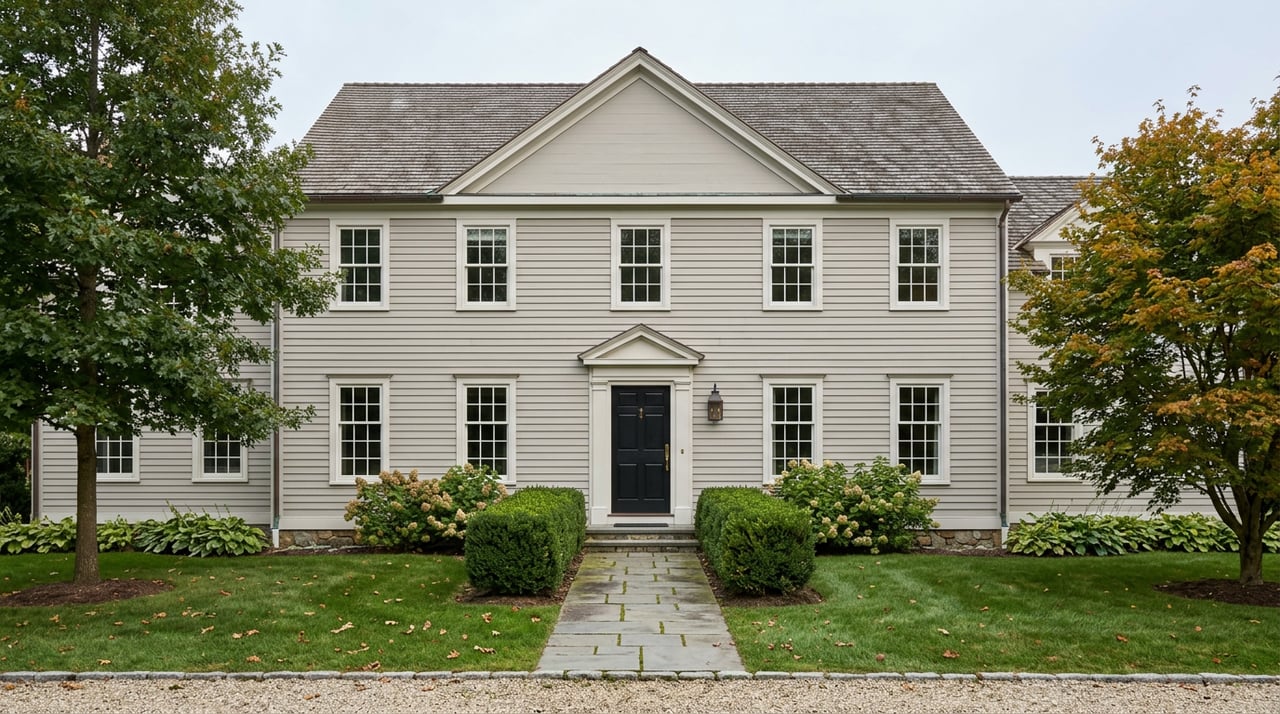
In Acton, the most effective staging usually feels clean, bright, edited, and in step with the town’s New England character. If your home has period details, mature landscaping, or village charm, those features should be supported rather than overwhelmed.
How much staging is enough?
Not every home needs full-service furnishing. Many sellers benefit most from a more focused approach that improves clarity and flow without overcomplicating the process.
A strong order of operations is often:
- Deep clean
- Repair obvious flaws
- Declutter and remove distractions
- Neutralize overly personal or bold spaces
- Stage key rooms
- Photograph only after the home is fully ready
This sequence matters because staging works best when the home already feels fresh and well maintained. Photos should capture the finished presentation, not an in-progress version.
Stage the rooms that drive decisions
If you want to be strategic with budget, focus on the spaces buyers study most closely online and in person:
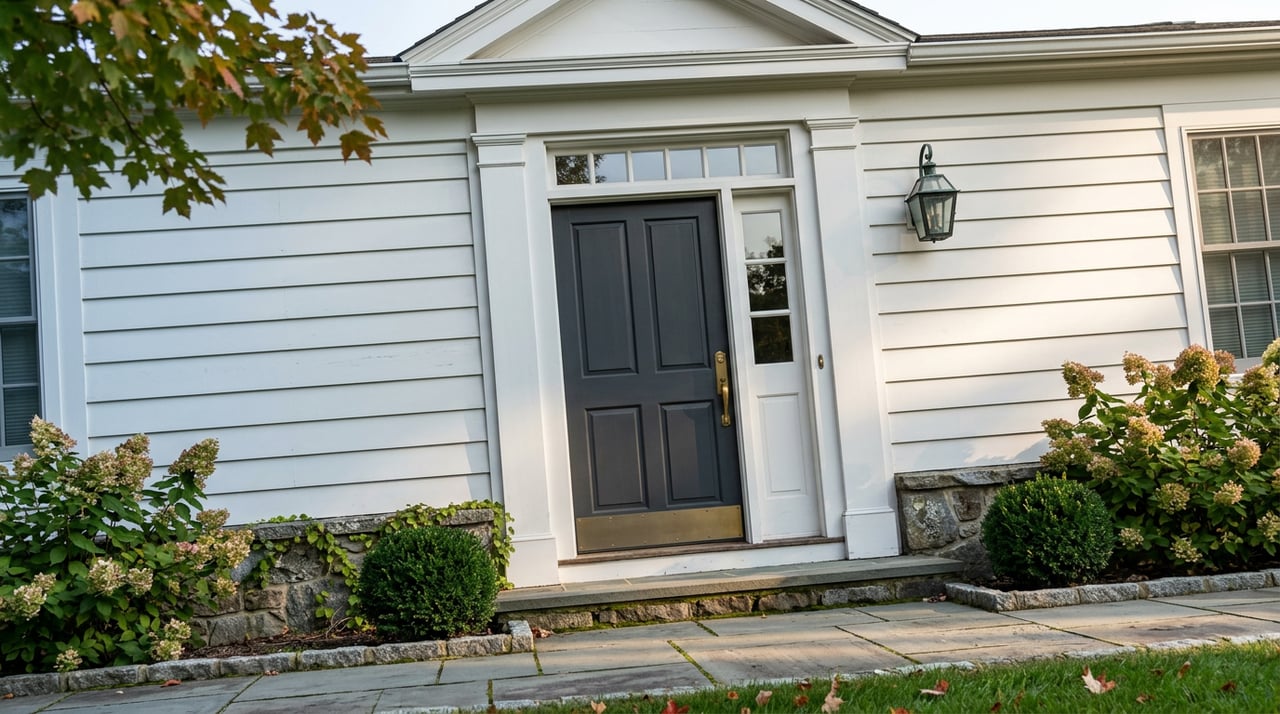
- Entry
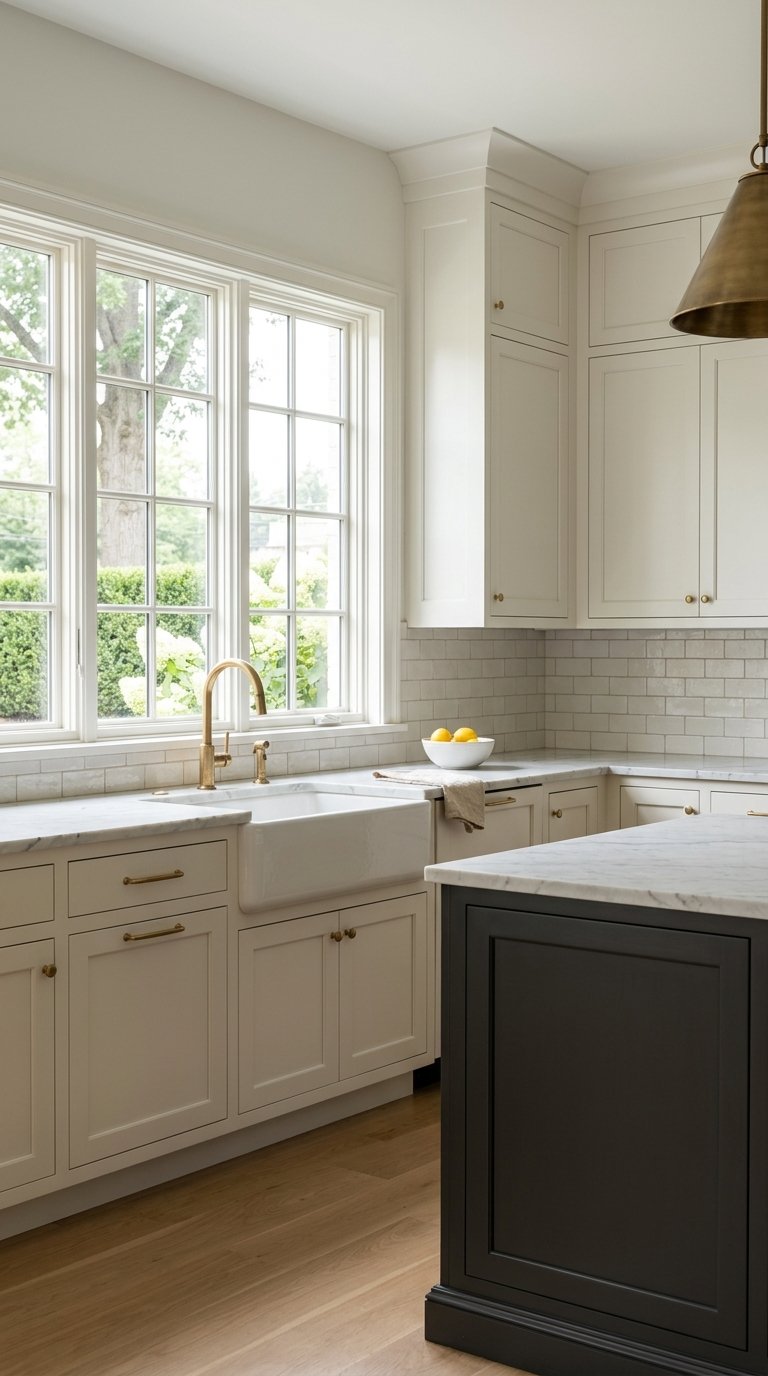
- Kitchen
- Living room or family room
- Primary bedroom
- Dining area
- Outdoor entertaining spaces, if applicable
According to national staging findings, one in three buyers’ agents reported more willingness to schedule a showing after a staged home was viewed online. In a market like Acton, where momentum starts quickly, those first digital impressions matter.
Price from the market, not from emotion
In a strong seller’s market, it can be tempting to price from renovation cost, neighbor opinions, or your own attachment to the home. But pricing works best when it reflects current Acton comparables and expected first-week response.
Because homes here move quickly, the opening price matters a great deal. If a home comes on too high, it can lose the early attention that often drives the best showing activity and strongest offer interest.
Use current comps and buyer response
The most useful pricing framework is grounded in recent comparable sales, active competition, and how buyers are behaving right now in Acton. In a market where homes often sell above list and receive multiple offers, pricing should create interest without leaving buyers confused about value.
A polished home that is well priced can generate strong early momentum. A similar home that is overpriced may still sell, but often with less urgency and weaker leverage.
Tell the full Acton story in your marketing
Preparation is only half the job. Once your home is ready, your launch strategy should present it clearly and widen the buyer pool beyond people already watching your immediate neighborhood.
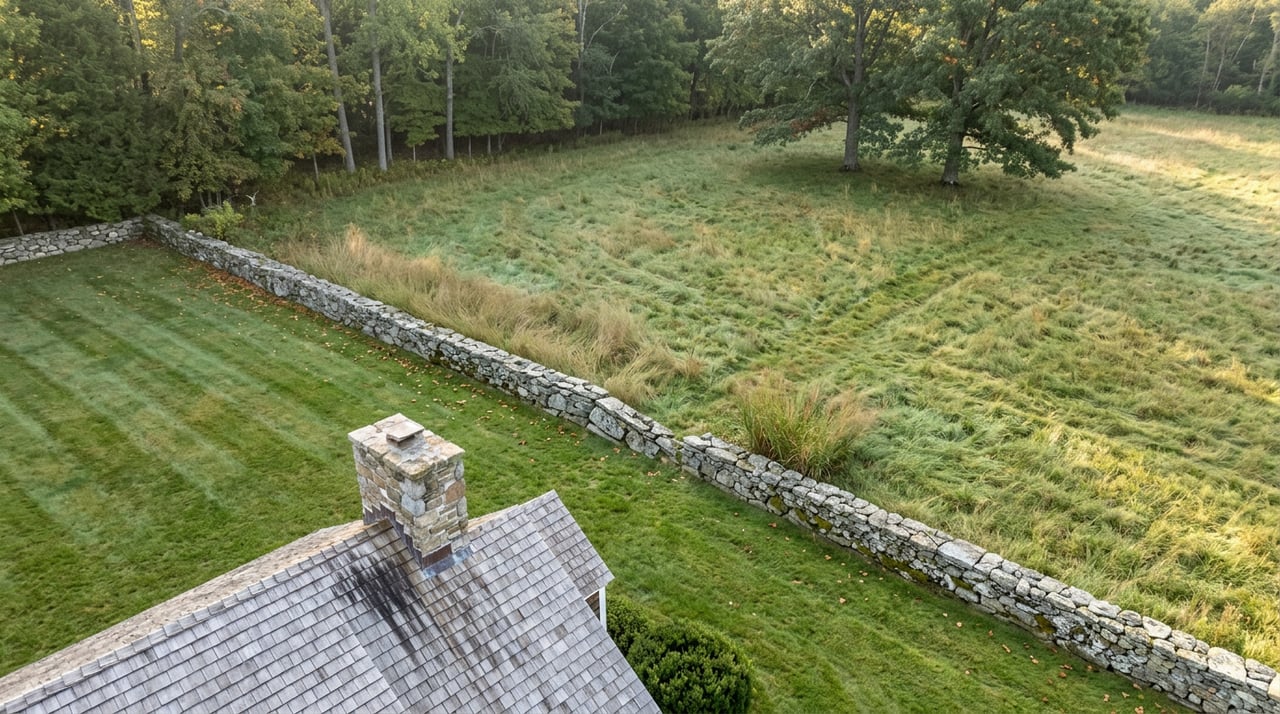
Acton’s planning materials point to real lifestyle value in the town’s village districts, natural and scenic resources, and local transportation options, including South Acton commuter rail access and other mobility connections. If your home benefits from these features, they should be described clearly in the marketing story.
Pair presentation with photography
Online presentation is often the first showing. That is why staging, editing, and photography should work together. Buyers need to understand not just the room count, but also the mood, flow, light, and livability of the home.
For Acton sellers, that may mean showcasing details like mature landscaping, village setting, architectural character, updated systems, or commuter convenience if those features genuinely apply. The goal is to present a complete and credible picture from the start.
A practical pre-list checklist
If you want to simplify your next steps, use this checklist as a guide:
- Review recent Acton market activity and likely pricing range
- Make a repair list focused on visible maintenance and basic systems
- Gather records for meaningful updates or improvements
- Confirm whether septic requirements apply and schedule early if needed
- Check smoke and carbon monoxide compliance steps
- Review lead-law notification obligations for pre-1978 homes
- Confirm whether historic district approval is needed before exterior work
- Declutter, clean, and stage priority rooms
- Schedule photography only after the home is fully prepared
- Launch with pricing and marketing designed for first-week momentum
Selling well in Acton is rarely about doing the most. It is about doing the right things in the right order. With thoughtful preparation, strong presentation, and a pricing strategy shaped by the current market, you can enter the listing process with more clarity and a stronger chance of attracting serious buyers quickly.
If you are preparing to list and want a calm, design-led plan that respects your home’s character while positioning it for the market, Hilary Bovey offers thoughtful guidance, refined presentation, and white-glove support from start to finish.
FAQs
What repairs matter most before listing a home in Acton?
- The most important repairs are usually visible maintenance items and basic system issues, such as worn paint, lighting problems, minor hardware fixes, exterior upkeep, and deferred service needs that could affect buyer confidence.
How much staging does an Acton home really need?
- Many Acton homes do not need full-service staging. A strong plan often starts with cleaning, decluttering, repairs, neutral styling, and targeted staging in the main living spaces, kitchen, primary bedroom, and entry.
How should I price my Acton home in a competitive market?
- Pricing should be based on recent Acton comparable sales, current competition, and likely first-week buyer response rather than renovation cost or personal expectations.
What local issues could delay an Acton home sale?
- Septic inspections, smoke and carbon monoxide compliance, lead-law notification for older homes, and historic district approvals for exterior work are all issues worth checking early because they can affect timing.
Should I renovate before listing my home in Acton?
- In many cases, targeted repairs and thoughtful presentation offer a better return than large pre-sale renovations, especially when the goal is to preserve character, show clear condition, and launch quickly in a fast-moving market.