Looking at MetroWest and wondering where Acton fits? If you want a town that offers more than one neighborhood feel, practical commuting options, and a wider range of housing types, Acton deserves a closer look. For many buyers, the question is not just whether Acton is appealing on its own, but how it compares with nearby choices like Concord and Carlisle. Let’s dive in.
Why Acton stands out in MetroWest
Acton occupies a distinct place in this part of Middlesex County. Based on current Census estimates, Acton has 24,539 residents in 2024, compared with 18,092 in Concord and 5,317 in Carlisle. That larger size shapes the buyer experience in meaningful ways.
In practical terms, Acton often feels more varied and more spread across several centers rather than organized around one dominant downtown. Official town planning materials reference West Acton, South Acton, East Acton, North Acton, and Kelley’s Corner as separate planning areas or business centers. For you as a buyer, that can translate into more choice in setting, housing style, and day-to-day rhythm.
Acton also reflects a classic suburban commuter profile. The Census reports a median household income of $153,338 and a mean commute time of 35.2 minutes. That helps explain why access, parking, and transit connections matter so much when buyers compare one part of town with another.
Acton’s village layout matters
One of Acton’s biggest differences from some nearby towns is its village structure. Instead of a single main street defining the whole town, Acton is better understood as a collection of smaller centers with distinct identities. That planning framework is important because it influences how different parts of town feel and function.
For buyers, this means your experience can vary based on where you focus your search. One area may feel more tied to commuter access, while another may feel more connected to local services or established residential streets. If you like the idea of having options within one town, Acton offers that flexibility.
South Acton is especially notable because the town’s 2025 Housing Production Plan says it now includes a zoning district within half a mile of the commuter rail station that allows dense multifamily housing. That does not make the whole town urban, but it does signal that some areas are evolving differently from others. If future housing supply and transit access matter to you, that is worth paying attention to.
Commuting in Acton
For many MetroWest buyers, commuting is a major part of the decision. Acton’s transportation network gives you a few more visible options than a purely car-dependent town, even though driving still plays a large role.
The town identifies the South Acton Commuter Rail Station as a key transit node. Cross-Acton Transit, or CAT, connects housing complexes to Kelley’s Corner and the Great Road business areas, with stops at Town Hall and the South Acton station. That makes South Acton an important gateway for residents who want rail access.
Parking is part of the equation too. The town lists daily parking at the South Acton commuter lot at $6 per day. If you are comparing Acton with nearby communities, that kind of practical detail can help you estimate what your routine may look like.
At the same time, Acton remains suburban in feel. Much of daily mobility still depends on driving, local roads, and selective use of transit support. Great Road, also known as Route 2A, remains a major commuter and commercial corridor, and town planning documents note the ongoing tension between through-traffic and pedestrian or bicycle safety in East Acton.
Bike and trail access adds flexibility
If you value alternatives to driving for shorter trips or recreation, Acton offers some useful infrastructure. The regional bike-share program reopened in spring 2025 and is set to run through fall 2027. Stations include East Acton Village Green and South Acton MBTA Station.
That system connects with both the Bruce Freeman Rail Trail and the Assabet River Rail Trail. For buyers, that can add another layer of convenience around village nodes and transit areas. It is not a replacement for a car in most cases, but it does expand your options.
This is one of the ways Acton can feel more versatile than a lower-density town. If you want a suburban setting with some multimodal features already in place, Acton has more visible infrastructure than some nearby alternatives.
What housing choices look like in Acton
Housing variety is one of Acton’s clearest strengths in this comparison. According to the town’s housing production plan, about 70% of housing units are single-family homes, 73% of housing stock is owner-occupied, and 19% of units are in buildings with 10 or more apartments. That is a broader mix than many buyers expect in a suburban town.
The same plan notes that Acton has more housing diversity than the comparable communities in that study and the highest renter share among them. It also points out that many older multifamily developments are concentrated along Route 2A and date to the 1960s and 1970s. For some buyers, those older condo and multifamily properties may open the door to ownership options beyond detached homes.
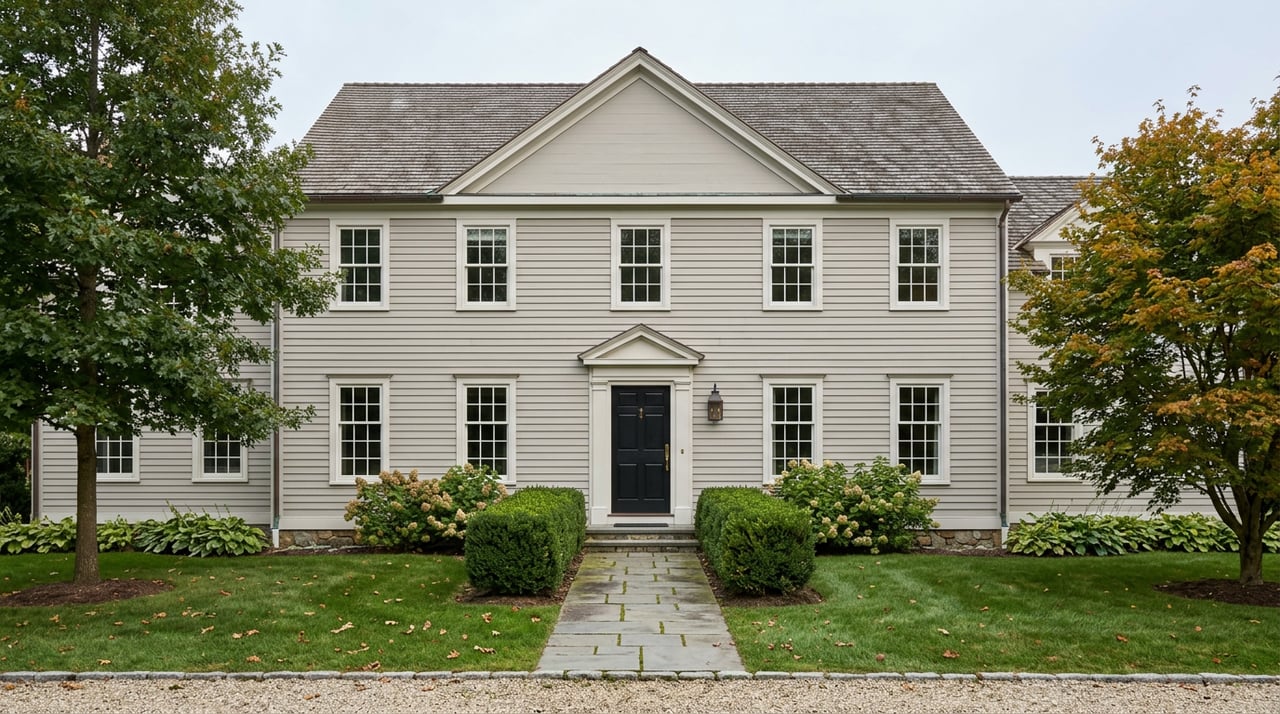
This matters if you are trying to balance budget, space, and location. In Acton, your search may include older colonials, expanded capes, village homes, and some condo or multifamily inventory. That kind of range can make the town appealing if you want flexibility in both price point and property type.
Why Acton can feel competitive
Even with that range, Acton is not a loose or oversupplied market. The 2020 housing plan describes low vacancy and a tight market, which helps explain why housing costs have remained elevated. The town’s 2025 Housing Production Plan also notes decreasing rental units and rising housing costs.
For buyers, the takeaway is simple. More housing diversity does not always mean easy availability. You may find more types of homes to consider, but timing and preparation still matter.
That said, recent zoning and affordability efforts are relevant because they may influence future supply. Buyers who are looking beyond the next few months and thinking long term may want to keep an eye on how those planning changes continue to shape the market.
Acton vs. Concord
Concord and Acton often appeal to some of the same MetroWest buyers, but they offer a different experience. Concord’s official business-district materials emphasize a strong historic center and multiple village and retail districts, with Concord Center serving as a walkable cultural and civic hub. That creates a different kind of town identity from Acton’s more distributed village pattern.
Price is another important difference. Current Census estimates show Concord’s median value of owner-occupied housing units at $1.21 million, with a mean travel time to work of 32.4 minutes. Based on the available data, Concord sits at a higher price profile than Acton.
If you are drawn to a prominent historic center and a more defined village-core experience, Concord may feel especially compelling. If you prefer a broader mix of housing types and a town organized around several centers rather than one signature downtown, Acton may offer a better fit.
Acton vs. Carlisle
Carlisle presents yet another contrast. The town’s current master-plan materials describe a strong commitment to rural character and note that this creates greater vehicle dependence than towns with denser clusters or commuter rail access. Its town center remains the main concentration of public services and small businesses.
Current Census figures show Carlisle with a median value of owner-occupied housing units of $1.1039 million and an owner-occupied rate of 93.6%. That is much more owner-heavy than Acton, and it aligns with Carlisle’s low-density, highly residential character.
If you want a more rural setting and are comfortable with greater dependence on driving, Carlisle may appeal to you. If you want more visible transit access, more housing variety, and multiple village nodes, Acton generally offers a different balance.
Who should look closely at Acton
Acton can be an especially strong match if you want to stay in MetroWest while keeping several lifestyle options open. The town offers a lower current median owner-occupied value than Concord or Carlisle, along with more varied housing stock and more visible multimodal infrastructure around South Acton and East Acton.
You may find Acton appealing if you want:
- A suburban setting with several village centers instead of one dominant downtown
- Commuter rail access centered around South Acton
- A mix of single-family homes, older condos, and multifamily options
- More housing diversity than some nearby towns
- Trail and bike-share access as a day-to-day bonus
In many ways, Acton sits in the middle of this comparison set. It is less centered on one historic core than Concord and less rural and land-intensive than Carlisle. For the right buyer, that middle ground is exactly the point.
How to approach an Acton home search
If Acton is on your shortlist, it helps to evaluate the town by micro-area rather than as one uniform market. A home near South Acton may offer a different daily routine than one closer to West Acton, East Acton, or Kelley’s Corner. That is part of what makes the search interesting, but it also means details matter.
As you compare listings, consider a few practical questions:
- How important is commuter rail access to your weekly routine?
- Do you prefer a detached home, or are you open to older condo options?
- Would trail access or bike-share stations improve daily convenience?
- Are you looking for a more established residential setting or an area with ongoing planning changes?
When you answer those questions early, Acton becomes much easier to navigate. Rather than treating the town as one broad category, you can focus on the villages and housing types that best support your lifestyle.
Acton gives buyers something valuable in MetroWest: choice. It offers village texture, commuter practicality, and a wider housing mix than many nearby buyers expect. If you want help comparing Acton with Concord, Carlisle, or other nearby towns, Hilary Bovey brings a calm, local, design-aware perspective to every search.
FAQs
How does Acton compare with Concord for homebuyers?
- Acton generally offers a lower current median owner-occupied value, a more varied housing stock, and several village centers, while Concord is more centered on a historic core with a higher current price profile.
How does Acton compare with Carlisle for homebuyers?
- Acton offers more visible transit access, more housing variety, and a less rural format, while Carlisle is more low-density, more vehicle-dependent, and more heavily owner-occupied.
What kinds of homes can buyers find in Acton?
- Town housing data shows that Acton includes a mix of single-family homes, older condo options, and multifamily housing, with roughly 70% of units being single-family.
What is commuting like in Acton, Massachusetts?
- Acton’s South Acton Commuter Rail Station is a key transit hub, CAT shuttle service connects some local destinations, and commuter lot parking is listed by the town at $6 per day.
Does Acton have one downtown area?
- Acton is better understood as a town of multiple villages and centers, including West Acton, South Acton, East Acton, North Acton, and Kelley’s Corner, rather than one dominant downtown.
Is Acton a good fit for buyers who want housing variety?
- Acton may be appealing if you want more than one housing format to consider, since town planning materials describe a broader mix of housing types than comparable nearby communities.