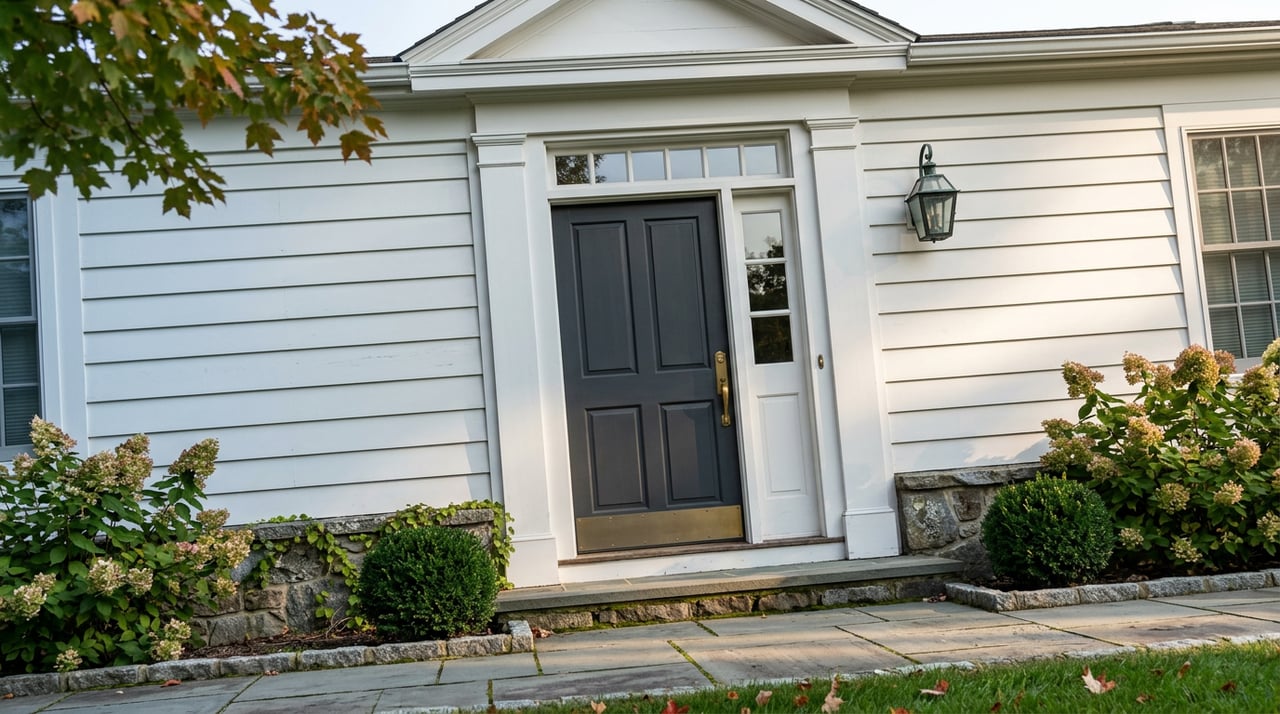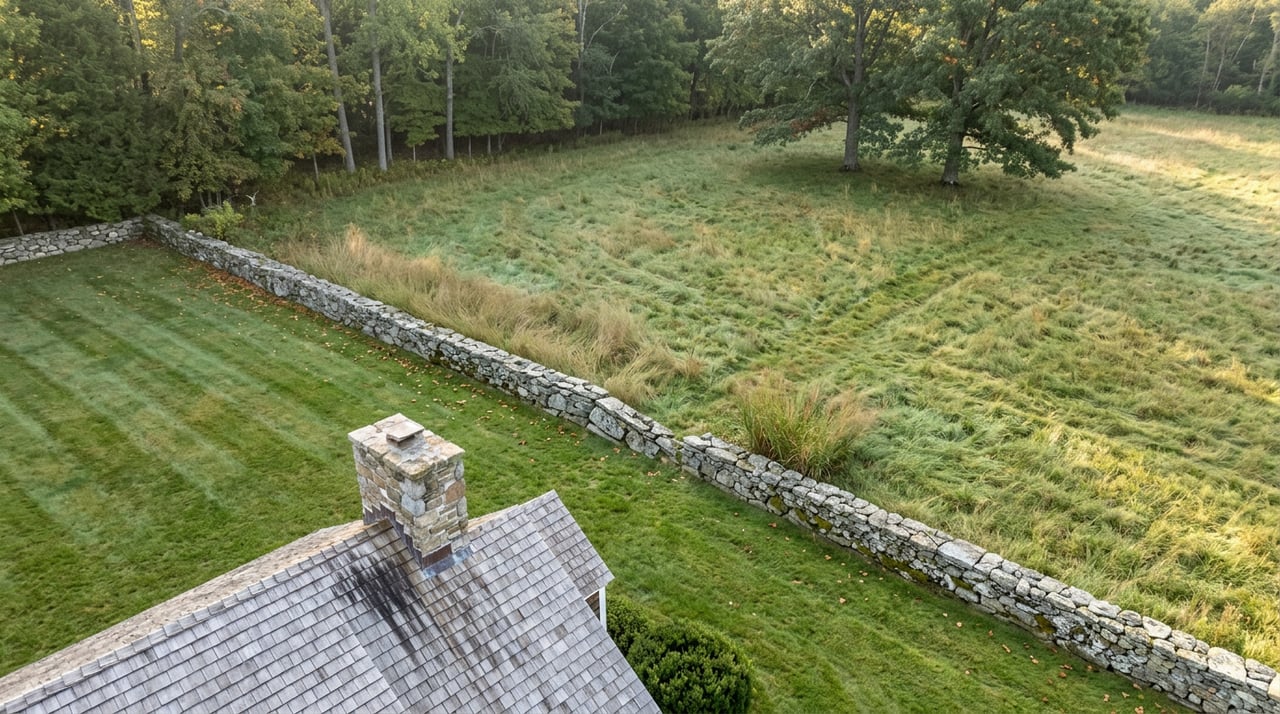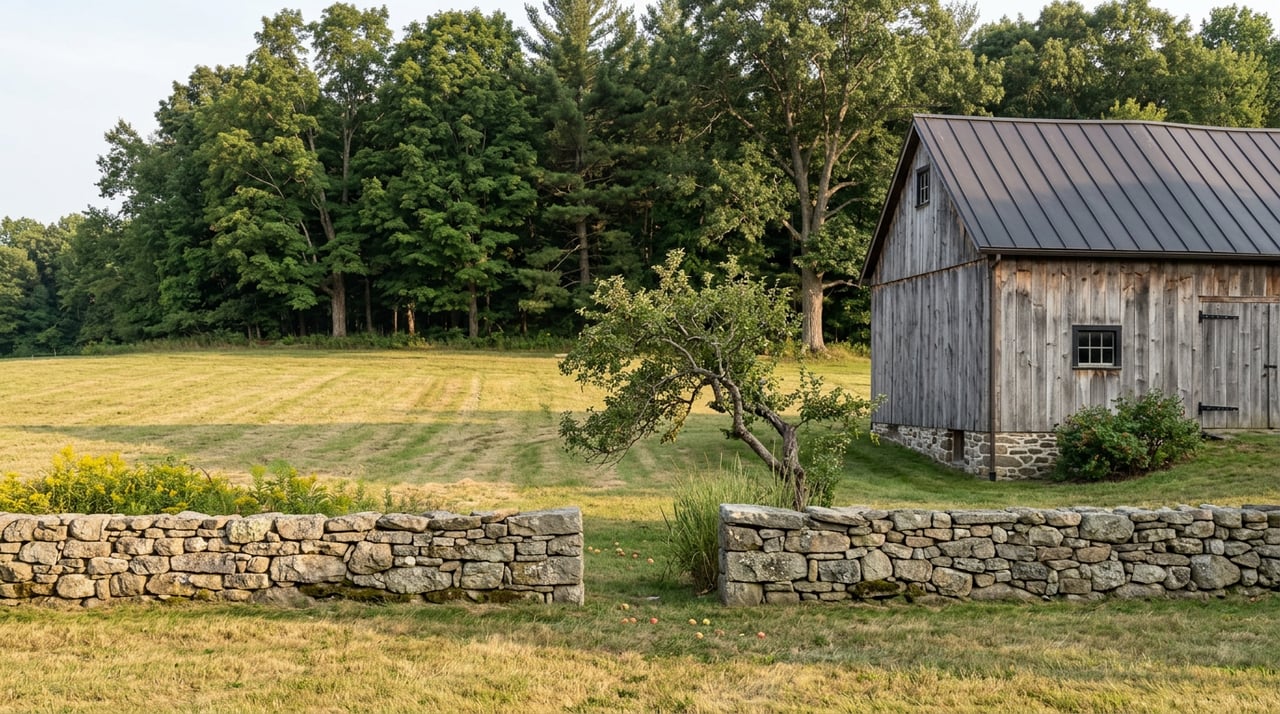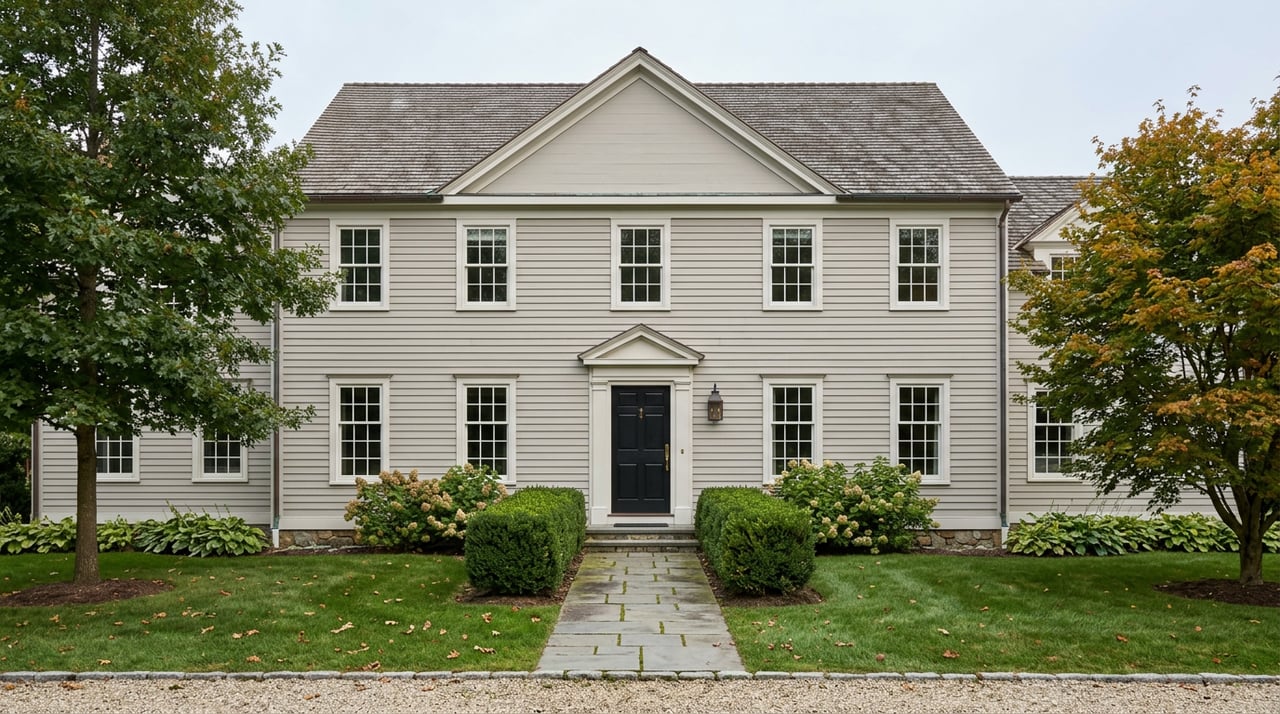
For five years, a vacant parcel at Hildreth Corner on Lowell Road sat as a test of what Concord's Historic Districts Commission can and cannot demand of a builder. The lot once anchored a cluster of 1800s commerce, a general store, a blacksmith, a cooper, and an inn, and some local historians hold that minutemen gathered nearby before marching to the North Bridge on April 19, 1775. Since 2021, a developer proposed six different single-family house designs there and was denied four times. The commission wanted something smaller and less visible from the road. The developer argued a house that size could not make financial sense to build and sell.
A Superior Court judge has since ended the standoff, at least for now, in the developer's favor. Judge Brent Tingle annulled the commission's decisions, finding that HDC members showed "bias and bad faith" in how they reviewed the applications. The case goes back to the commission for reconsideration. Concord's Select Board met in closed session on August 31, 2026, to discuss the ruling, and on September 4, four former HDC chairs, Dennis Fiori, Nea Glenn, Peter Nobile, and Luis Berrizbeitia, published a public rebuttal calling the decision inconsistent with both the record and the Historic Districts Act itself.
If you own, are selling, or are considering a purchase inside one of Concord's six local historic districts, this is worth understanding before you assume you know how the process works. The commission's authority over your home's exterior has not disappeared. But the idea that a denial is the end of the conversation just got harder to take for granted.
What the Commission Actually Controls
Concord created its first four historic districts by a special act of the state legislature in 1960, added Hubbardville by town meeting vote in 1998, and added Church Street in 2005, bringing the total to six. As of this September, more than 600 properties in Concord sit inside a district where the commission can effectively veto an exterior change.
The commission's purpose, as written into its founding act, is:
to promote the educational, cultural, economic and general welfare of the public through the preservation and protection of buildings, places and districts of historic or literary significance
In practice, that means the Historic Districts Commission reviews exterior architectural features visible from a public way. It does not reach into a kitchen renovation, a finished basement, or anything a passerby on the sidewalk cannot see. What it does reach is broader than most sellers expect. Recent applications moving through the commission give a sense of the range:
- A homeowner on Monument Street seeking to remove and replace two windows and two doors
- A property owner on Lowell Road swapping windows on an existing house
- A Walden Street tenant replacing a blade sign with a flat wall sign
- The Concord Center for Visual Arts adjusting exterior sconces on Lexington Road
- A Barrett Farm Historic District addition to a town-owned 1700s-era farmhouse, built to give a Concord Housing Foundation tenant more living space
None of these are grand estate additions. They are the ordinary maintenance and small upgrades that come with owning a historic property, and each one runs through the same public hearing process as a major addition.
What Doesn't Need a Hearing
In-kind repairs and routine maintenance are generally exempt: replacing rotted trim with matching material, repainting the same color. Interior work stays outside HDC review unless it changes what's visible from the street. The commission's own guidance warns applicants against assuming a feature is exempt just because they think it can't be seen, and recommends checking visibility from more than one vantage point before assuming otherwise.
One detail sellers often miss: a Certificate of Appropriateness from decades ago does not carry forward automatically. The commission's own procedures note that a structure approved by the 1973 or 1984 HDC may not be approved by today's HDC. Decisions are made case by case, which means paperwork from a prior owner's renovation is a starting point for a conversation with today's commission, not a guarantee of anything.
Why the Lowell Road Ruling Changes the Calculation
Before this ruling, the working assumption for anyone buying a historic-district property with renovation plans was straightforward: if the HDC says no, you redesign, resubmit, or walk away. The commission's word was close to final, subject only to a narrow appeal process under the state's Chapter 40C.
That assumption is harder to hold with the same confidence now.
| Before September 2026 | After the ruling | |
|---|---|---|
| A denial | Effectively final, absent a successful narrow appeal | Potentially reversible if a court finds the process itself was flawed |
| Commission discretion | Broad, guided by design guidelines the town describes as non-binding | Under public scrutiny, with the Select Board weighing whether process guidelines need revisiting |
| Litigation as a strategy | Rare, and usually a last resort given cost | A demonstrated path to overturning a commission decision |
The four former chairs who wrote in response to the ruling warned that leaving it unchallenged could invite more litigation as an alternative to the public hearing process the town has relied on for over six decades. The town's own lawyers had argued the opposite in court, saying the commission gave the applicant consistent, specific guidance across four years and six designs. The trial itself was costly enough that it contributed to a deficit in the town's legal services budget, a detail that matters to anyone weighing whether to fight a denial or redesign around it.
What This Means If You're Selling
If your property sits in one of Concord's six districts and carries any HDC history, a pending application, a past denial, or a certificate with unmet conditions, that paper trail belongs in your disclosure conversation with buyers, not a footnote. Gather it before you list. A prior denial does not necessarily close off future plans the way it once might have, so a lot or house that looked stuck six months ago can read as a more credible opportunity today.
Finishing any highly visible repair before listing still reduces friction for buyers. But the calculus on larger changes, additions, new construction, anything that would trigger a hearing, now carries a genuinely open question about how much weight the commission's first answer will hold if it's ever challenged.
What This Means If You're Buying
If you're purchasing a historic-district home with renovation plans, or eyeing one of the district's rarer vacant lots, budget time and legal contingency beyond what a routine application suggests. The commission holds public hearings on a monthly cycle, so even a straightforward window or door swap is on the calendar for weeks, not days. What's changed is the confidence you can place in a first denial being the final answer, in either direction.
Ask for the property's complete HDC file, not just its most recent certificate. Confirm whether any pending reconsideration or litigation touches the parcel. And treat the design guidelines the way the commission itself describes them: guides, not hard rules, for the applicant and the commission alike.
Frequently Asked Questions
Does this ruling mean the Historic Districts Commission no longer has authority in Concord? No. The commission's authority under the Historic Districts Act stands. The ruling addresses how one set of decisions was reached at 615 Lowell Road, not whether the commission can review exterior changes at all.
Does this only affect the Barrett Farm Historic District? The ruling itself concerns one property, but the questions it raises about process and discretion apply across all six districts, since every district operates under the same act and the same commission.
Should I delay a sale or purchase until the Lowell Road case is resolved? Not necessarily. The case is back with the commission for reconsideration, and most routine applications, window replacements, signage, in-kind repairs, continue moving through the normal process. The ruling matters most if you're facing or contemplating a contested application yourself.
If you're weighing a sale or purchase in one of Concord's historic districts and want a clear-eyed read on how a specific property's HDC history might shape your timeline, Hilary Bovey can help you sort the paperwork from the noise. Let's Connect.