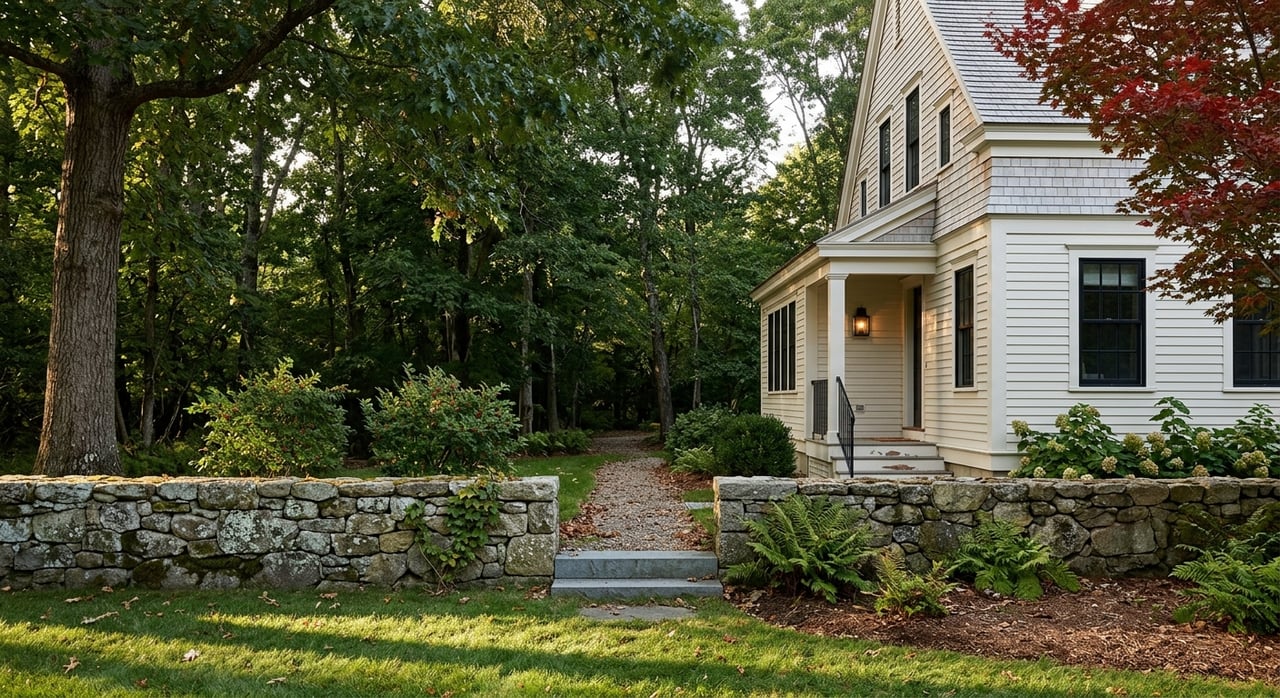
If you own a farmhouse or village home in Harvard, you know its story matters. Buyers come for wide-board floors, true divided-light windows, and a porch that catches evening light, but they also expect comfort that fits today’s routines. The good news: thoughtful staging can honor your home’s character while helping it compete with newer listings.
In this guide, you’ll learn how to present original details, which rooms to stage first, which small updates pay back, and how to prep visuals and logistics for a smooth sale. You’ll also see a simple checklist you can start this week. Let’s dive in.
What today’s Harvard buyers want
Harvard is a small Worcester County town of roughly 7,000 people, which means each listing stands out in a tight, attentive market. According to the latest population estimate, the town remains small in scale, with a strong sense of place and landscape that draws buyers seeking a classic New England setting. You can use that to your advantage by showcasing setting, light, and lifestyle. U.S. Census QuickFacts for Harvard
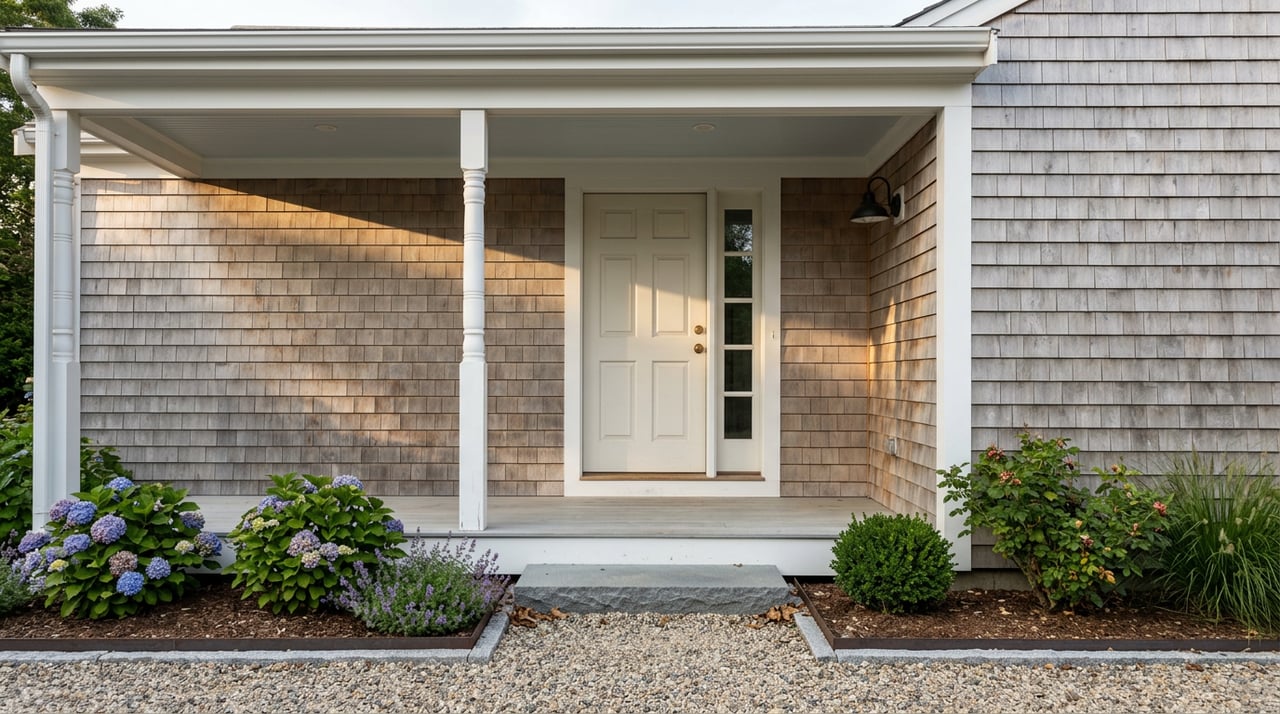
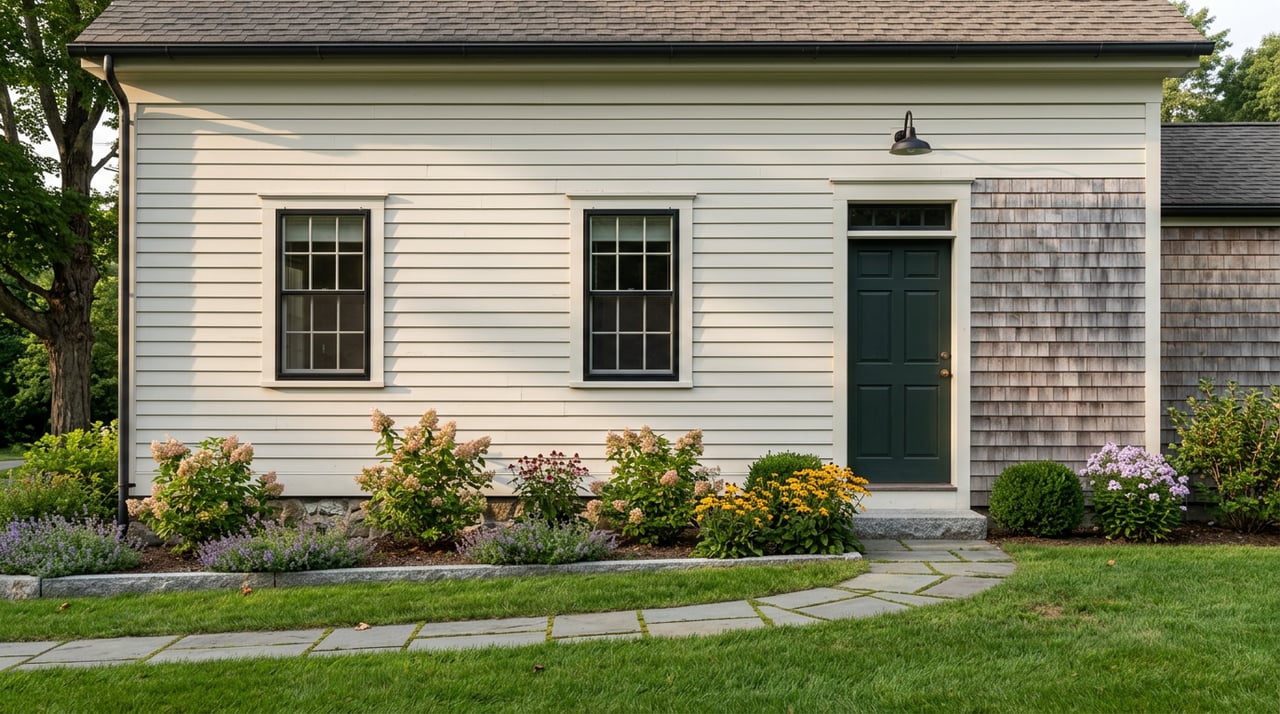
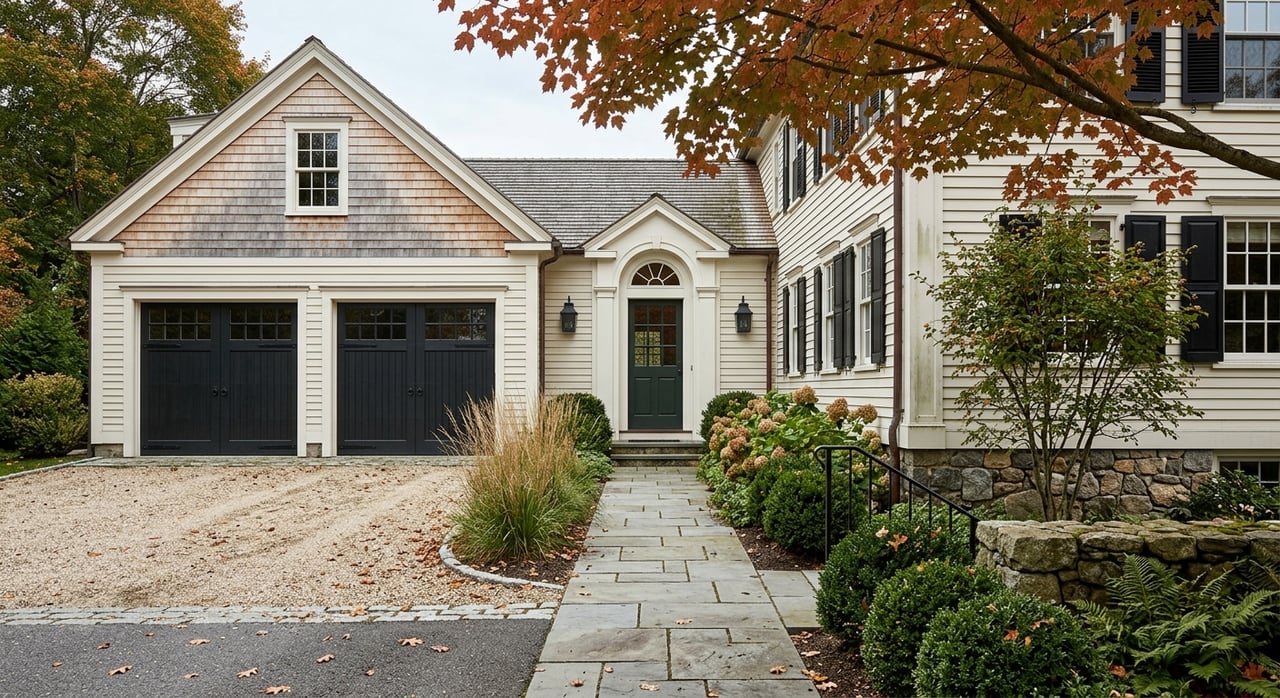
Authenticity matters here. Local history highlights traditional village homes and 19th-century farmhouses with original millwork, window patterns, porches, and barns. When you stage, let those details take the lead and frame them with clean, simple furnishings so they read as intentional and well cared for. Harvard Historical Society background
Your goal is to deliver “move-in ready” comfort without sanding off the soul. That balance is what sells in rural-luxury and village markets like Harvard.
Preserve history, show comfort
Buyers prize original fabric when it is functional and well presented. Before you replace, consider repair. Guidance for historic homes recommends repairing and weatherstripping original wood windows and adding storms to improve comfort while preserving historic profiles. This approach protects character and can yield real thermal benefits. National Park Service window guidance
If replacement is unavoidable due to condition or safety, use like-for-like materials and profiles. Keep documentation of the decision and the specs so you can present it confidently in your listing. The Town of Harvard’s Historical Commission encourages preservation and sympathetic upgrades for historic windows, so stay aligned with local expectations. Harvard Historical Commission window information
Use a neutral, warm palette to spotlight trim and floors, not cover them. Modernize with reversible touches like updated lighting, tasteful hardware, and fresh paint where appropriate. Scale furniture to room proportions so period rooms read open and bright.
Room-by-room staging priorities
The right focus can stretch a modest budget. Agent surveys consistently rank the living room, primary bedroom, and kitchen as the most important rooms to stage, with the entry and exterior spaces close behind. NAR Profile of Home Staging
Living room or parlor
- Lead with light and hearth. Place seating to frame the fireplace and windows so buyers see a clear focal point and a conversational layout.
- Keep textiles simple. Use a textured rug and a few pillows in soft neutrals to warm the space without distracting from floors and millwork.
- Edit surfaces. Limit art and objects so trim, mantels, and window patterns read clean and intentional.
Kitchen
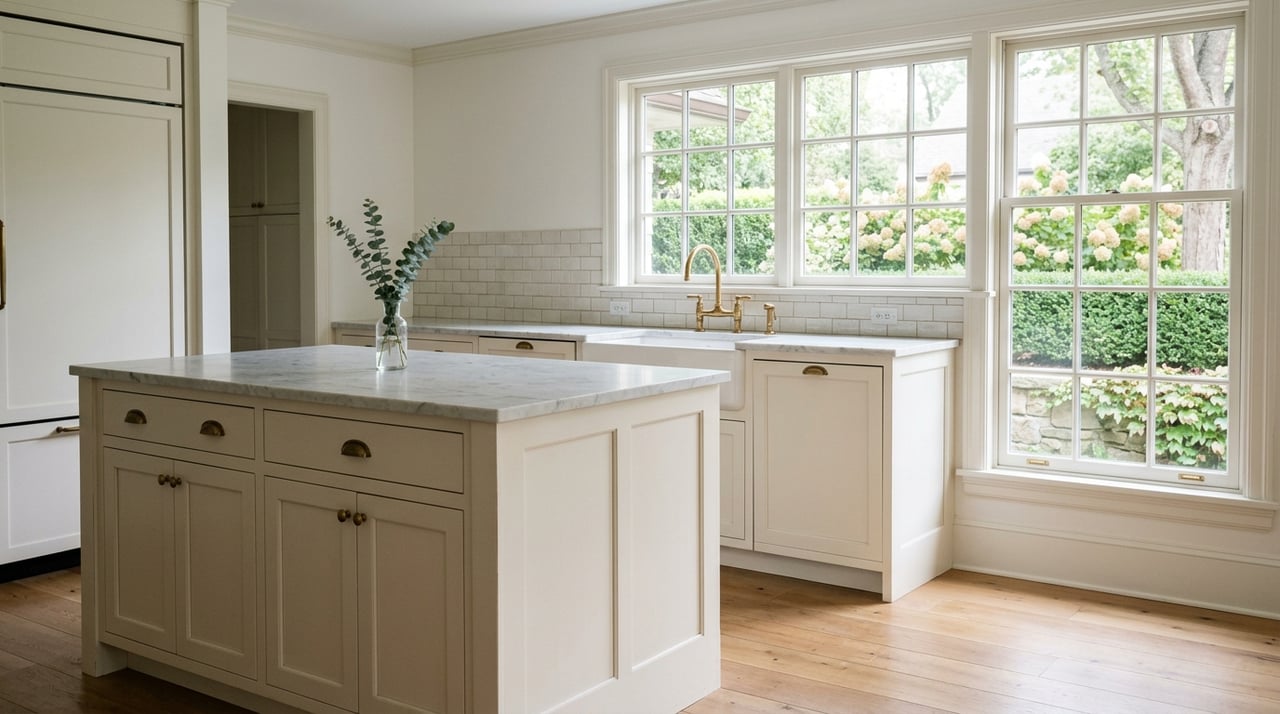
- Aim for spotless and functional. Clear countertops, polish fixtures, and create a coffee or baking station to show daily use.
- Update small. If needed, consider swapping dated hardware or a light fixture and add a runner for warmth. Focus on clean lines and consistent metals.
- Style in threes. A bowl of seasonal fruit, a wood board, and a small vase can be enough to feel lived-in yet uncluttered.
Primary bedroom
- Keep it calm. Use crisp bedding, two matching lamps, and restrained art to make the room feel restful and proportional.
- Show scale. If the room is compact, choose a lower-profile bed and slimmer nightstands to expand visual volume.
- De-personalize. Remove family photos and heavy drapery so light and architecture lead.
Mudroom and entry
- Make it practical. Hooks, a bench, and a boot tray signal that rural living is easy and organized.
- Clear the floor. Tuck seasonal gear in bins and keep only a few items on display to show storage capacity.
- Define a drop zone. A small tray for keys and mail helps buyers picture daily rhythms.
Porches, terraces, and views
- Set the scene. Add a bistro table or two rocker chairs with a throw to frame morning coffee or sunset hour.
- Play the light. Photograph at golden hour or twilight to capture warmth and depth.
- Direct the eye. Trim plantings to open sightlines to fields, orchards, or the town common where applicable.
Barns and outbuildings
- Keep them tidy and well lit. Sweep floors, add task lighting, and remove excess storage.
- Stage flexible potential. A clean workbench and a small seating vignette can suggest “artist studio, storage, or equestrian potential” without overstating permitted uses.
- Label clearly. In listing copy and captions, be factual about utilities and access.
Quick updates with strong ROI
If you have funds for selective improvements, choose projects that boost first impressions and are known to recoup a large share of cost at resale. National averages show several high performers. Cost vs. Value Report
- Garage door replacement. Low cost, high visual impact, and one of the top recouping projects nationally.
- Steel entry door refresh or replacement. Strong curb-appeal lift and very high resale payback on average.
- Minor kitchen remodel, midrange. Surface-level updates like cabinet refacing or paint, new counters, and a suite of current appliances often recoup around 100 percent nationally. Keep the footprint and respect period character.
- Deck and outdoor living. Modest upgrades that connect house to landscape play well in a rural setting and can return solid value.
- Insulation and heat pumps. Weatherization and HVAC electrification are increasingly attractive to buyers, and Massachusetts incentives can offset costs. Start with a Home Energy Assessment and review current heat pump rebates and 0 percent financing options. Mass Save heat pump incentives
Projects to be cautious about purely for resale math include large custom additions and some ADU builds, which tend to recoup a lower share of cost on average. If you pursue them, do so for lifestyle value first.
Photography and storytelling that sell
Great visuals are the bridge between your home’s character and a buyer’s imagination. Invest in a professional shoot once staging is complete so your images carry the narrative.
A strong package for Harvard farm and village homes includes:
- A bright, decluttered interior set of 20 to 30 images, with careful attention to windows, floors, and fireplace details.
- One twilight exterior that captures the home’s glow and the landscape.
- Drone and acreage context for farms, orchards, paddocks, and long drives, paired with a simple boundary map. Confirm that your photographer follows FAA Part 107 rules or works with a certified remote pilot. FAA commercial drone rules
- A floor plan and concise site plan that show orientation, entries, and outbuildings at a glance.
- A short walk-through video or 3D tour for higher-priced or out-of-area buyers.
Use captions to sell lifestyle. Think “morning light in the farmhouse kitchen” or “quiet studio space in the barn,” followed by practical notes on utilities or storage.
Local logistics to handle early
In Massachusetts, on-site sewage systems are governed by Title 5. A Title 5 inspection is commonly required in connection with a transfer of title, and the report is typically valid for two years, or up to three with documented annual pumping. Order the inspection early so you have time to address any findings or negotiate a plan. MassDEP Title 5 guidance
If you have a private well, plan for water testing per local Board of Health expectations. Requirements vary by town and timing, so check with Harvard’s Board of Health to understand the recommended test panel and when buyers expect to see results.
If your property is in a local historic district, consult the Historical Commission before exterior changes that could alter visible character. Harvard materials encourage repair and sympathetic upgrades, especially for windows. Harvard window preservation guidance
A simple pre-listing checklist
- Order Title 5. Schedule the inspection now and keep documentation organized for buyer review. Title 5 overview
- Book a Home Energy Assessment. If insulation or heat pumps are on the table, capture rebates or 0 percent financing to boost buyer appeal. Mass Save programs
- Complete light cosmetic work. Neutral paint, updated hardware, polished lighting, and tidy landscaping go a long way.
- Stage the high-impact rooms. Prioritize the living room, primary bedroom, kitchen, and mudroom, then dress porches and entries.
- Schedule photography. Add a floor plan, site plan, and drone images where relevant, and time the shoot for the best seasonal light.
- Prepare a concise property fact sheet. Include Title 5 status, energy upgrades, system ages, and any historic-district notes.
When you present your home as a complete lifestyle, you help buyers connect with Harvard’s heritage while seeing themselves living comfortably from day one. With the right staging, selective updates, and clean storytelling, you set the stage for strong showings and confident offers.
If you would like design-forward staging, sensitive guidance on historic details, and a white-glove plan to bring your Harvard home to market, connect with Hilary Bovey for a tailored strategy.
FAQs
What makes staging different for Harvard farmhouses?
- You balance historic character with modern comfort. Keep original elements visible, use warm neutrals, and scale furniture to brighten period rooms while preserving authenticity. Harvard Historical Society overview
Which rooms should I stage first in a Harvard home?
- Focus on the living room, primary bedroom, and kitchen, then the mudroom and exterior spaces. These areas influence buyer decisions most. NAR staging insights
How should I handle old windows before listing?
- Prioritize repair and weatherization to keep historic profiles while improving comfort. If replacement is required, choose like-for-like materials and document the work. NPS window preservation guidance
Do I need a Title 5 septic inspection to sell in Harvard, MA?
- A Title 5 inspection is commonly required at transfer of title in Massachusetts, with reports typically valid for two years, or three with documented annual pumping. MassDEP Title 5 details
Are heat pump or insulation upgrades worth it before listing?
- Many buyers value efficient comfort, and Massachusetts incentives can offset costs. Start with a Home Energy Assessment to target improvements. Mass Save incentives