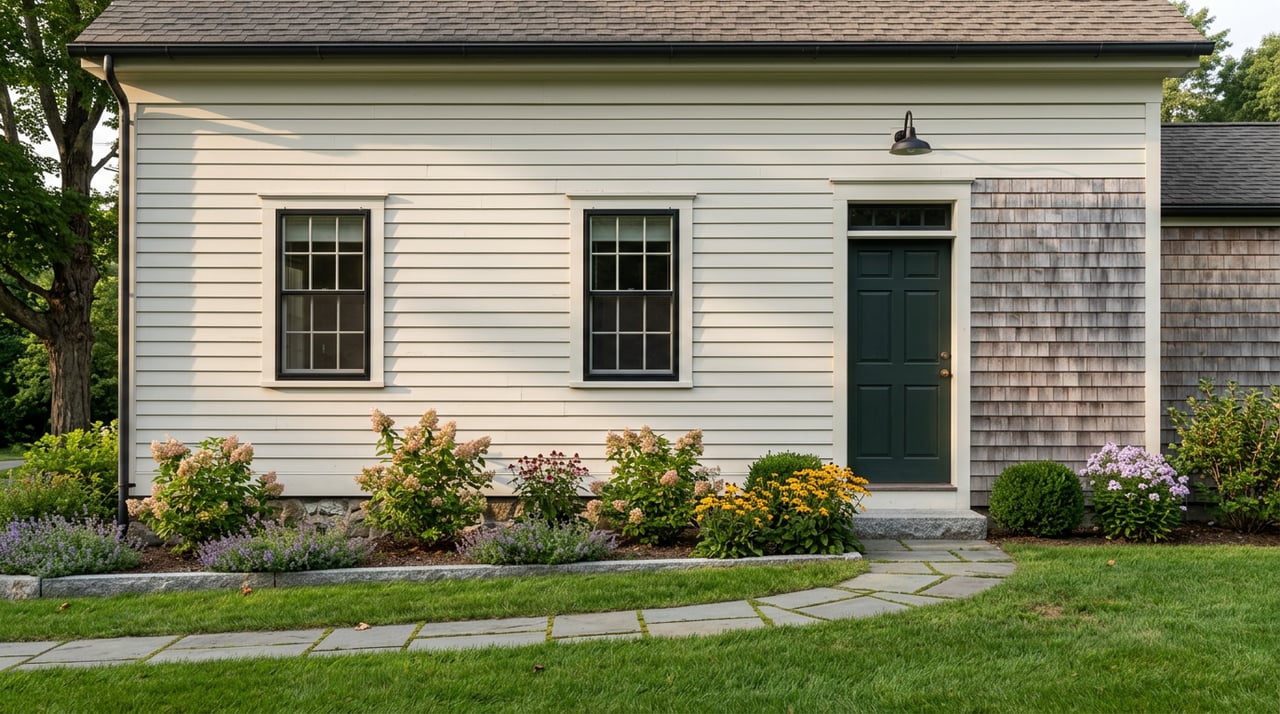
If you are thinking about buying a second home in Chatham, you are not just choosing a property. You are choosing a lifestyle, a maintenance plan, and in many cases, a long-term stewardship role in a coastal town with very specific rules and risks. That can feel exciting and a little complex at the same time, which is why it helps to know what matters most before you make an offer. In this guide, you will learn the key considerations that shape a smart second-home purchase in Chatham, from location and taxes to flood exposure and rental rules. Let’s dive in.
Why Chatham feels different
Chatham is not a one-size-fits-all Cape Cod market. According to town materials, seasonal housing units make up 56% of the local housing stock, which helps explain why ownership patterns, demand, and property use can feel very different here than in a year-round suburban market. The town also maintains a Summer Residents Advisory Committee, a useful signal that part-time ownership is a meaningful part of the community.
For you as a buyer, that means your decision is about more than price and square footage. It is also about how often you will use the home, how much oversight it will need when you are away, and whether you want a more active setting or a quieter residential one. In Chatham, those tradeoffs matter.
Choose location by lifestyle
The town’s planning materials frame Chatham around six neighborhood centers, with Downtown and West Chatham as the most commercially active areas. South Chatham is described by the town as a quieter, more rural neighborhood with limited commercial activity. That makes location one of the first and most important second-home decisions.
If you want easy access to shops, restaurants, and local activity, a property closer to central Chatham may fit your goals. If your priority is privacy, lower intensity, and a more residential feel, another part of town may be a better match. Neither option is inherently better. It depends on how you want the home to function for you.
Parking and guest logistics also deserve more attention than many buyers expect. The town notes that overnight parking is not permitted on Main Street or in town-owned lots, which can affect convenience if you are considering a more central property and expect regular visitors. For a second home, everyday usability often matters just as much as charm.
Coastal risk should shape your search
In Chatham, storm exposure is not a fringe concern. The town’s own emergency guidance says damaging storms are a fact of life, and it notes that large portions of Chatham are susceptible to coastal flooding and erosion, especially along the eastern shoreline facing Chatham Harbor and the southern shoreline facing Nantucket Sound. That makes due diligence around risk essential from the start.
When you tour homes, it helps to think beyond finishes and views. Ask how the property handles water, whether the site shows signs of drainage issues, and how much exterior upkeep the home may require over time. On a second home, deferred maintenance can compound quickly if you are not in residence year-round.
Flood zones and insurance matter early
A home’s flood exposure can influence both your carrying costs and your renovation options. Chatham participates in FEMA’s Community Rating System as a Class 7 community, which gives residents a 15% flood insurance discount, according to the town’s FEMA/NFIP/CRS information page. Even with that discount, flood insurance should still be modeled as a real line item in your budget.
The town also says staff can help with floodplain maps, floodplain property determinations, and questions about flood-resistant construction requirements. That local guidance is helpful because a broad online map search is not enough to understand how a specific parcel may be affected. The town’s zoning bylaw further notes that dwellings in the 100-year floodplain may elevate to meet base flood elevation requirements.
Stewardship is part of ownership
A second home in a coastal market often asks more of you than a comparable inland property. Exterior materials, storm preparation, drainage, and ongoing maintenance planning all become part of the ownership equation. If you are buying for ease, make sure the property’s condition and location support that goal.
This is one area where a calm, local, detail-oriented buying process can protect both your lifestyle and your long-term costs. It is much easier to evaluate these questions before closing than after your first major storm season.
Understand septic and environmental rules
Wastewater planning is a major issue in Chatham and should be part of your due diligence. The town says most of Chatham is in a Nitrogen Sensitive Area, and it notes that new construction, and eventually existing systems in towns without watershed permits, will need Best Available Nitrogen Reducing Technology. Chatham currently has a watershed permit for Pleasant Bay and has filed a Notice of Intent for additional southern watersheds, according to the town’s watershed permitting resources.
For you, this means a home’s septic status is not a small detail. It can affect future upgrade requirements, maintenance planning, and ownership costs. If a property is not on sewer, you will want clear answers about the septic system, its condition, and any likely future obligations.
The town also has post-construction stormwater management rules and administers wetlands protections under state and local law. If a parcel has environmental constraints, those issues can affect what you can improve or add later. That is especially important if you are buying with plans to renovate, expand, or rework outdoor spaces.
If you plan to rent, learn the rules first
Many second-home buyers at least consider short-term rental income, even if only as an occasional offset to carrying costs. In Chatham, that strategy needs to be evaluated carefully before purchase, not after. The town requires a short-term rental registration certificate for any dwelling, or bedroom within a dwelling, rented for 30 days or less.
That certificate must be obtained before rental, costs $50, is valid from March 1 through February 28, and must be renewed annually. The town also requires the registration number to appear in rental listings. If rental income is part of your buying logic, these are not minor details. They are operational requirements.
Occupancy and inspections affect feasibility
Chatham limits occupancy to two people per legal bedroom plus two additional occupants. The town says this rule is intended to protect health, water and septic infrastructure, and neighborhood quality of life. That means projected rental income needs to align with actual local occupancy limits, not just with your assumptions about how the home could be marketed.
There is also an ongoing compliance component. The town’s Building Division says short-term rentals must be inspected for continued use and occupancy, and the Health Division is phasing in inspections of rental properties. In other words, rental use is not simply a matter of buying the right house and posting a listing. It is an ongoing stewardship obligation.
Model rental income net of tax
Short-term rental economics should be evaluated after taxes, not before. Massachusetts imposes a 5.7% state room occupancy excise, and municipalities may add a local excise of up to 6%. Chatham’s town notice says the total room occupancy tax on short-term rentals increased to 14.45% when the local portion rose to 6%, effective January 1, 2023, as reflected in the state’s room occupancy excise guidance.
If you are considering income potential, it is wise to evaluate realistic net proceeds after taxes, inspections, compliance costs, maintenance, and management time. Gross rental projections alone rarely tell the full story.
Budget for the full cost of ownership
The purchase price is only the beginning of the financial picture. Chatham’s certified FY26 real estate tax rate is $3.67 per $1,000 of assessed value, according to the town’s certified tax rate page. For second-home buyers, there is another important layer: the town also assesses second-home personal property separately from real estate.
The town says that second-home personal property is calculated at 2% of building value for single-family homes and 1% for condominiums. That can catch buyers off guard if they are comparing costs based only on standard real estate tax estimates. In Chatham, the tax picture for a second home can be more nuanced.
Primary-residence exemptions may not apply
If you are buying a true second home, do not assume you will benefit from primary-residence tax relief. Chatham’s residential exemption is for primary residents only. That means your carrying costs may differ significantly from those of someone using a similar property as a principal residence.
As you build your budget, it is worth confirming the latest local figures during underwriting rather than relying on older online estimates. Certified tax rates can change annually, and second-home ownership costs should be reviewed with care.
A practical second-home budget checklist
Before you buy, your annual ownership budget should account for:
- Real estate taxes
- Second-home personal property tax exposure
- Flood insurance, if applicable
- Standard homeowners insurance
- Septic maintenance or future wastewater-related upgrades
- Storm-proofing and exterior upkeep
- Seasonal maintenance and property oversight
- Rental compliance costs, if you plan to rent
A well-bought second home is not just appealing on closing day. It remains comfortable to own year after year.
Build the right due-diligence team
In a market like Chatham, the right advisory team matters. The town’s GIS division says its mapping system is a public resource of general information and should not be treated as an authoritative legal description. That is an important reminder that online tools are a starting point, not a substitute for property-specific verification.
The town also notes that Community Development staff can help with floodplain maps, floodplain property determinations, flood-resistant construction questions, zoning issues, and GIS information. For a serious buyer, that local verification can make a meaningful difference before a contract becomes a commitment.
A strong Chatham second-home team often includes:
- A local real estate agent
- A Massachusetts real estate attorney
- A home inspector
- A lender
- A floodplain, septic, or wetlands specialist when needed
- A CPA if rental use or tax planning is part of your strategy
These professionals help you answer the questions that matter most: Is the parcel in a floodplain or wetlands area? Is the home on sewer or septic? Can it be rented legally, and at what net cost? What will taxes, insurance, and maintenance look like over time?
Buy with clarity, not just emotion
Chatham has lasting appeal for second-home buyers because it offers a distinct coastal lifestyle, strong seasonal demand, and a sense of place that feels both established and special. But the smartest purchases here are rarely driven by emotion alone. They are shaped by clear thinking about location, risk, carrying costs, and how you truly plan to use the property.
When you approach the process with care, you give yourself a better chance of finding a home that supports both your lifestyle and your long-term comfort as an owner. If you are considering a second-home purchase in Chatham and want thoughtful, design-aware guidance through the details, Hilary Bovey offers a white-glove, highly personal approach grounded in local market knowledge and calm, experienced advocacy.
FAQs
What should you know about buying a second home in Chatham?
- You should evaluate location, flood exposure, taxes, insurance, septic or sewer status, maintenance needs, and any rental rules before making an offer.
How do Chatham short-term rental rules affect second-home buyers?
- If you plan to rent for 30 days or less, Chatham requires a registration certificate, annual renewal, listing compliance, occupancy limits, and ongoing inspections.
Why is flood risk important when buying a Chatham second home?
- Chatham says damaging storms are a fact of life, and many areas are susceptible to coastal flooding and erosion, which can affect insurance, construction, and long-term upkeep.
What taxes should second-home buyers expect in Chatham?
- In addition to real estate taxes, Chatham separately assesses second-home personal property, and primary-residence exemptions typically do not apply to second homes.
Who should be on your Chatham second-home buying team?
- A strong team may include a local real estate agent, attorney, inspector, lender, and, when needed, floodplain, septic, wetlands, or tax professionals.